
Tree Cabling Surge: 300% Demand for Storm Protection
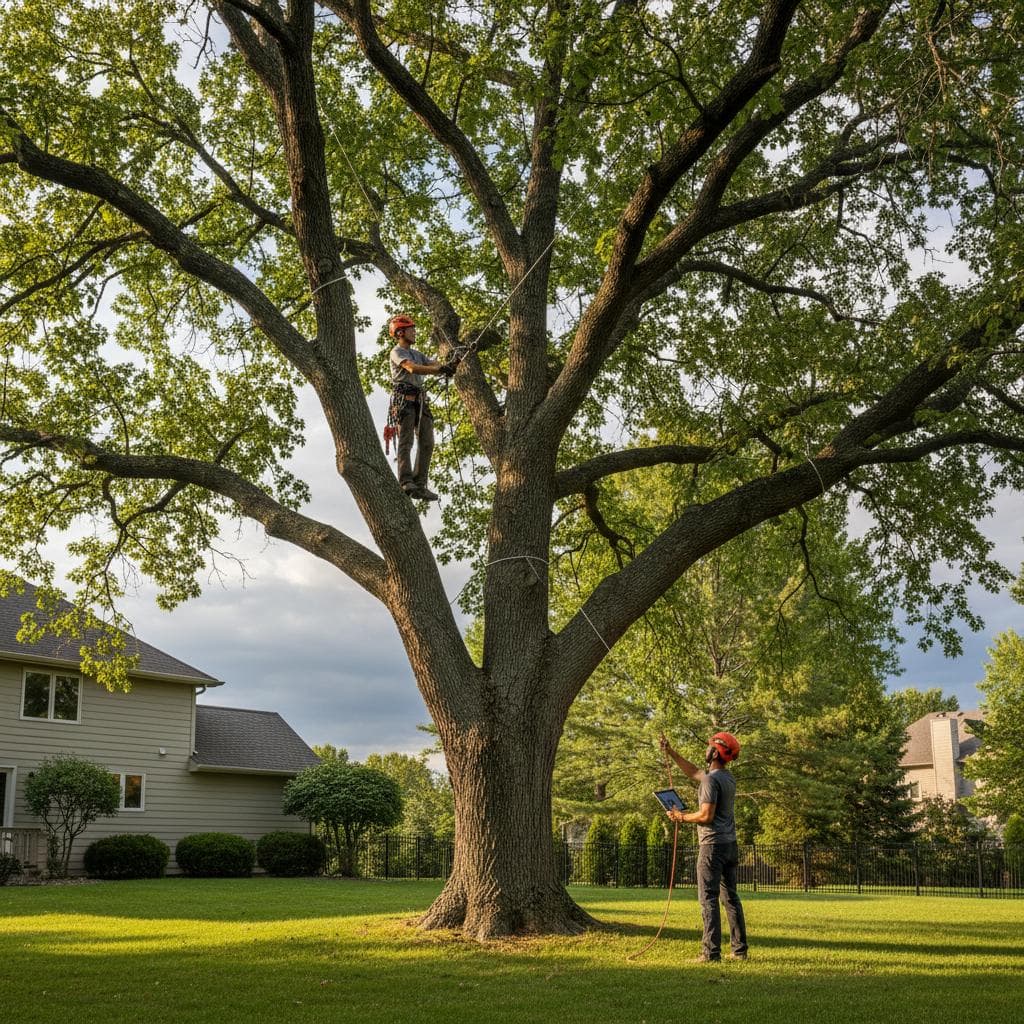
Homeowners across the country contact arborists at unprecedented rates for tree cabling and bracing services. Demand for structural tree support has increased by nearly 300 percent, fueled by rising storm intensity and heightened awareness of mature trees' vulnerability to high winds. Tree cabling stands out as one of the most reliable methods to avert storm damage and safeguard valuable trees that face risks of breakage or collapse.
Tree cabling entails the installation of high-strength steel cables or synthetic support lines between major limbs. These supports lessen stress and reinforce weak points. Although cabling cannot halt storms, it often determines whether a tree endures or succumbs.
Homeowners recognize that proactive measures for tree stability prove safer and more economical than post-storm removals or repairs.
Why Tree Cabling Demand Has Skyrocketed
Three primary factors drive the sharp rise in tree cabling requests: greater public awareness, more severe storms, and escalating property values. Homeowners witness neighbors suffer losses from large trees toppled in recent weather events and seek to prevent such outcomes. Mature shade trees enhance property appeal substantially, and cabling expenses typically fall well below those for tree replacement or storm remediation.
Insurance providers now scrutinize preventive maintenance more closely. Certain companies inquire about professional inspections or upkeep schedules for substantial trees positioned near residences or buildings. This scrutiny prompts property owners to adopt structural supports ahead of potential issues.
Understanding Structural Tree Support
Tree cabling forms a key element of structural tree support, which encompasses cabling and bracing techniques. Cabling occurs in the upper canopy, linking limbs susceptible to separation under duress. Bracing utilizes threaded rods inserted through compromised or divided trunks to maintain integrity.
A certified arborist evaluates the optimal approach according to the tree's architecture, maturity, and variety. Species such as large oaks, maples, and elms, characterized by expansive canopies or substantial lateral branches, frequently benefit from cabling. Trees featuring multiple trunks, or co-dominant stems, exhibit heightened failure risks absent supplementary reinforcement.
Key Factors That Influence Tree Cabling Cost
Tree cabling expenses generally span $250 to $1,000 per tree, shaped by multiple variables:
- Tree size and height: Substantial trees demand intricate rigging and frequently multiple cables.
- Accessibility: Proximity to structures or utility lines extends safe access times.
- Number of cables: Balanced reinforcement may necessitate two or three cables.
- Tree condition: Instances of decay, weakness, or prior injury complicate precise placement.
- Material selection: Steel cables offer enduring strength, whereas synthetics provide adjustability and reduced weight.
Arborists typically incorporate initial assessments, supplies, and setup within quoted rates. Experts advise yearly evaluations to verify ongoing efficacy and security.
The Tree Cabling Process: Step-by-Step
Professional tree cabling demands accuracy and dedicated equipment, far beyond basic efforts. Experts follow these steps:
- Assessment: Arborists examine the tree for vulnerabilities, including decay or fissures.
- Planning: They identify target limbs and optimal cable elevations.
- Drilling and hardware installation: Precise, minimal holes accommodate eye bolts or lag hooks.
- Cable attachment: Lengths receive tailored tension and fastening between limbs.
- Final inspection: Tension and equilibrium undergo verification to permit natural sway in breezes.
Post-installation, systems warrant annual reviews or checks following significant weather occurrences. Effective maintenance extends functionality for years and averts severe disruptions.
DIY vs. Hiring a Professional
The allure of self-installation exists, yet tree cabling poses substantial hazards without expertise. Elevated work involving robust tools and cables risks injury. Improper execution may exacerbate issues, such as constricting growth or disrupting canopy balance.
Professionals ensure compliance with safety protocols and tree physiology principles.
How to Choose a Qualified Tree Specialist
Select specialists who demonstrate:
- Certification from established arboricultural bodies.
- Comprehensive insurance coverage for liability and employee protection.
- Proven track record in structural support applications.
- Detailed proposals with transparent service rationales.
- Structured follow-up protocols for inspections.
These qualities guarantee reliable outcomes and minimize liabilities.
FAQ: Homeowner Questions About Tree Cabling
How long do tree cables last?
Steel variants endure ten to fifteen years or longer under diligent care. Synthetic alternatives require renewal within eight to twelve years. Consistent evaluations prolong service life.
Does cabling harm the tree?
Correct application inflicts no lasting injury. Minimal perforations facilitate natural recovery. Skilled arborists preserve vital tissues during procedures.
Can tree cabling prevent all storm damage?
Cabling mitigates failure probabilities yet offers no absolute safeguard. Intense tempests may still inflict harm, but supported trees demonstrate superior resilience.
When should I have my tree inspected for cabling needs?
Examine prominent trees biennially, particularly those displaying instability or multi-stem configurations. Post-storm assessments confirm support integrity.
Is cabling worth the investment?
Affirmative. Averting splits or collapses spares extensive repair costs. It sustains mature specimens that deliver enduring shade, aesthetics, and ecological advantages.
Steps to Secure Your Landscape Against Upcoming Storms
Evaluate mature trees promptly with a certified arborist to identify cabling opportunities. Implement supports where needed to fortify against wind forces. Regular upkeep ensures long-term protection, preserving both property integrity and natural beauty.