
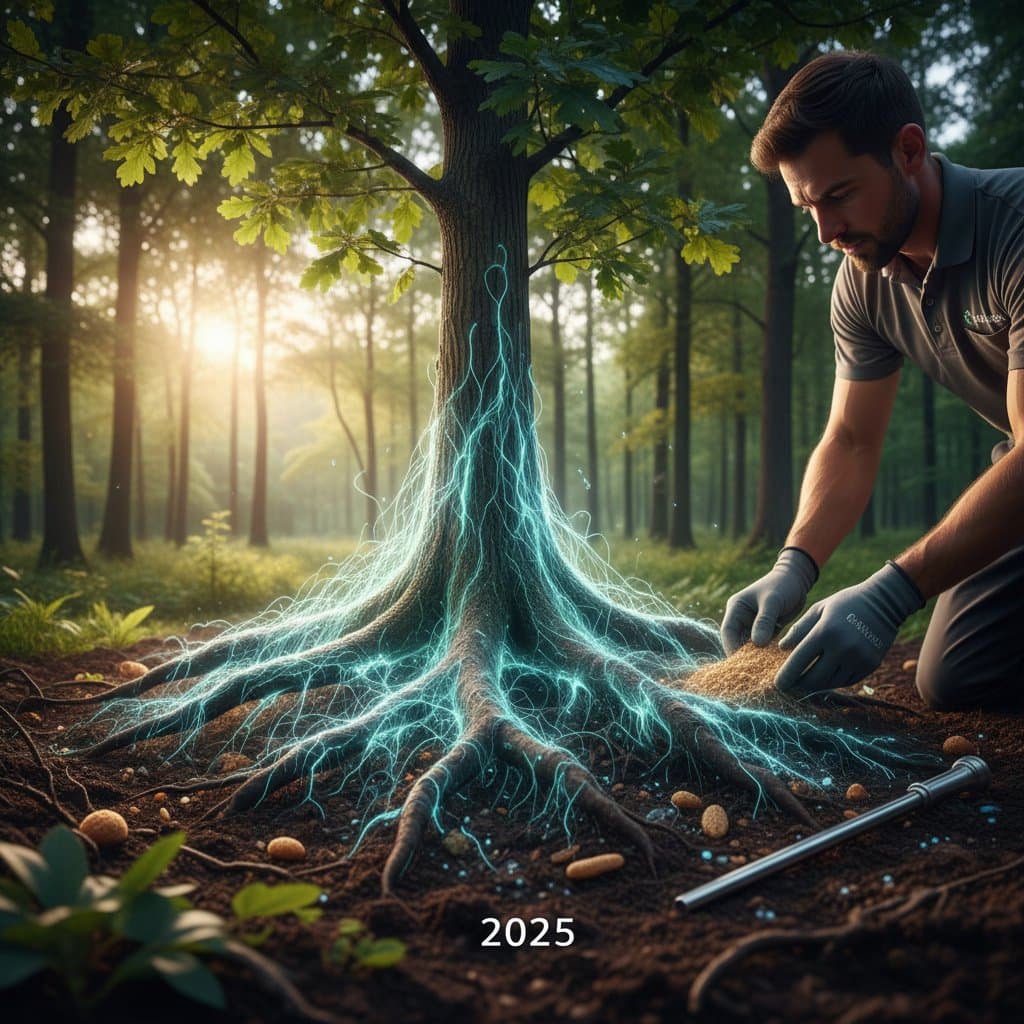
Mycorrhizal Fungi: Enhancing Tree Health by Up to 300 Percent in 2025
Trees require more than sunlight and water to flourish. An intricate underground network of beneficial fungi plays a crucial role in nutrient absorption, disease resistance, and adaptation to challenging soils. Mycorrhizal fungi serve as vital partners to tree roots, dramatically improving vitality when introduced correctly. This guide covers the nature of these fungi, their mechanisms, treatment expenses, and strategies for homeowners to foster stronger, more enduring trees.
Understanding Mycorrhizal Fungi
Mycorrhizal fungi consist of microscopic organisms that establish a symbiotic bond with tree roots. The term mycorrhiza translates to fungus root. These fungi integrate with root systems and extend extensively into the surrounding soil, forming an expansive network that expands the tree access to water and essential minerals. In exchange, the fungi obtain sugars and carbohydrates from the tree via photosynthesis. This collaboration optimizes root performance, refines soil composition, and aids trees in recovering from stressors such as drought, construction impacts, or illnesses.
Typical Costs for Mycorrhizal Treatments
Treating a single tree with mycorrhizal fungi generally costs between $150 and $600, influenced by factors like tree dimensions, health status, and site accessibility. For comprehensive soil biology restoration across multiple trees or expansive landscapes, expenses range from $800 to $2,500.
| Tree Size | Cost Range |
|---|---|
| Small (under 20 ft) | $150 - $250 |
| Medium (20-40 ft) | $250 - $400 |
| Large (40-60 ft) | $400 - $600 |
| Extra-Large/Heritage | $600 - $1,000+ |
Certified arborists or soil experts administer these treatments by delivering fungal inoculants to the root zone through methods like liquid injections, soil drenches, or granular spreads.
Elements Influencing Mycorrhizal Treatment Expenses
Tree Dimensions
Bigger trees possess broader root networks, necessitating greater quantities of fungal inoculant and preparatory soil work. Specialists dedicate additional time to address the entire root area, which elevates labor expenses.
Tree Health Status
Vigorous trees might require only one inoculation session, whereas compromised or afflicted trees demand repeated applications alongside soil enhancements like organic compost or biochar. Soils that are densely packed or deficient in nutrients extend the duration and expense of interventions.
Tree Variety
Certain species, including oaks, pines, and birches, develop robust connections with specific mycorrhizal types. Maples or fruit trees, however, benefit from tailored fungal mixtures. Selecting species-appropriate solutions affects material costs and required expertise.
Soil Composition and Site Access
Compacted or disrupted soils hinder fungal viability. Experts may aerate the ground prior to application. Trees in confined areas or close to infrastructure necessitate advanced tools and meticulous work, increasing fees.
Environmental Conditions and Timing
Fungi establish best in cool, damp settings. Professionals prefer scheduling during balanced weather with steady soil temperatures. Such timing impacts efficacy and rates due to varying demand levels.
Need for Prompt Action
Urgent interventions following events like construction harm, dry spells, or outbreaks incur higher charges owing to rushed timelines or supplementary soil analyses.
Steps in the Mycorrhizal Treatment Procedure
-
Preliminary Soil Evaluation
A qualified arborist assesses root integrity, soil makeup, and nutrient profiles. Laboratory analysis may follow to pinpoint shortages or harmful agents. -
Tailored Strategy Development
Drawing from test outcomes and tree type, the expert chooses suitable fungal varieties and delivery techniques for optimal integration. -
Ground Preparation
Dense soil receives aeration, mulch clears from the root base, and watering routines adjust to support fungal proliferation. -
Fungal Introduction
Inoculants apply via soil probes, liquid soaks, or granule distributions directly in the vital root region to initiate bonding. -
Aftercare Measures
Thorough watering disperses the fungi effectively. Recommendations include organic mulching or compost infusions to nurture ongoing microbial activity and soil vitality. -
Ongoing Observation
Follow-up visits occur months later to gauge advancement. Signs of success encompass brighter foliage, fresh growth, and reinforced roots.
Choosing Between DIY and Professional Mycorrhizal Applications
Scenarios for Self-Application
Individuals can introduce mycorrhizal fungi to young trees or landscape plants using commercial soil additives. These prove straightforward to blend and deploy at planting or during irrigation cycles. Self-application suits modest endeavors absent evident tree distress.
Reasons to Engage Experts
Mature or ailing trees warrant attention from ISA-certified arborists or soil scientists. Such professionals employ assessment devices to evaluate compaction and nutrient equilibrium, guaranteeing ideal fungal conditions. They utilize high-potency inoculants with viable spores, demanding precise management.
| Circumstance | Recommended Method |
|---|---|
| Installing young saplings | DIY using store-bought products |
| Restoring established trees | Expert intervention |
| Trees impacted by development | Professional remediation |
| Standard soil upkeep | DIY or expert as needed |
Selecting a Service Provider for Mycorrhizal Services
-
Confirm Qualifications
Seek ISA certification, relevant licenses, and insurance to verify competence and safeguard against risks. -
Inquire on Testing Protocols
Dependable firms conduct pre-treatment soil exams to match fungi with local conditions. -
Seek Inoculant Specifications
Request details on included fungal strains. Blends with variety often yield superior outcomes over singular types.
Common Inquiries
What is the expense for inoculating a 50-foot oak with mycorrhizal fungi?
Professional services for a 50-foot oak range from $400 to $700, varying with soil quality and access. Oaks thrive with ectomycorrhizal fungi, rendering this a sound investment for enduring benefits.
Should mycorrhizal fungi apply at planting or subsequently?
Integration proves most effective at planting, yet post-establishment applications revitalize adult trees. Maintain moist, loosened soil to facilitate rapid root attachment.
Do mycorrhizal fungi substitute for fertilizers?
They amplify nutrient acquisition without supplying them directly. Combine with organic feeds and consistent hydration for comprehensive soil balance.
How enduring are mycorrhizal fungi in soil?
Established networks endure for years, bolstering trees provided soils avoid chemical overloads or excessive disturbance.
Which trees gain from mycorrhizal fungi?
The majority benefit, though select ornamentals form lesser bonds. Arborist consultation ensures ideal pairings per species.
Strategies for Sustained Tree Vitality
To preserve mycorrhizal advantages, apply organic mulches annually and minimize synthetic inputs. Regular inspections detect early stress, allowing timely adjustments. Integrate companion planting with nitrogen-fixers to enrich the microbial ecosystem. These practices secure trees against environmental shifts, promoting longevity and landscape stability.