
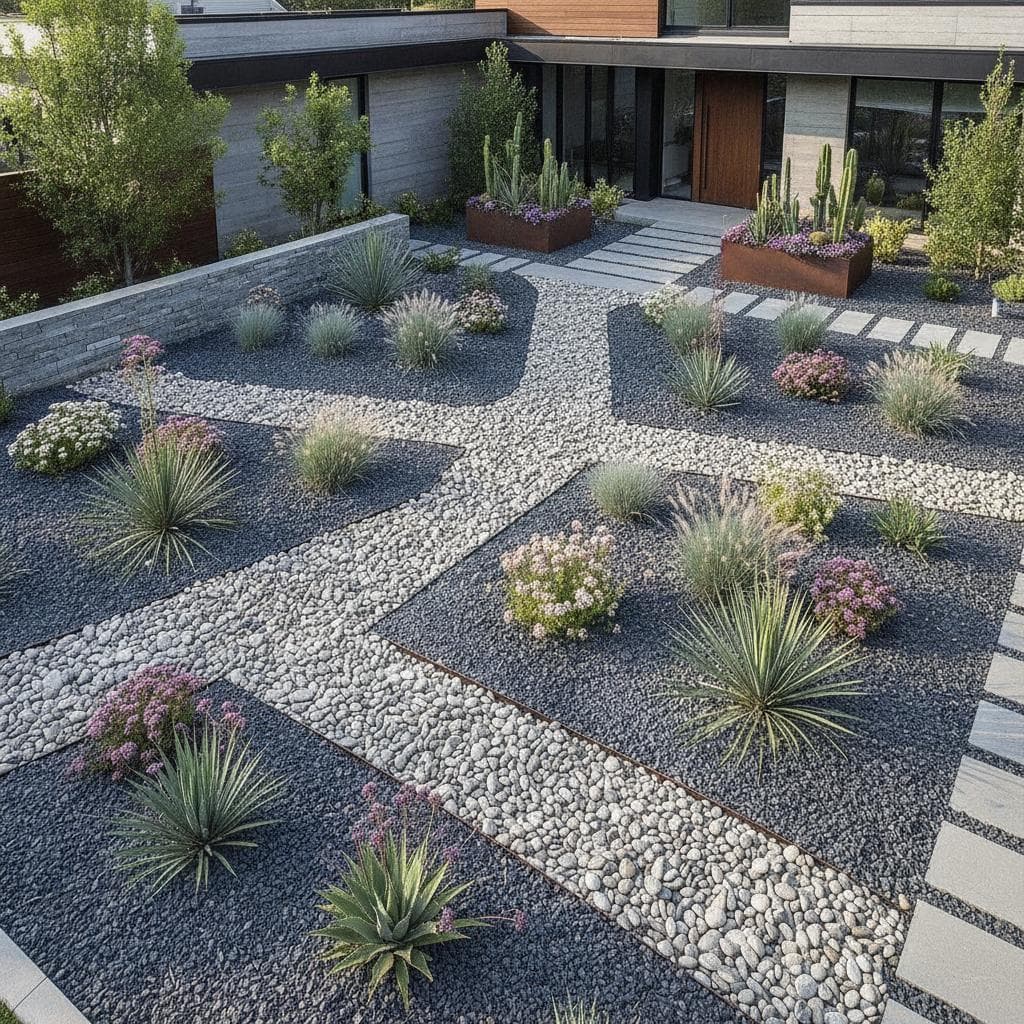
Gravel Gardens: A Water-Saving Alternative to Mulch
Homeowners across the country are rethinking traditional landscaping choices. Gravel gardens are emerging as a leading alternative to mulch. With growing concern about water conservation and long-term maintenance, many property owners are replacing moisture-hungry plant beds with gravel-based designs. These designs save water, reduce upkeep, and still look beautiful. This guide explains what gravel gardens are, how they compare to mulch, and how to create one that thrives in your climate.
Gravel Garden Cost
National Average Cost
On average, installing a gravel garden costs between moderate and premium landscaping levels. The final price depends on materials and design complexity. Small projects can be completed for a few hundred dollars. Large, professionally designed gravel gardens can reach several thousand dollars. The cost largely depends on existing soil conditions, gravel type, and plant selection.
Cost by Project Size or Type
- Small garden beds (under 100 square feet): Typically the most affordable. These often use simple pea or crushed gravel.
- Medium gardens (100 to 300 square feet): Moderate cost due to more gravel volume and plant variety.
- Large or full-yard conversions: The most expensive option. They provide the greatest water savings and reduce future maintenance costs.
Key Cost Factors
- Gravel type: Pea gravel, crushed granite, or river rock each varies in price and appearance.
- Labor: Professional installation increases cost but ensures proper drainage and layout.
- Edging and borders: Metal, stone, or concrete edging adds structure but raises expenses.
- Weed barrier: High-quality landscape fabric reduces maintenance but adds upfront cost.
- Plant selection: Drought-tolerant species may cost more initially but lower long-term water use.
Types of Gravel for Gardens
Choosing the right gravel determines how well your garden performs and how it looks over time. Each type offers unique benefits and trade-offs.
Pea Gravel
Pea gravel features small, rounded stones that are easy to walk on and provide a soft, natural appearance.
Pros:
- Smooth underfoot and ideal for pathways
- Excellent drainage
- Affordable and widely available
Cons:
- Can shift under heavy rain or foot traffic
- May require edging to stay contained
Crushed Granite
Crushed granite has a textured, angular look that locks together well, preventing movement.
Pros:
- Stable and compact
- Offers a modern, polished look
- Excellent for sloped areas
Cons:
- Can be dusty in dry climates
- Harder to reposition once compacted
River Rock
River rock features smooth, larger stones that create a striking visual texture.
Pros:
- Highly durable and long-lasting
- Excellent drainage
- Works well for decorative borders
Cons:
- Expensive compared to smaller gravel types
- Heavy and difficult to move once installed
Decomposed Granite
This fine, sandy gravel type creates a soft, natural surface ideal for walkways or planting areas.
Pros:
- Easy to grade and shape
- Encourages slow water infiltration
- Natural earthy color fits most landscapes
Cons:
- May erode in heavy rain
- Needs periodic replenishing
DIY vs. Hiring a Professional
Installing a gravel garden can be a manageable project for handy homeowners. Professional expertise often leads to longer-lasting results.
DIY Advantages:
- Lower upfront cost
- Full creative control
- Flexible scheduling
DIY Challenges:
- Requires knowledge of grading, drainage, and soil preparation
- Mistakes like poor compaction or inadequate weed barriers can lead to long-term issues
- Physically demanding work involves hauling heavy materials
Hiring a Professional:
A professional landscaper ensures proper soil preparation, drainage design, and plant placement. They can recommend the right gravel type for your soil and suggest native plants that thrive with minimal water. For large or sloped properties, professional help is strongly recommended to prevent erosion and ensure even coverage.
How to Create a Gravel Garden
Building a gravel garden is about preparation and thoughtful layering. Follow these steps for a durable, attractive result.
- Plan and Design: Sketch your layout, noting sunny and shaded areas. Choose drought-tolerant plants that match your climate and decide on the gravel type and color.
- Prepare the Site: Remove existing mulch, weeds, and debris. Level the ground and ensure proper drainage by grading the surface slightly away from structures.
- Install a Weed Barrier: Lay down high-quality landscape fabric to prevent weed growth while allowing water to pass through. Secure it with garden staples.
- Add Edging: Use metal, stone, or wood edging to keep gravel contained and define garden boundaries.
- Spread the Gravel Layer: Pour gravel to a depth of about two to three inches. Rake evenly across the surface. For larger stones, ensure even distribution to prevent bare patches.
- Plant Drought-Tolerant Species: Cut holes in the fabric where plants will go. Choose succulents, ornamental grasses, lavender, or other native species suited to dry conditions.
- Water to Settle the Gravel: Lightly water the area to help gravel settle and plants establish initial roots.
Tips for Gravel Garden Success
- Choose native plants that thrive in local soil and rainfall patterns.
- Inspect drainage before installation to prevent pooling or erosion.
- Use varied textures by mixing gravel sizes and plant shapes for visual interest.
- Replenish gravel every few years to maintain coverage and color.
- Control weeds early by hand-pulling any that appear before they spread.
Frequently Asked Questions
Does a gravel garden need much maintenance?
Gravel gardens require very little maintenance compared to mulch or turf. Regular upkeep includes occasional weeding, raking displaced stones, and topping up gravel every few years to maintain appearance.
Can gravel gardens support pollinator-friendly plants?
Yes. Many pollinator plants thrive in gravel gardens. Species like lavender, salvia, and yarrow attract bees and butterflies while tolerating dry soil and minimal watering.
Will gravel overheat plants in hot climates?
In very hot regions, light-colored gravel helps reflect sunlight and keep soil cooler. Choosing the right color and providing strategic shade ensures plants remain healthy.
How do gravel gardens compare to mulch for water savings?
Gravel does not absorb water like mulch. It allows moisture to reach plant roots more efficiently and reduces evaporation. Over time, this can cut irrigation needs significantly.
Can I use existing mulch beds for a gravel garden?
Yes, but the mulch must be fully removed. Any remaining decomposed mulch can interfere with drainage and encourage weeds. Clear the area thoroughly before adding gravel.
Do I need a liner under gravel?
A liner or weed barrier is strongly recommended. It prevents weed growth, stabilizes the gravel, and improves drainage, especially in heavy clay soil.
Begin Your Installation
Switching from mulch to gravel is a smart move for homeowners seeking a sustainable, low-maintenance landscape. Gravel gardens combine beauty with practicality. They offer texture, color, and long-term water conservation. Whether you start small or redesign your entire yard, planning carefully and choosing appropriate materials will ensure years of enjoyment.
Consult a local landscape professional familiar with drought-tolerant design. They can assess your soil, recommend native plants, and help you build a garden that thrives with minimal water. With the right approach, your new gravel garden will look stunning while saving water and effort for many seasons to come.