8 States Enforce Fire-Resistant Yards by 2025
By 2025, eight western states mandate fire-resistant yards to mitigate wildfire threats.
Loading...
By 2025, eight western states mandate fire-resistant yards to mitigate wildfire threats.
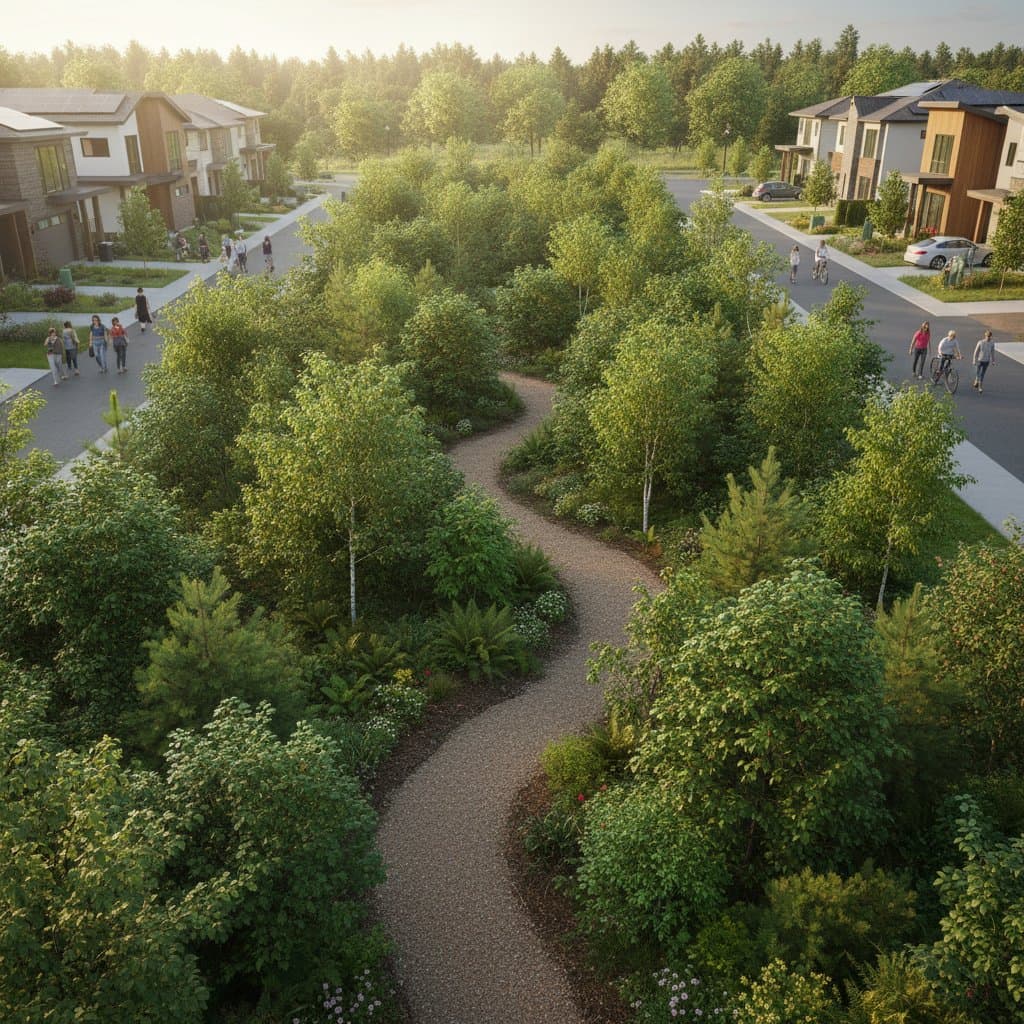
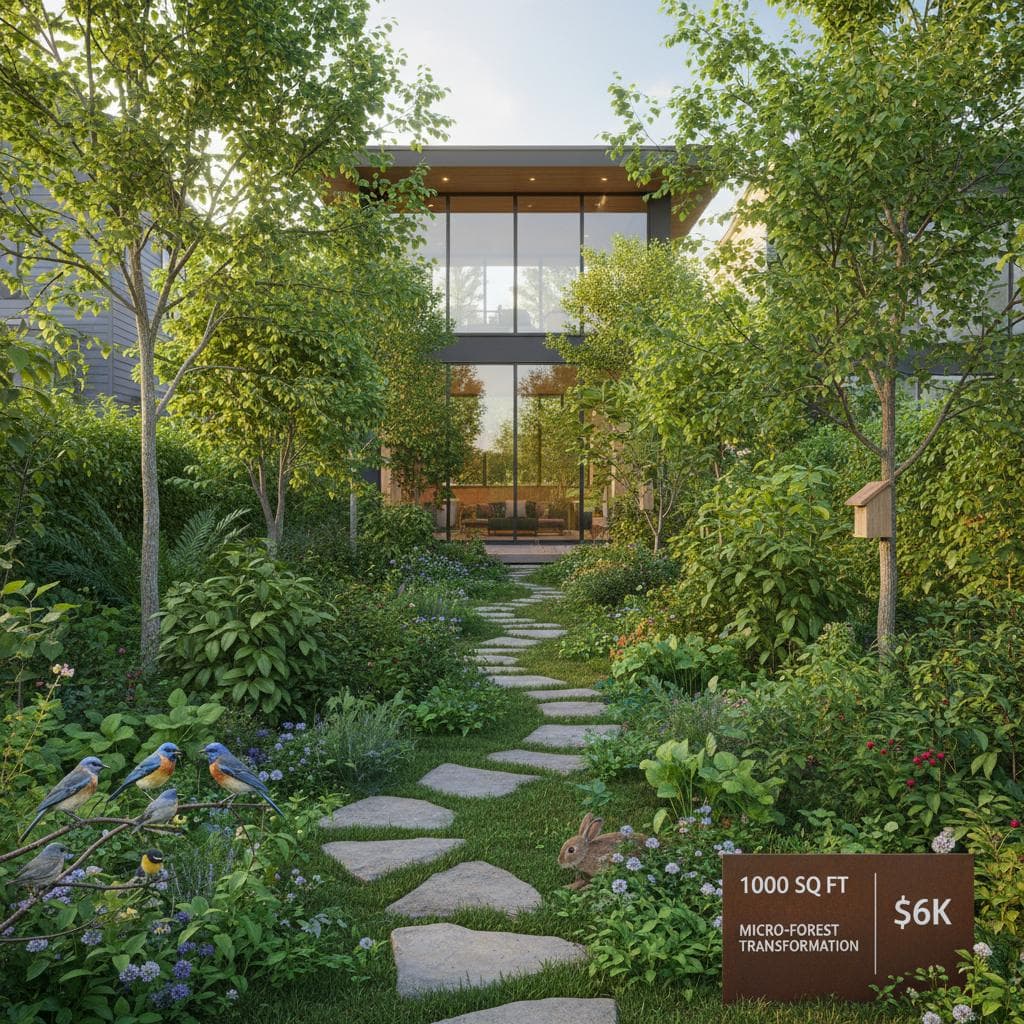
The Miyawaki Method enables the rapid creation of vibrant, native mini forests in backyards. This guide covers essential steps, from site assessment and soil preparation to dense planting and ongoing care, plus cost breakdowns and tips for DIY or hiring experts.
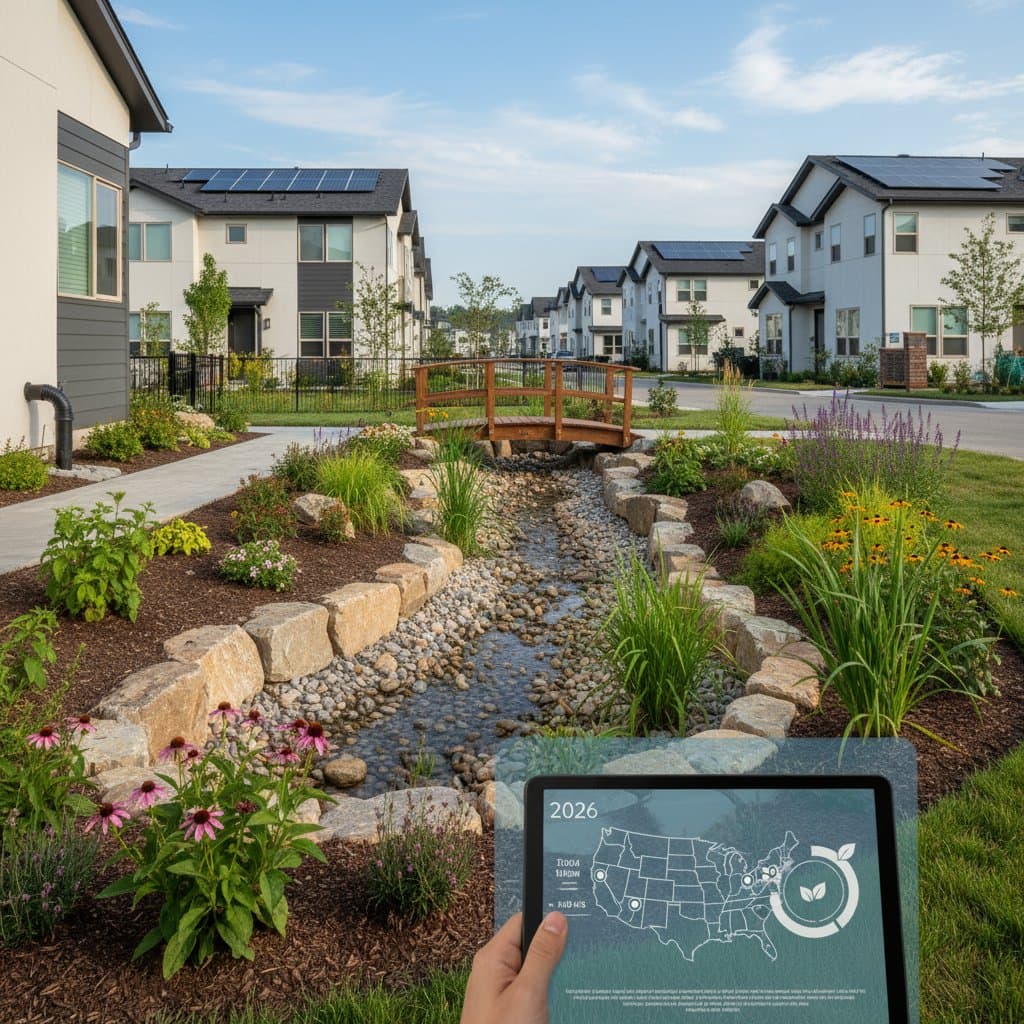
Eight forward-thinking states now mandate permeable pavers to tackle stormwater challenges, enabling rainwater infiltration that cuts flooding, purifies water, and bolsters groundwater reserves. These resilient surfaces deliver enduring value through lower maintenance, environmental protection, and adaptive drainage strategies for modern communities.
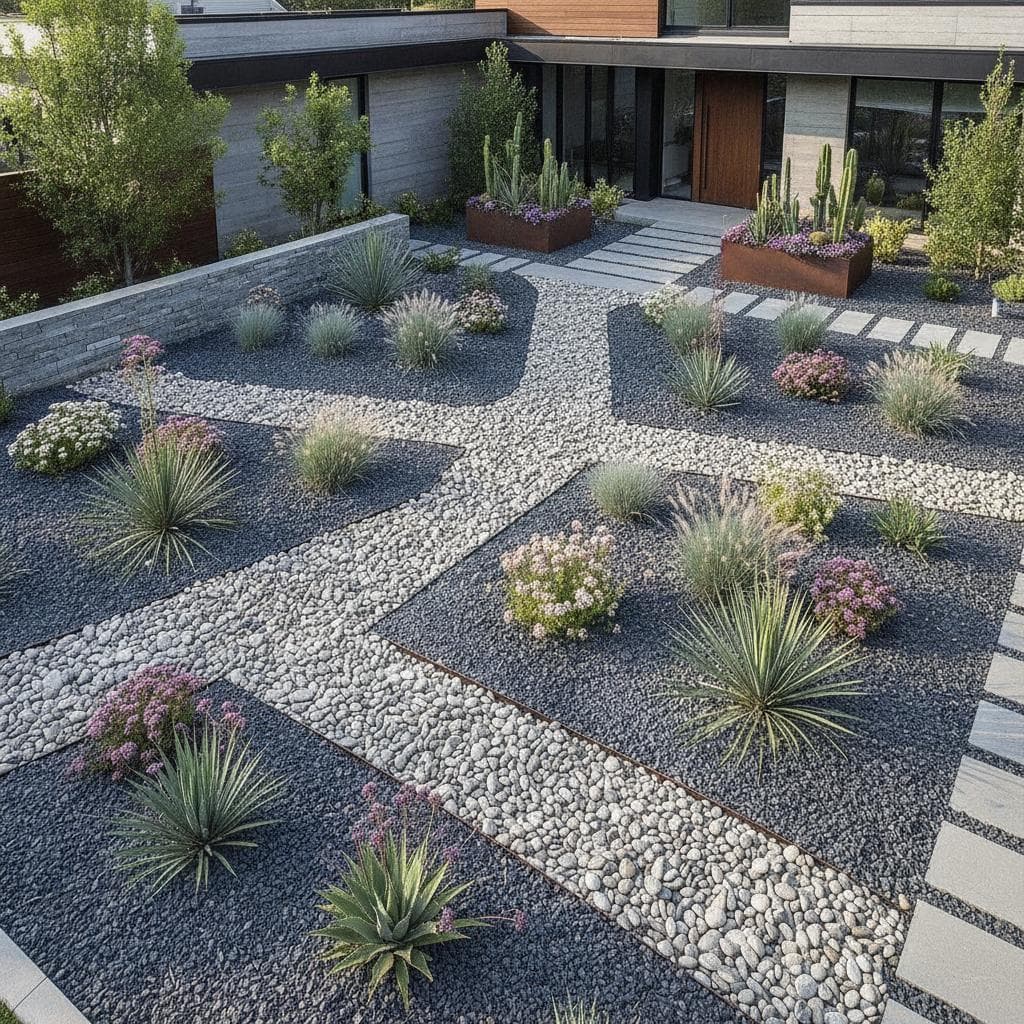
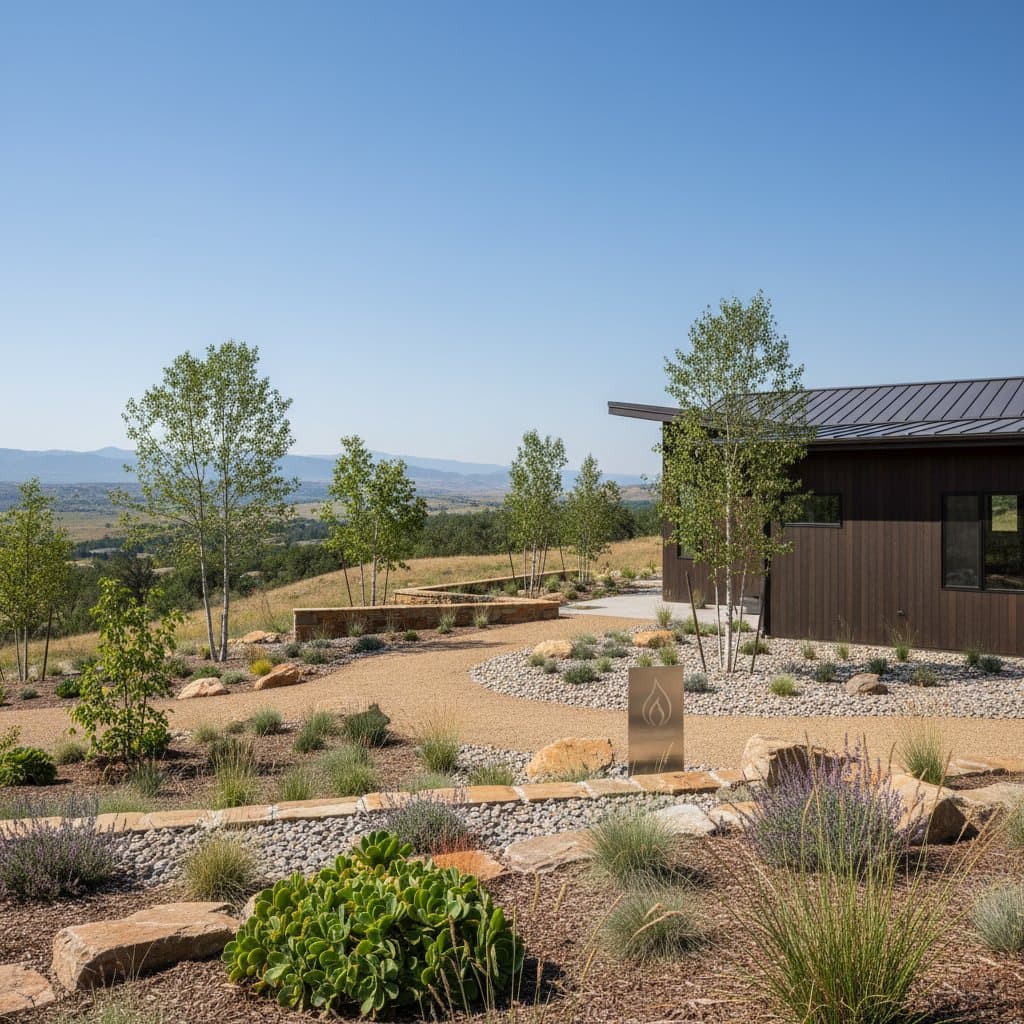
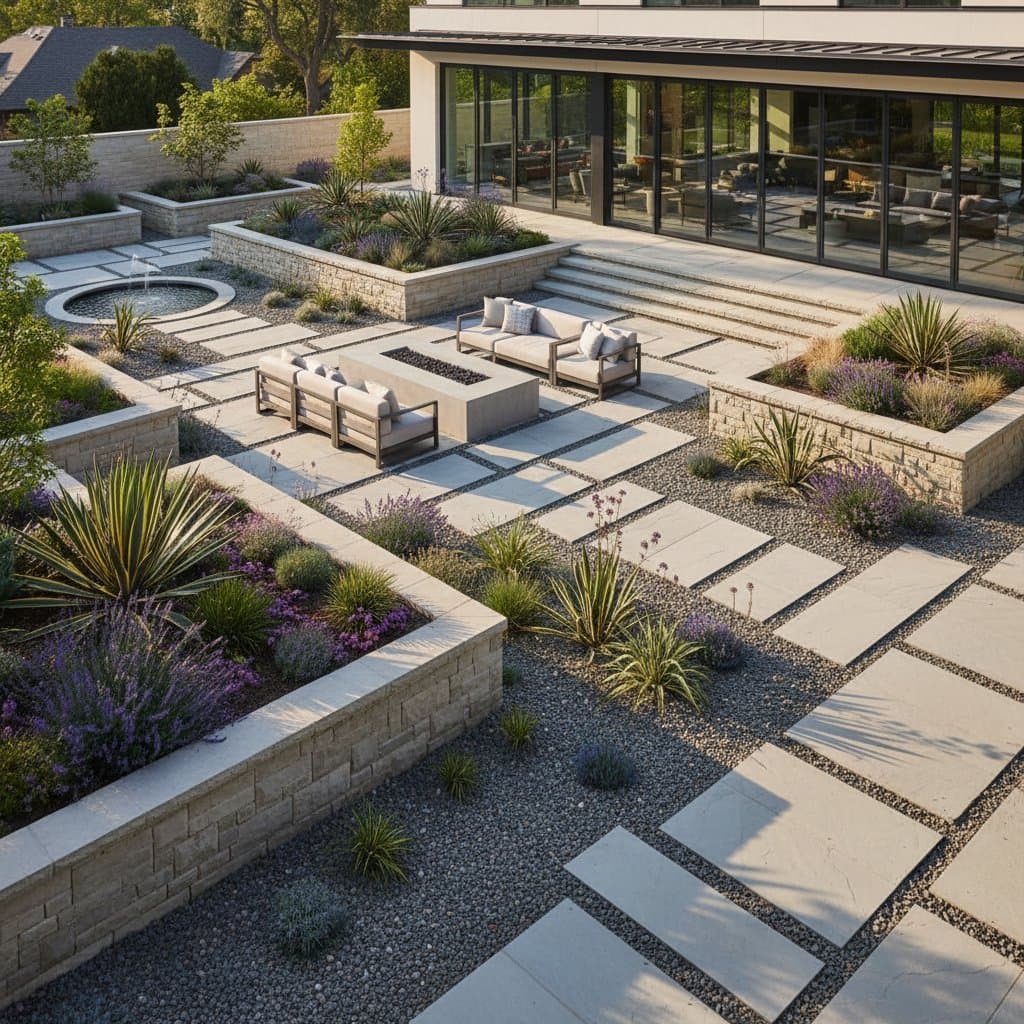
Mandates for fire-resistant landscaping now apply in eight states to counter escalating wildfire dangers. Property owners implement defensible zones with low-ignition plants and durable materials, at an average expense of $6,000. These initiatives bolster home security, neighborhood stability, and environmental health amid shifting fire policies.
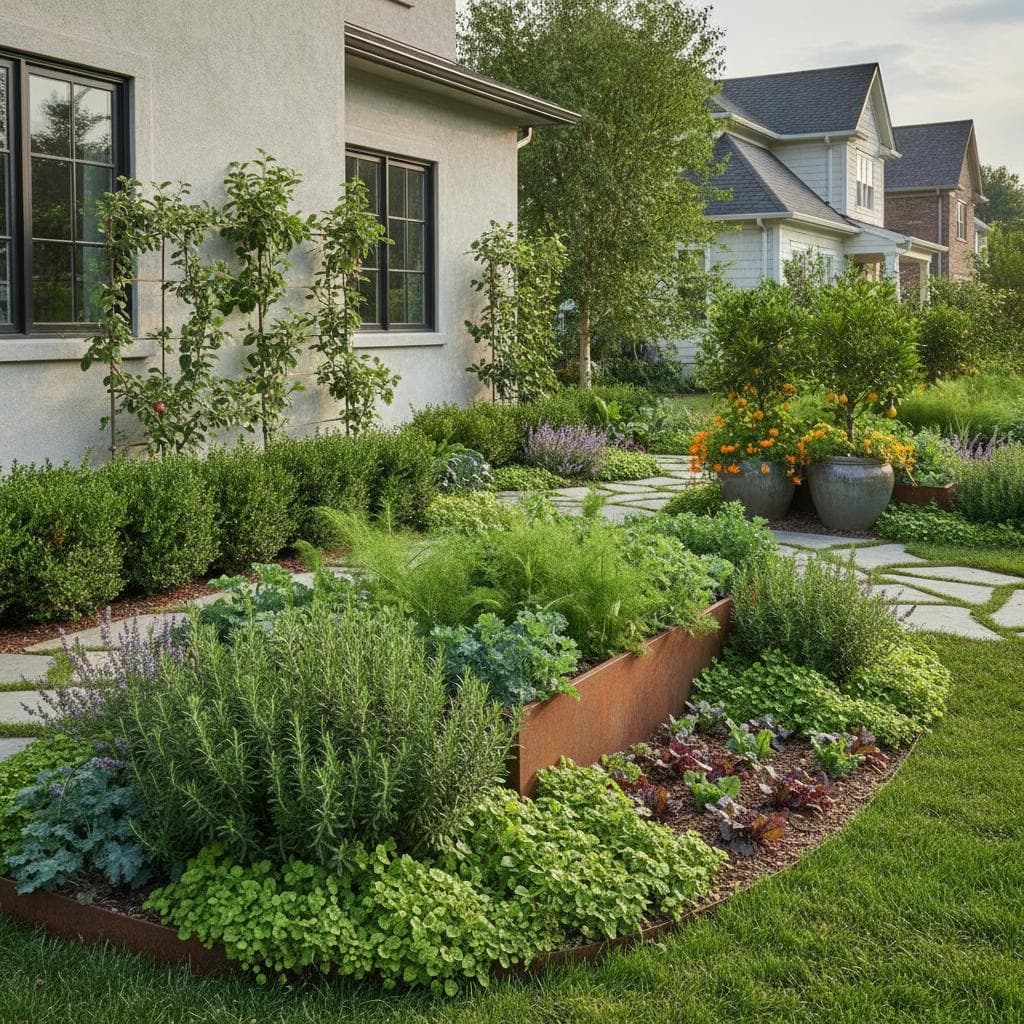
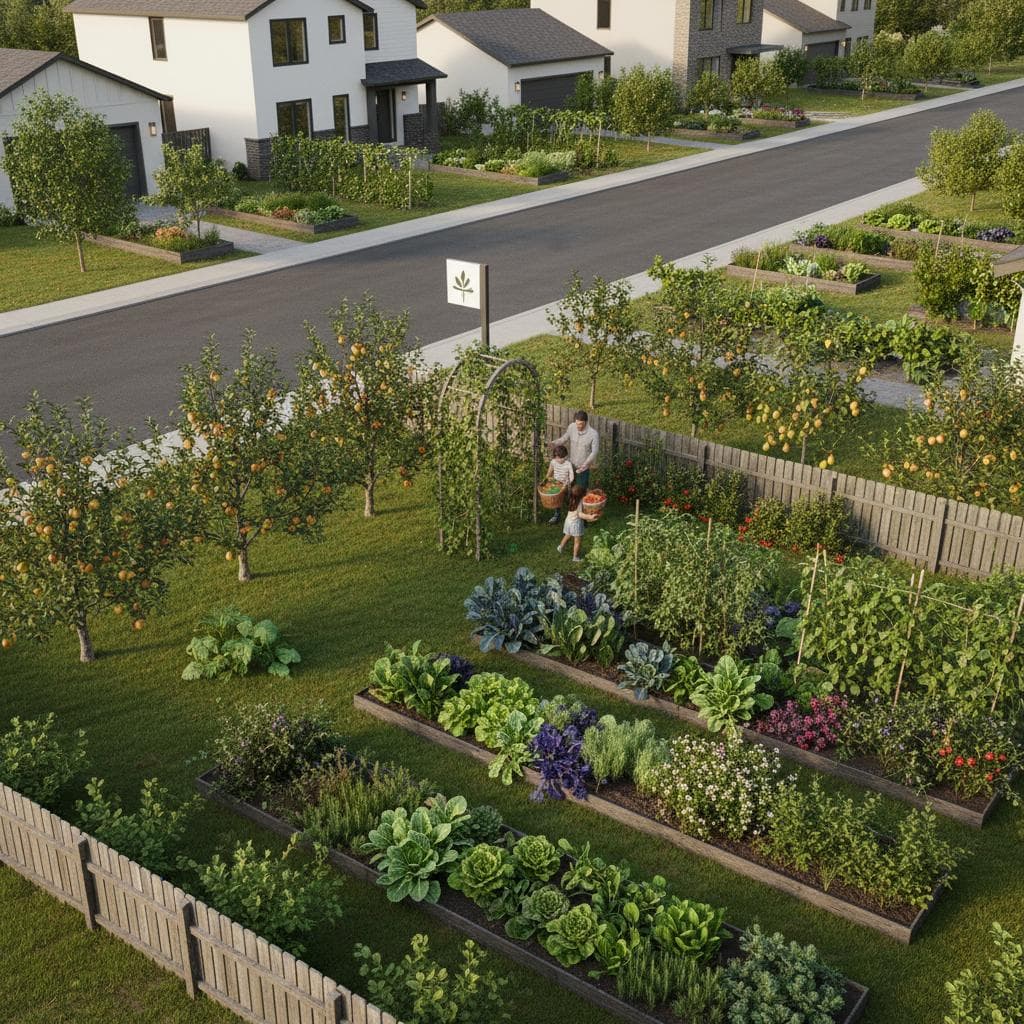
With HOA restrictions lifting across the country, edible landscapes have surged by 300 percent, turning traditional lawns into vibrant, food-producing spaces. Homeowners now integrate fruit trees, vegetable beds, and herb gardens to promote sustainability while enhancing property aesthetics. This guide details planning costs, design principles, and upkeep methods to develop compliant gardens that deliver both visual charm and fresh produce.
By 2025, eight states mandate fire-resistant yards in wildfire zones to enhance home safety. Explore defensible space strategies, plant choices, compliance costs averaging $6,500, and DIY or professional paths to a resilient landscape.
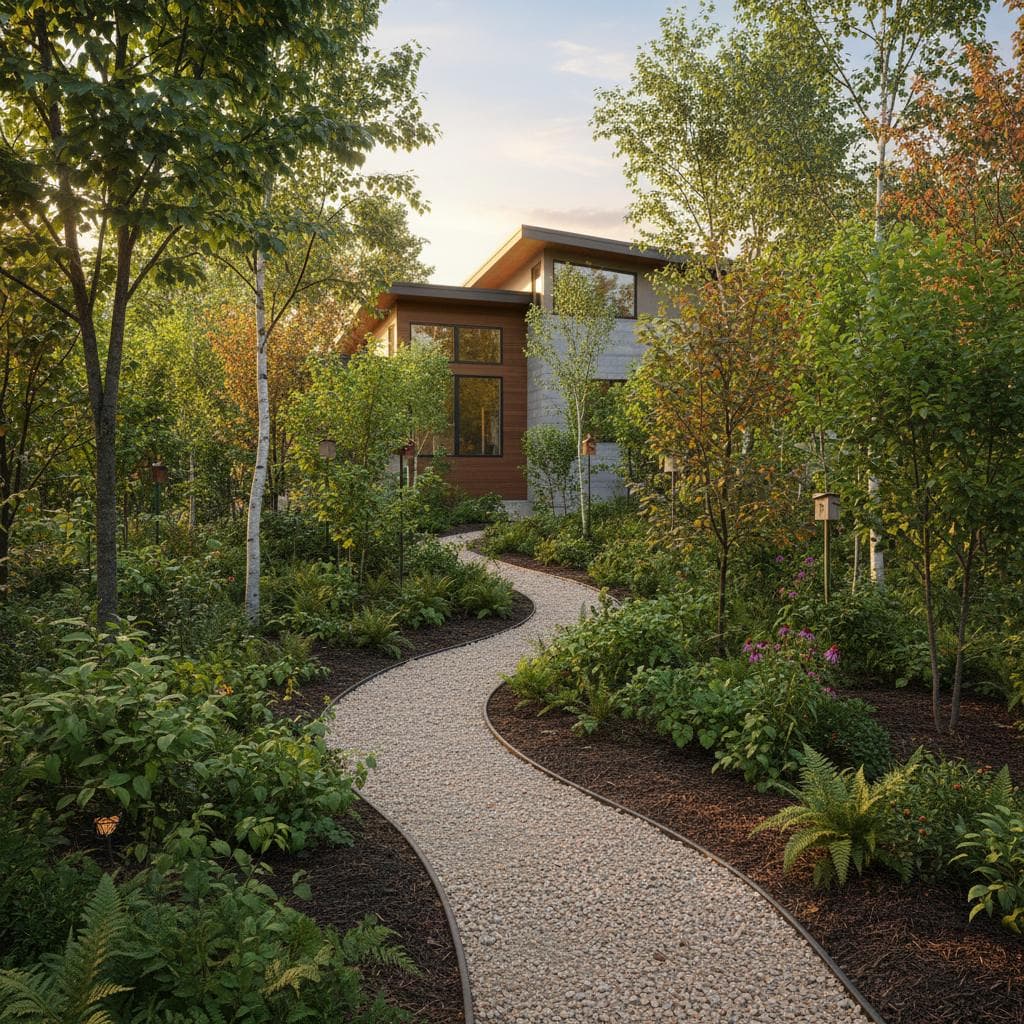
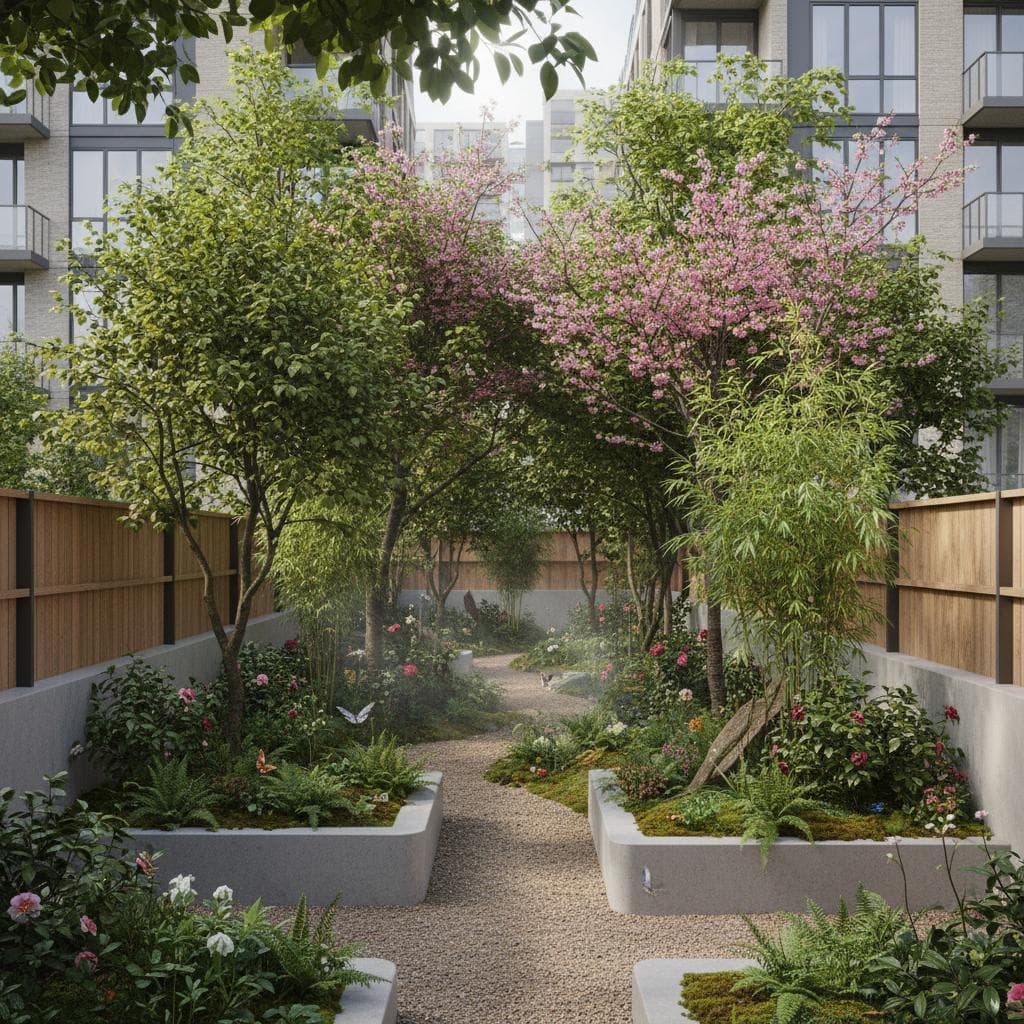
Suburban yards evolve in 2025 as homeowners swap lawns for micro-forests via the Miyawaki method. These dense plantings foster biodiversity, cut maintenance, and mature quickly. This guide details costs, designs, and practical steps to cultivate your own eco-friendly yard sanctuary.
Convert your yard into a productive food source and achieve up to $3,000 in yearly savings through edible landscaping. Swap decorative flora for fruit trees, herbs, and veggies to lower food and care costs, promote eco-friendliness, and elevate real estate appeal—explore designs that deliver enduring fiscal and planetary benefits.
Convert your yard into a self-reliant edible forest garden. This permaculture design layers fruit trees, herbs, and groundcovers for ongoing harvests, water savings, and ecological benefits, defining forward-thinking home landscapes in 2025.
HOA landscaping rules encourage inventive hidden edible gardens that weave fruits, vegetables, and herbs into decorative designs. These spaces promote sustainability and fresh food access while upholding community standards. Discover proven methods to grow discreetly and thrive.
HOA prohibitions on visible vegetable gardens have ignited edible landscaping, where homeowners craft elegant, food-bearing yards. This guide covers design ideas, cost breakdowns, installation steps, and approval tactics to blend sustainability with neighborhood appeal.
Eight states have enacted fire laws mandating defensible space around homes to combat wildfire risks.
Eight states, including California and New York, now mandate or incentivize permeable pavers to address stormwater runoff. These systems promote groundwater recharge and reduce flood risks in residential and commercial settings.
Eight states have implemented mandates for permeable pavers in stormwater management, promoting sustainable building practices. These surfaces minimize runoff, mitigate flooding risks, and safeguard water resources. Discover their mechanics, expenses, and reasons why property owners across the country adopt these durable, regulation-compliant systems.
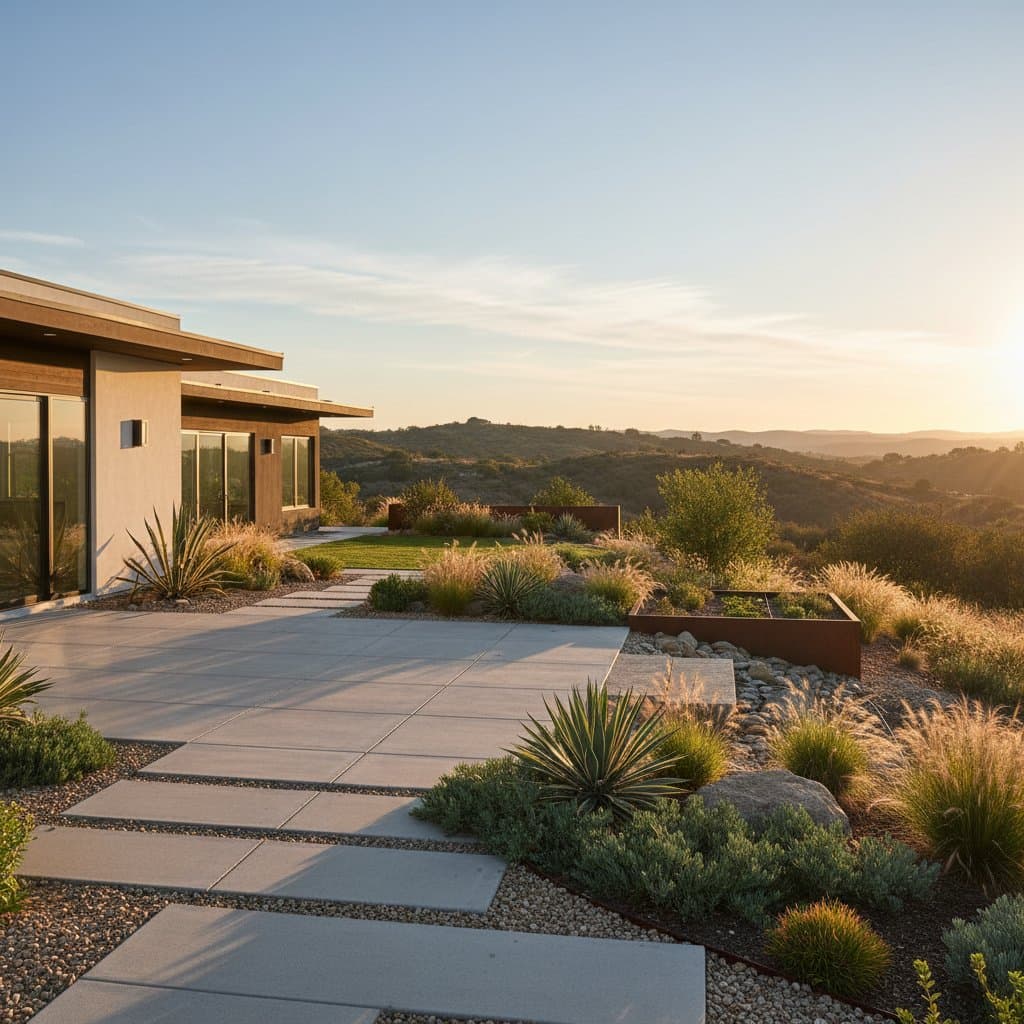
Transform your yard into a robust wildfire barrier. Explore fire-resistant landscaping techniques, including strategic plant selections, non-combustible materials, and efficient irrigation systems, to shield your home and elevate its market value. Gain insights into typical expenses, choices between DIY efforts and professional services, and essential maintenance practices for sustained protection and environmental harmony.
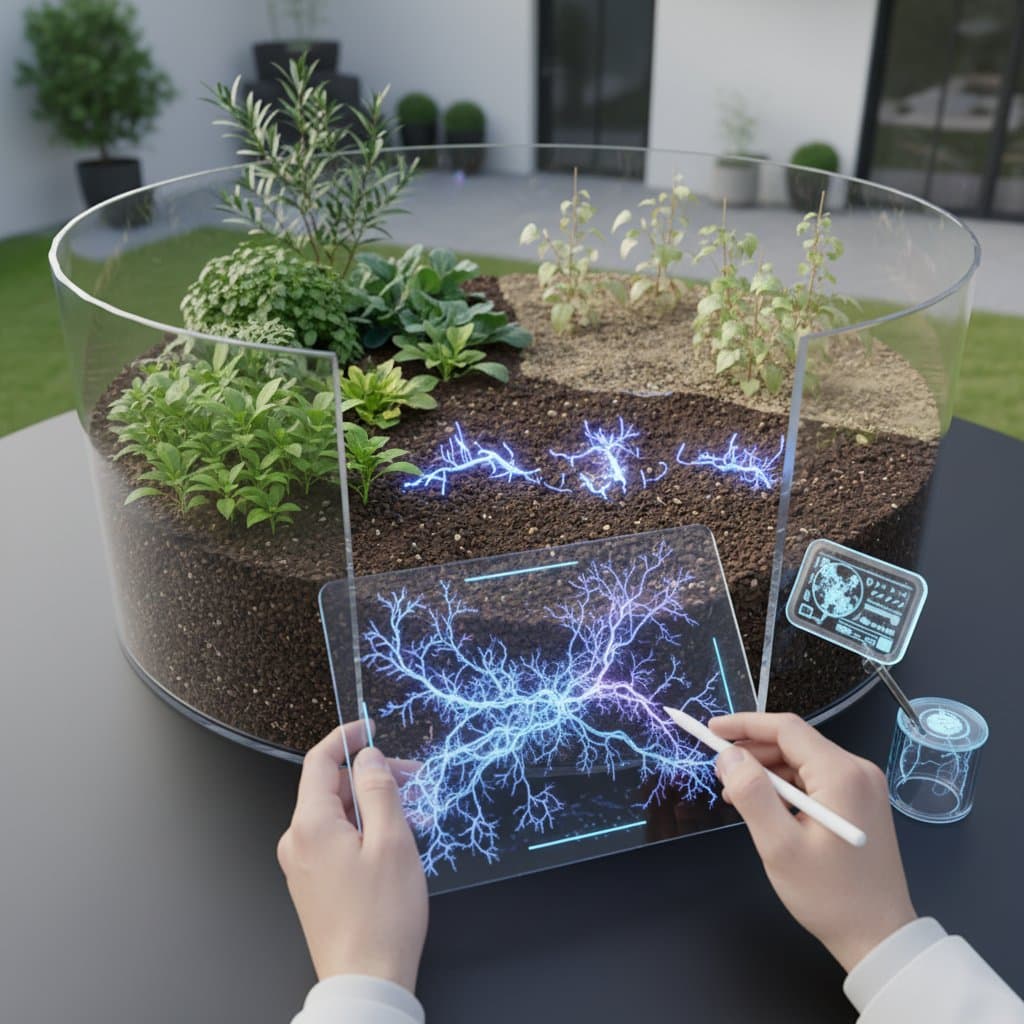
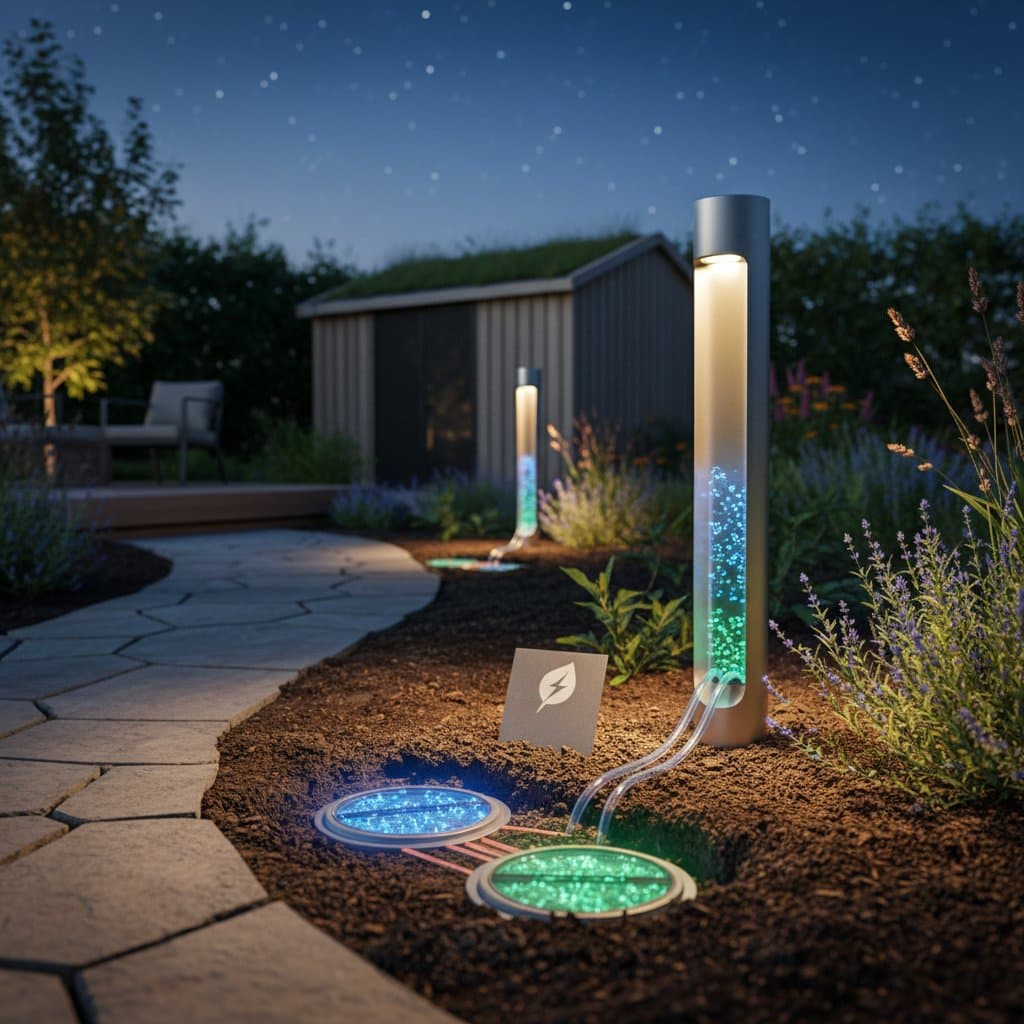
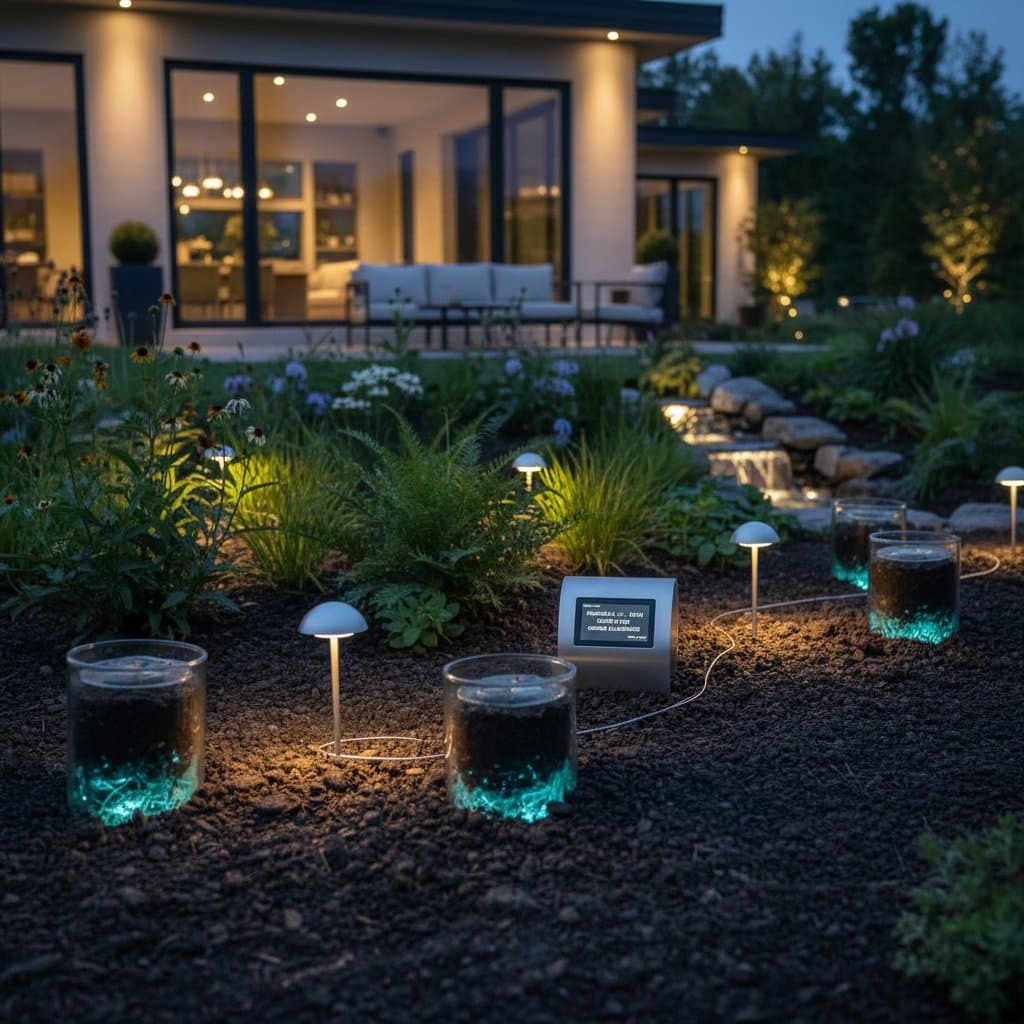
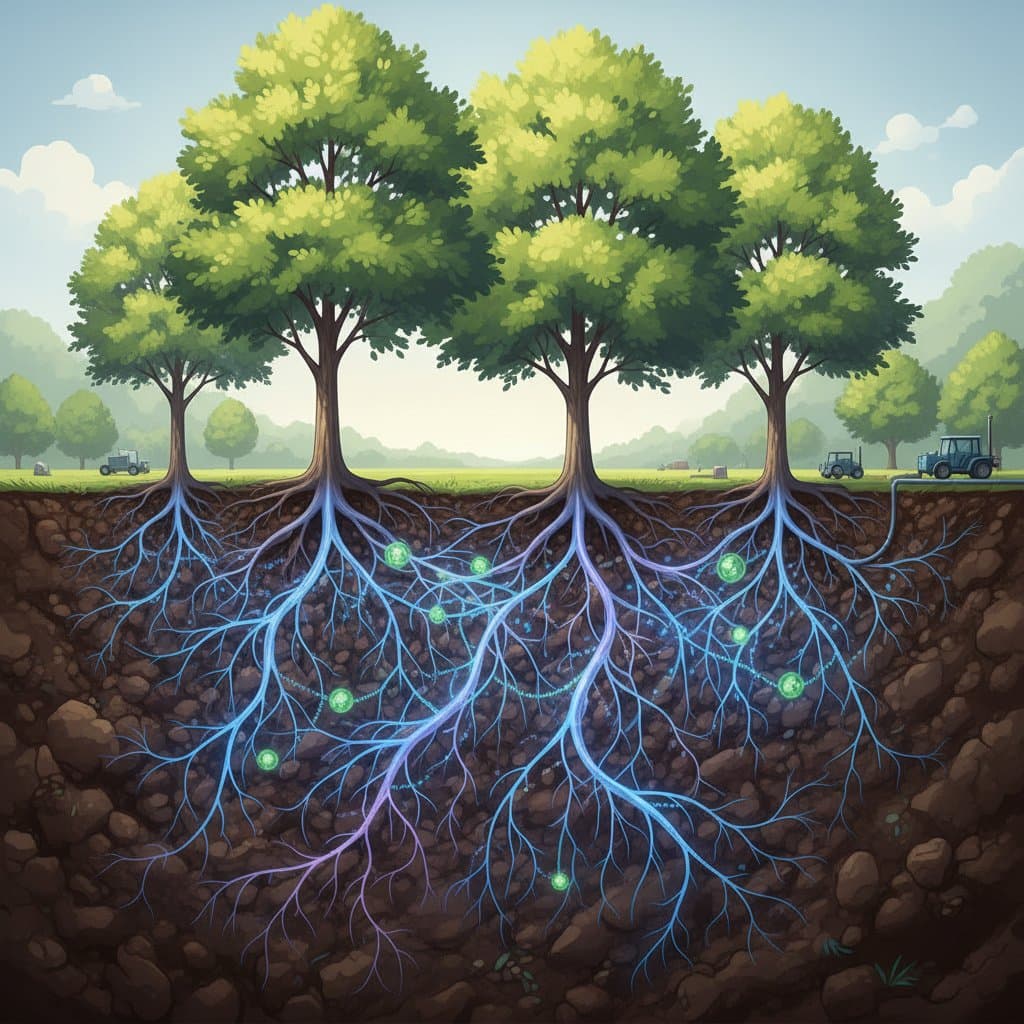
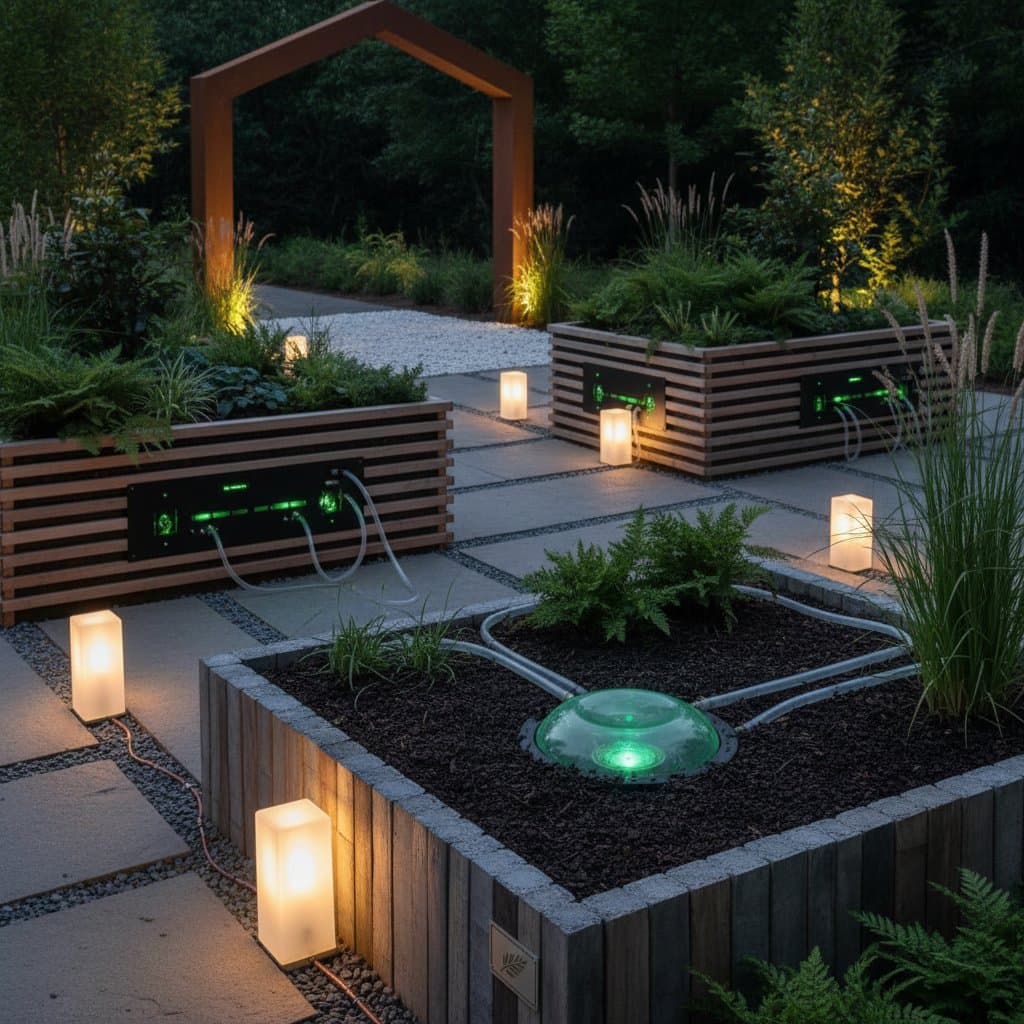
Soil battery technology revolutionizes landscape lighting by harnessing energy from the earth to create a renewable power source. This approach enables homeowners to light gardens and patios sustainably, with minimal upkeep and reliable performance. Discover the mechanics, expenses, advantages, and implementation strategies driving its rise in 2025 eco-design trends.
Elevate compact yards into biodiverse retreats with the rising micro-forest movement. Dense planting based on the Miyawaki technique enables hundreds of trees to flourish, enhancing ecology and aesthetics affordably. This resource covers expenses, forest varieties, and proven strategies to initiate your personal urban woodland.
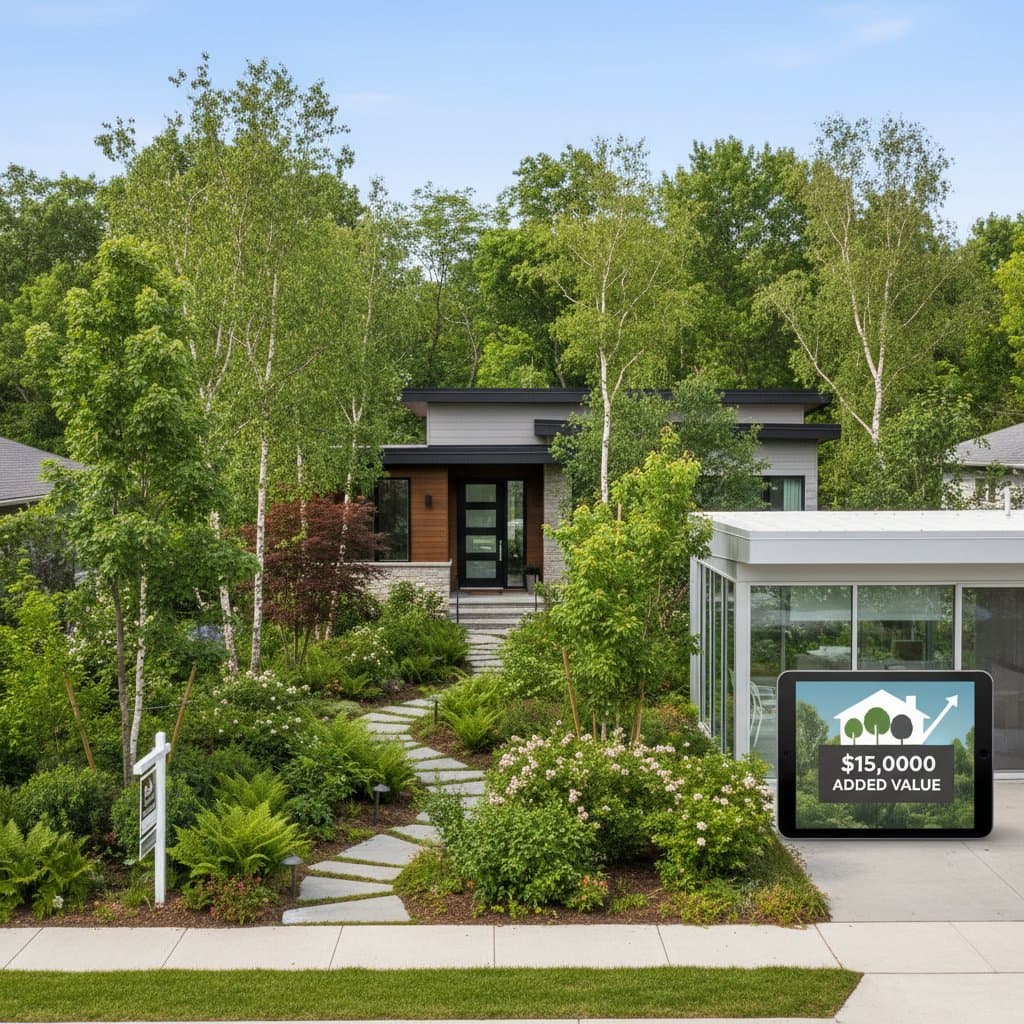
Edible landscaping reshapes property values in 2025 by blending aesthetics, eco-friendliness, and food production. Transform ordinary lawns into valuable, cost-saving gardens that appeal to buyers and sustain the planet.
Soil batteries transform soil's natural chemistry into reliable electricity for landscape lighting. This grid-independent technology delivers sustainable, low-maintenance illumination using eco-friendly materials. Homeowners gain resilient, weather-proof systems that support creative, environmentally conscious outdoor designs.
Eight states enforce defensible space laws requiring fire-resistant landscaping to address escalating wildfire dangers. These regulations specify plant selection, spacing, and maintenance to shield homes, support firefighting efforts, and potentially decrease insurance expenses. Discover strategies for effective design, expert assistance, and ongoing care to secure your landscape.