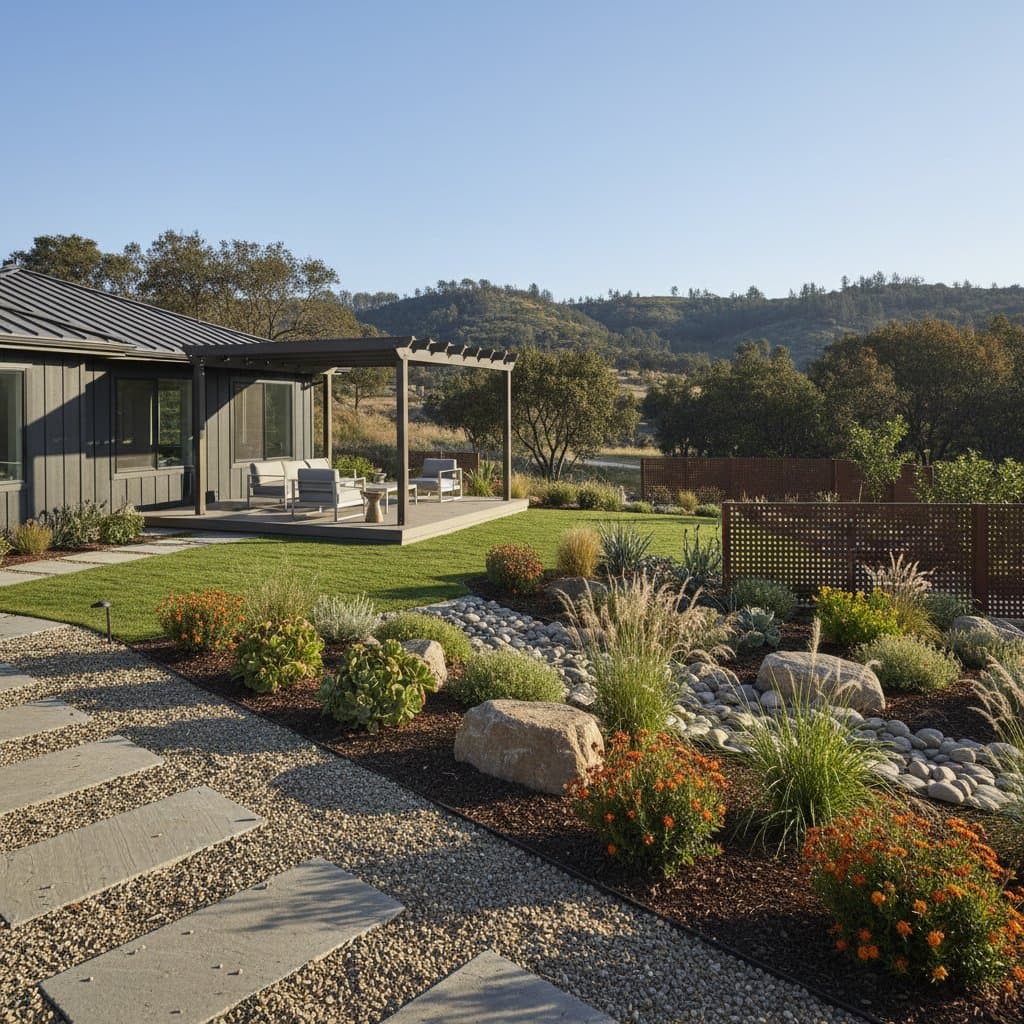
8 States Enforce Fire-Resistant Yards by 2025
By 2025, eight western states mandate fire-resistant yards to mitigate wildfire threats.
By Keith Greene
Loading...

Showing articles 301 - 315 of 494
By 2025, eight western states mandate fire-resistant yards to mitigate wildfire threats.

Advanced smart stump grinders revolutionize yard work by reducing removal time by up to 70 percent. Equipped with sensors and automation, they adapt to varying conditions for superior safety, precision, and minimal environmental impact. Despite a modest premium over traditional options, their streamlined performance positions them as an essential tool for contemporary landscaping projects.
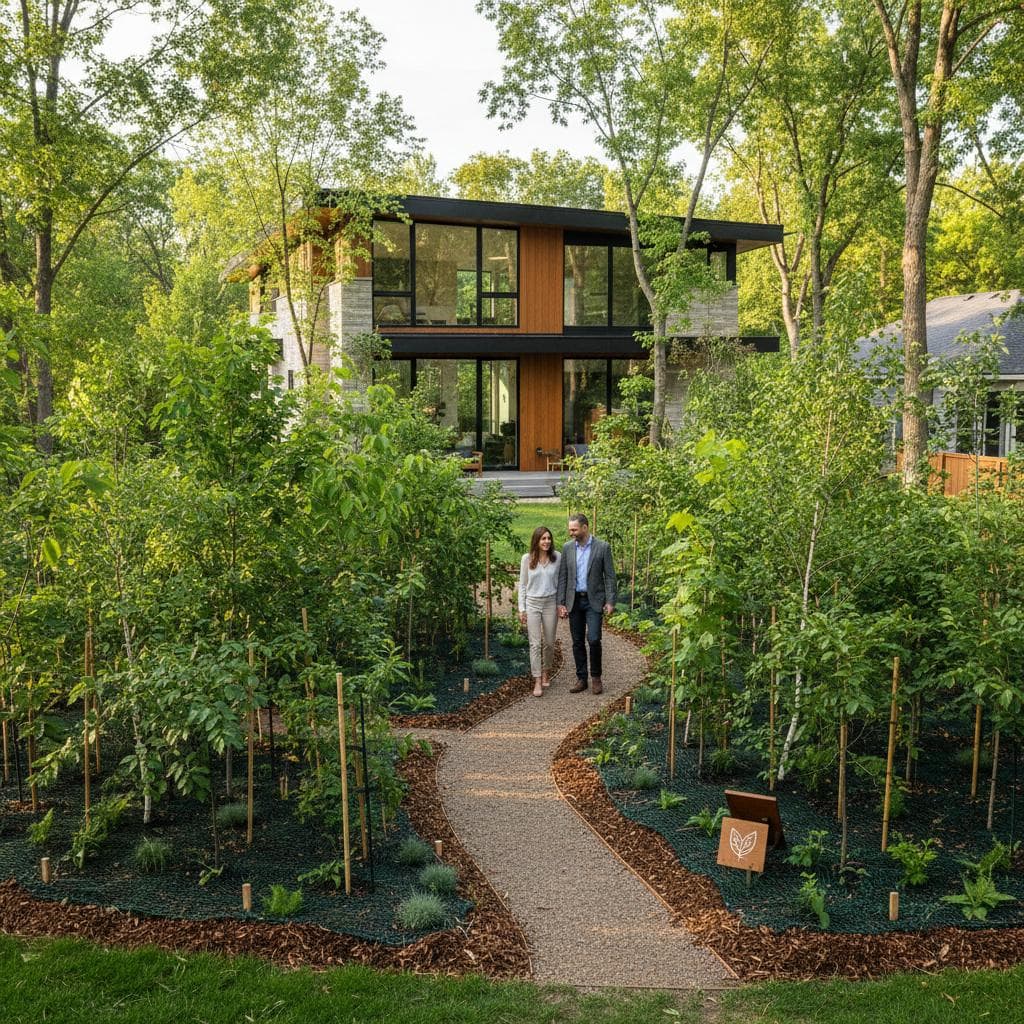
The Miyawaki Method enables the rapid creation of vibrant, native mini forests in backyards. This guide covers essential steps, from site assessment and soil preparation to dense planting and ongoing care, plus cost breakdowns and tips for DIY or hiring experts.
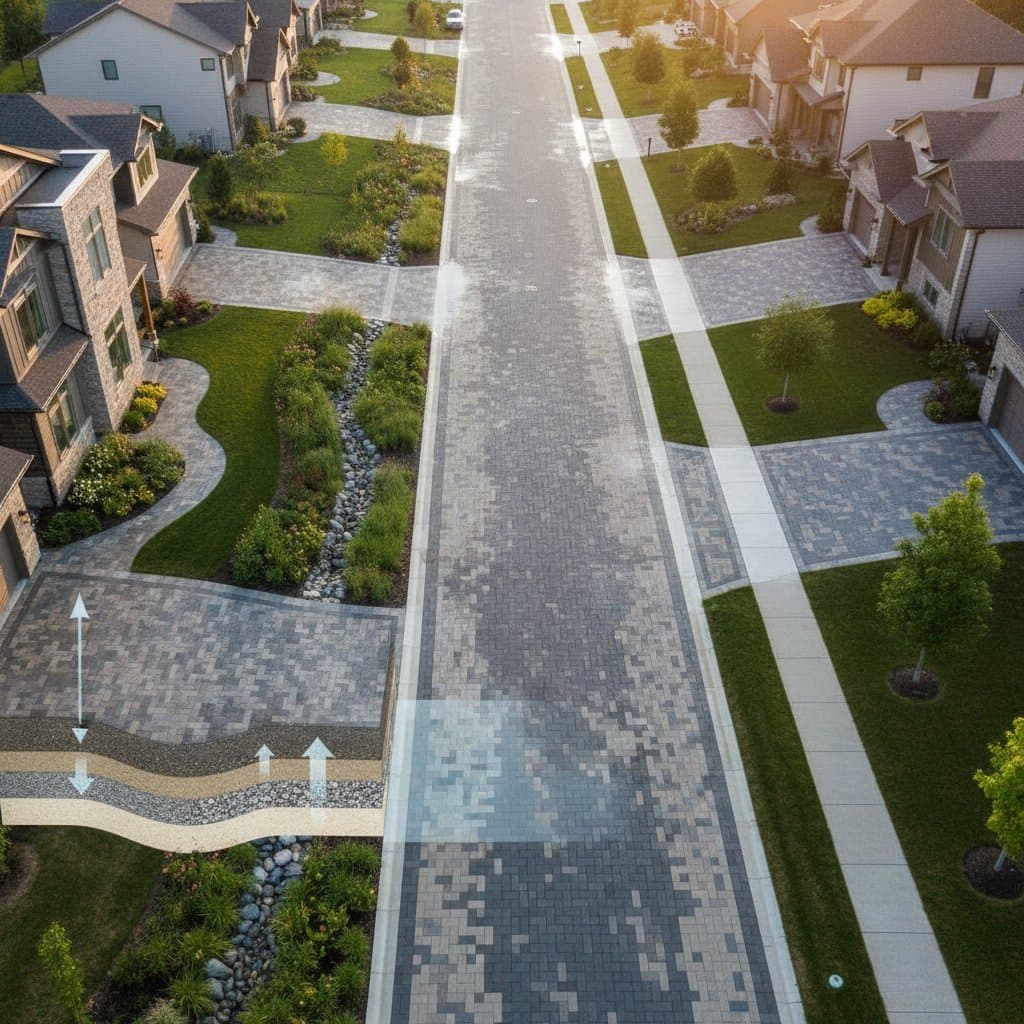
Eight forward-thinking states now mandate permeable pavers to tackle stormwater challenges, enabling rainwater infiltration that cuts flooding, purifies water, and bolsters groundwater reserves. These resilient surfaces deliver enduring value through lower maintenance, environmental protection, and adaptive drainage strategies for modern communities.
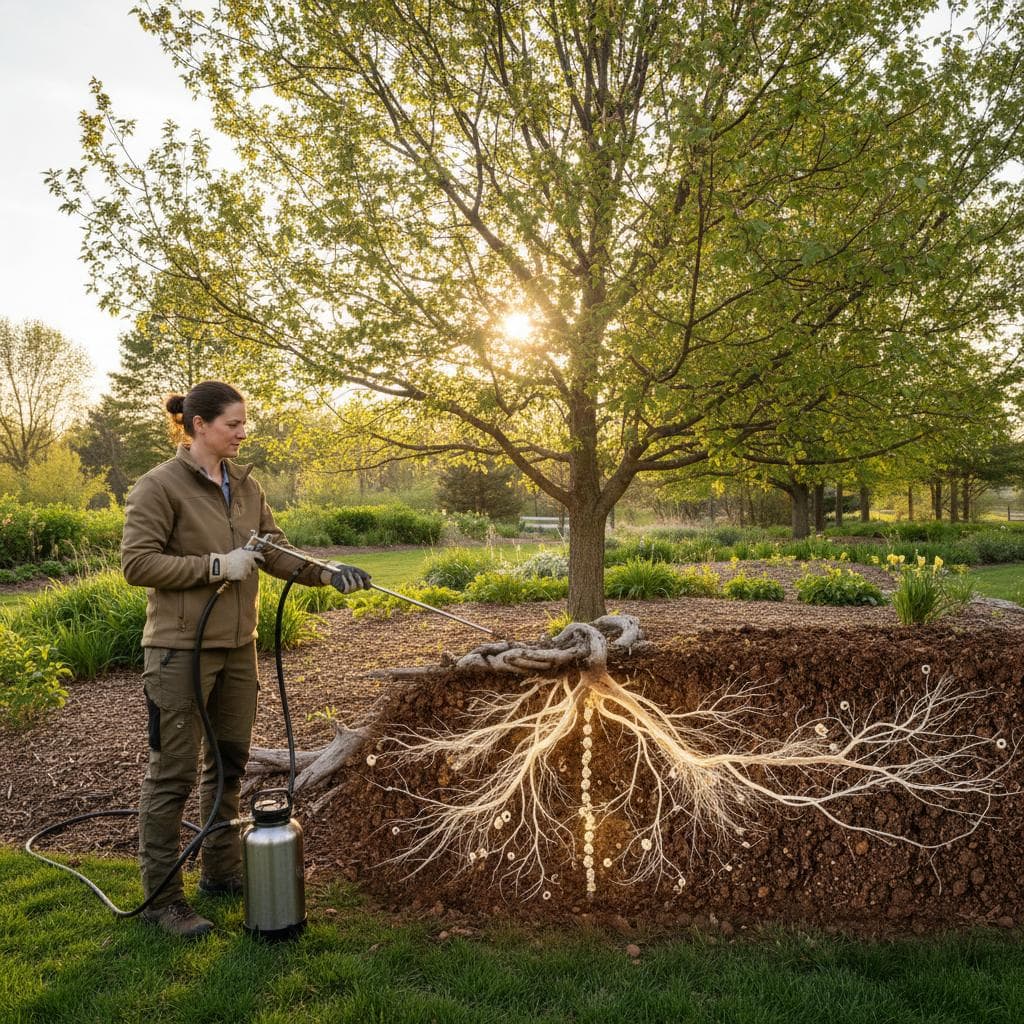
Mycorrhizal fungi injections revitalize stressed trees by reestablishing essential root-fungi symbioses that promote nutrient efficiency, bolster drought tolerance, and enrich soil ecosystems. Application costs depend on tree size and site conditions, yet professional services deliver enduring improvements. These eco-friendly interventions fortify landscapes, enhance tree stability, and foster vigorous growth starting beneath the surface.
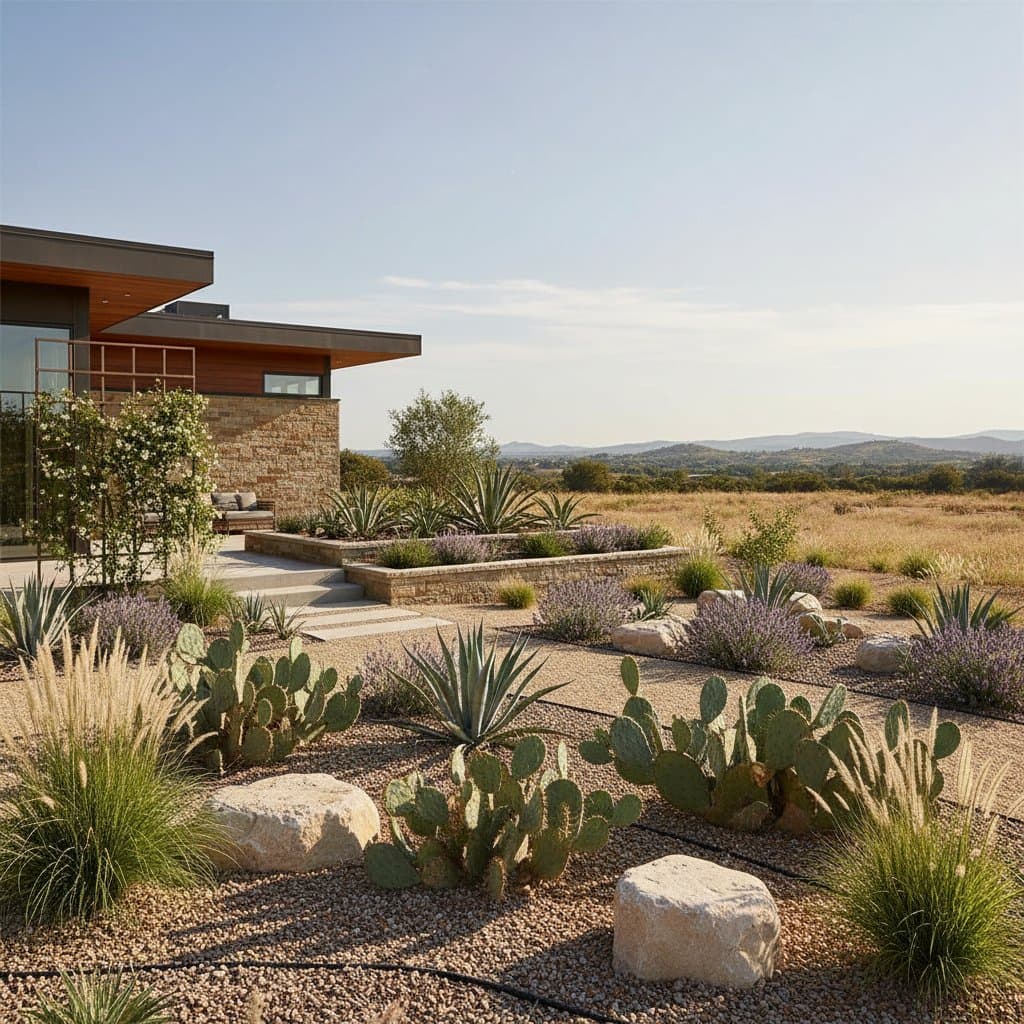
Mandates for fire-resistant landscaping now apply in eight states to counter escalating wildfire dangers. Property owners implement defensible zones with low-ignition plants and durable materials, at an average expense of $6,000. These initiatives bolster home security, neighborhood stability, and environmental health amid shifting fire policies.
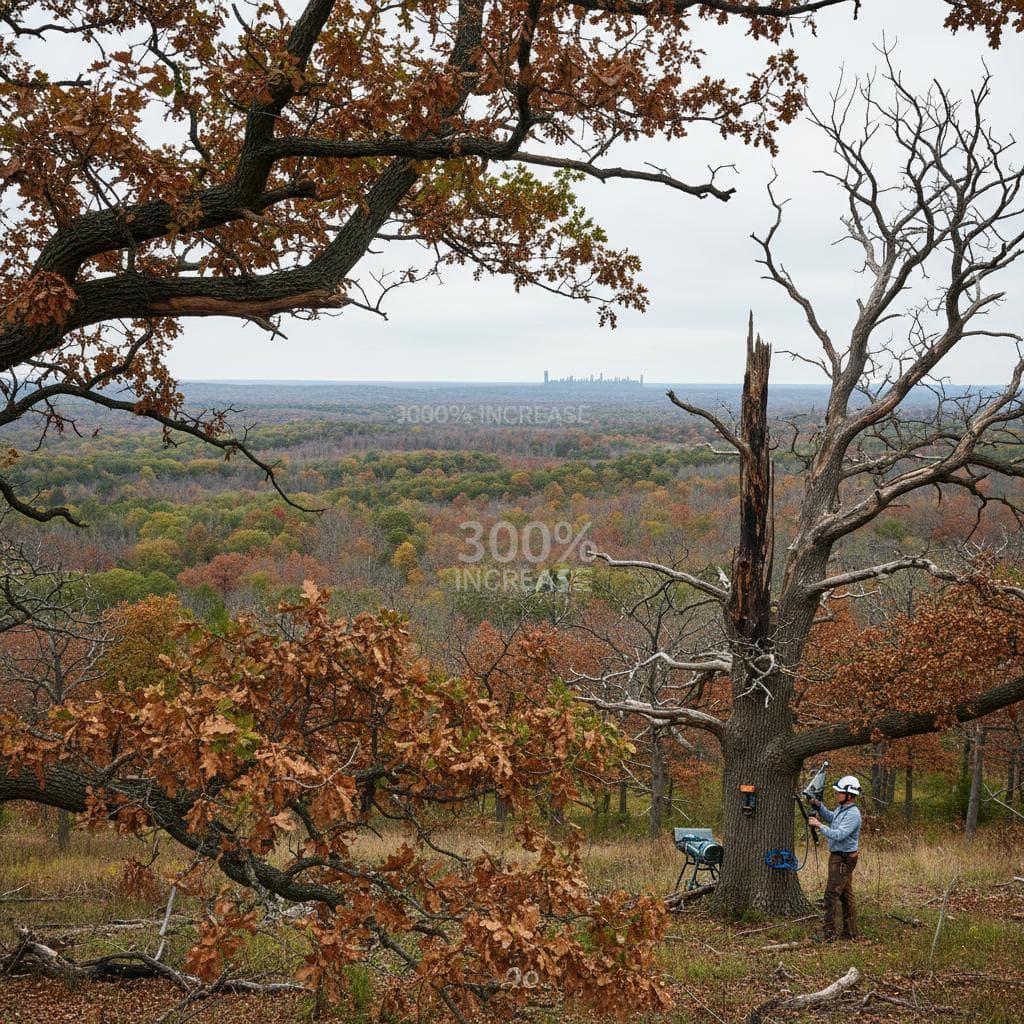
A 300 percent increase in oak wilt cases sweeps the Midwest, endangering oaks from Texas to Minnesota. Driven by warmer weather and seasonal pruning mistakes, this fungus kills trees swiftly. Discover symptoms, containment strategies, and the role of certified arborists in preserving local oak stands.
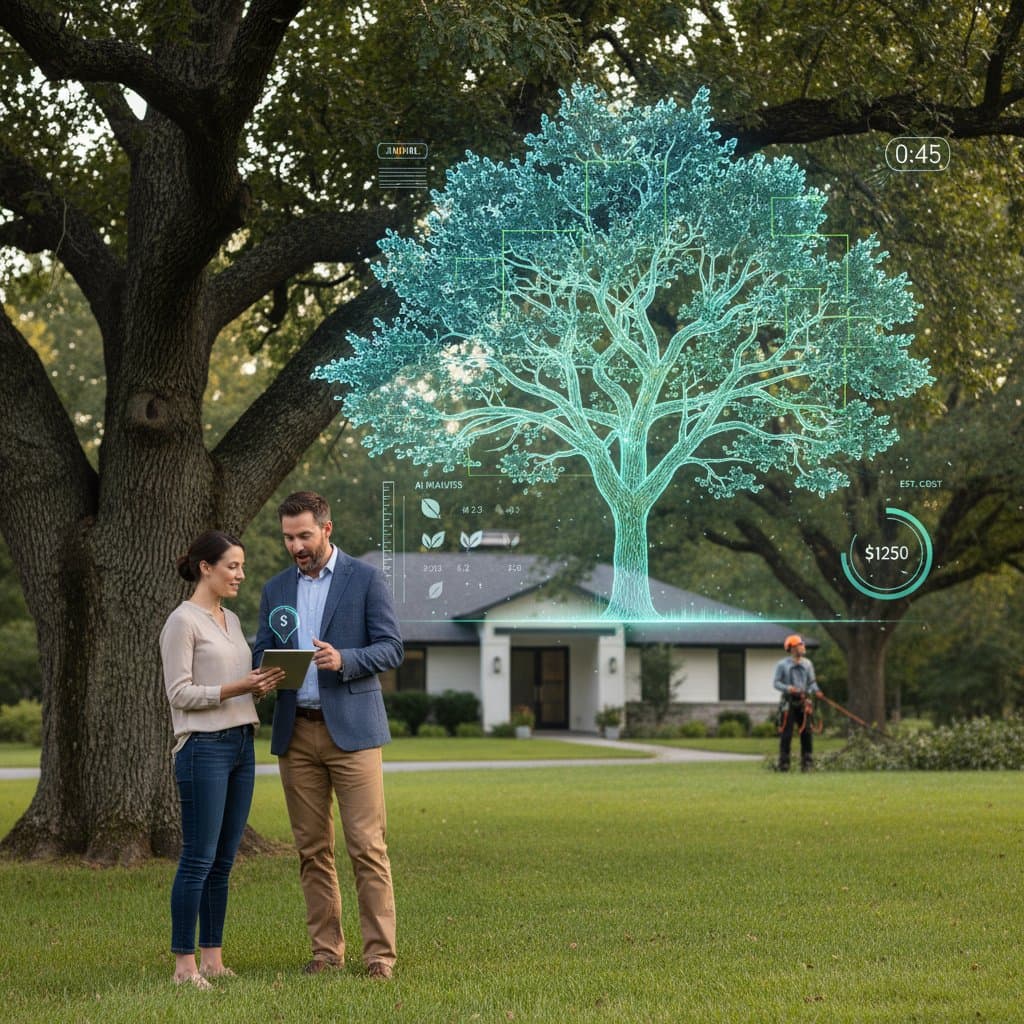
AI photo technology in 2025 revolutionizes tree service quoting for homeowners. Upload images for minute-fast cost estimates on removal, trimming, and more, blending speed with expert verification for optimal results.

Suburban homeowners adopt monthly stump grinding subscriptions to secure cleaner, safer yards at predictable costs. These services provide expert inspections, stump removal, and preventive care, elevating curb appeal, deterring pests, and simplifying property upkeep for lasting landscape health.

The hemlock woolly adelgid has infiltrated eight additional counties, endangering hemlock trees across forests and properties. This invasive species saps tree vitality, yet proactive detection and targeted interventions can preserve them. Explore identification techniques, control strategies, and protective measures to halt damage progression.

With HOA restrictions lifting across the country, edible landscapes have surged by 300 percent, turning traditional lawns into vibrant, food-producing spaces. Homeowners now integrate fruit trees, vegetable beds, and herb gardens to promote sustainability while enhancing property aesthetics. This guide details planning costs, design principles, and upkeep methods to develop compliant gardens that deliver both visual charm and fresh produce.

Hemlock tree owners now face reduced financial burdens as woolly adelgid treatment costs fall by 50%. Access details on chemical, biological, and DIY methods, along with strategies for cost savings and sustained tree protection.

By 2025, eight states mandate fire-resistant yards in wildfire zones to enhance home safety. Explore defensible space strategies, plant choices, compliance costs averaging $6,500, and DIY or professional paths to a resilient landscape.

With boxwood blight cases rising 300%, landscapes face serious risks from this rapid fungal destroyer. This guide covers symptom identification, effective controls, and prevention tactics, including expert treatments and resilient plant options to preserve your garden's beauty.
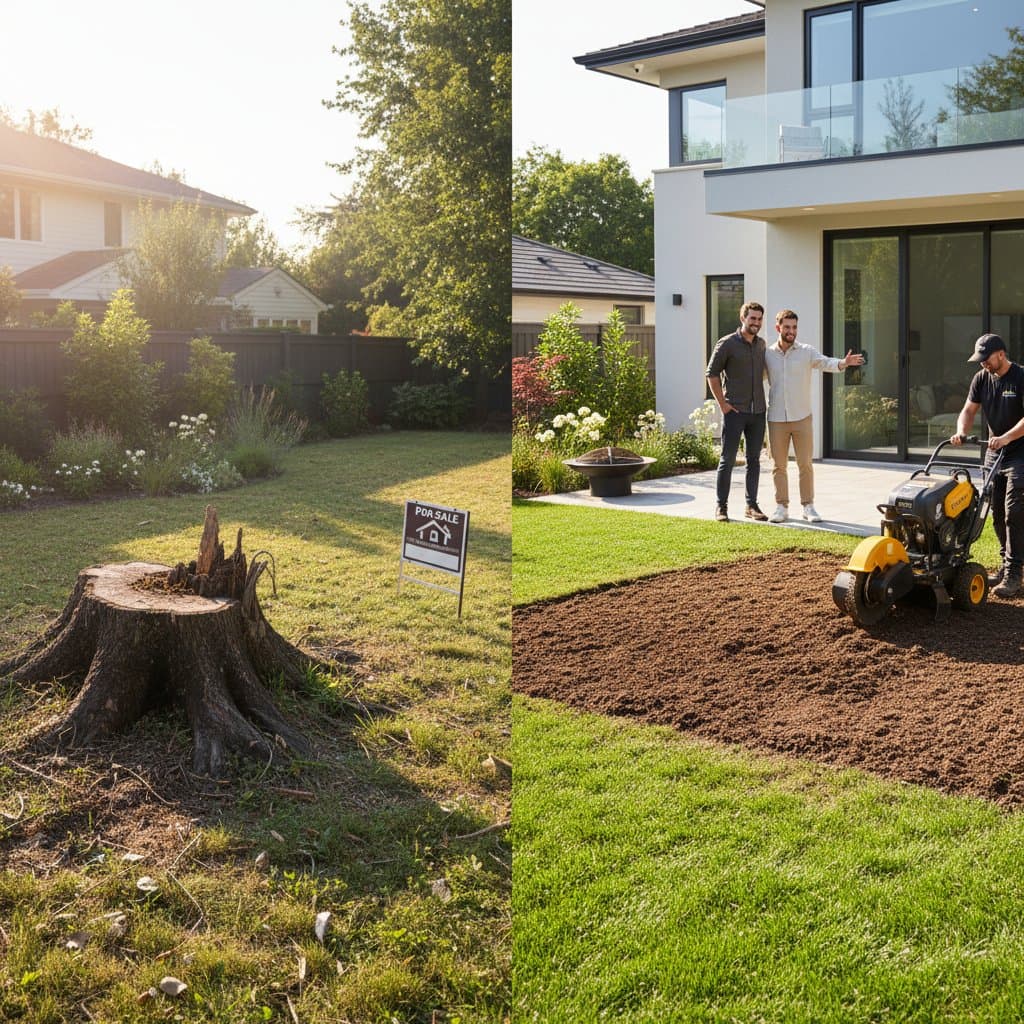
Tree stumps diminish home value by creating visual clutter, safety risks, and pest issues that deter buyers. Stump grinding in 2025 provides an efficient solution, enhancing curb appeal and reclaiming yard space for greater property appeal and resale potential.
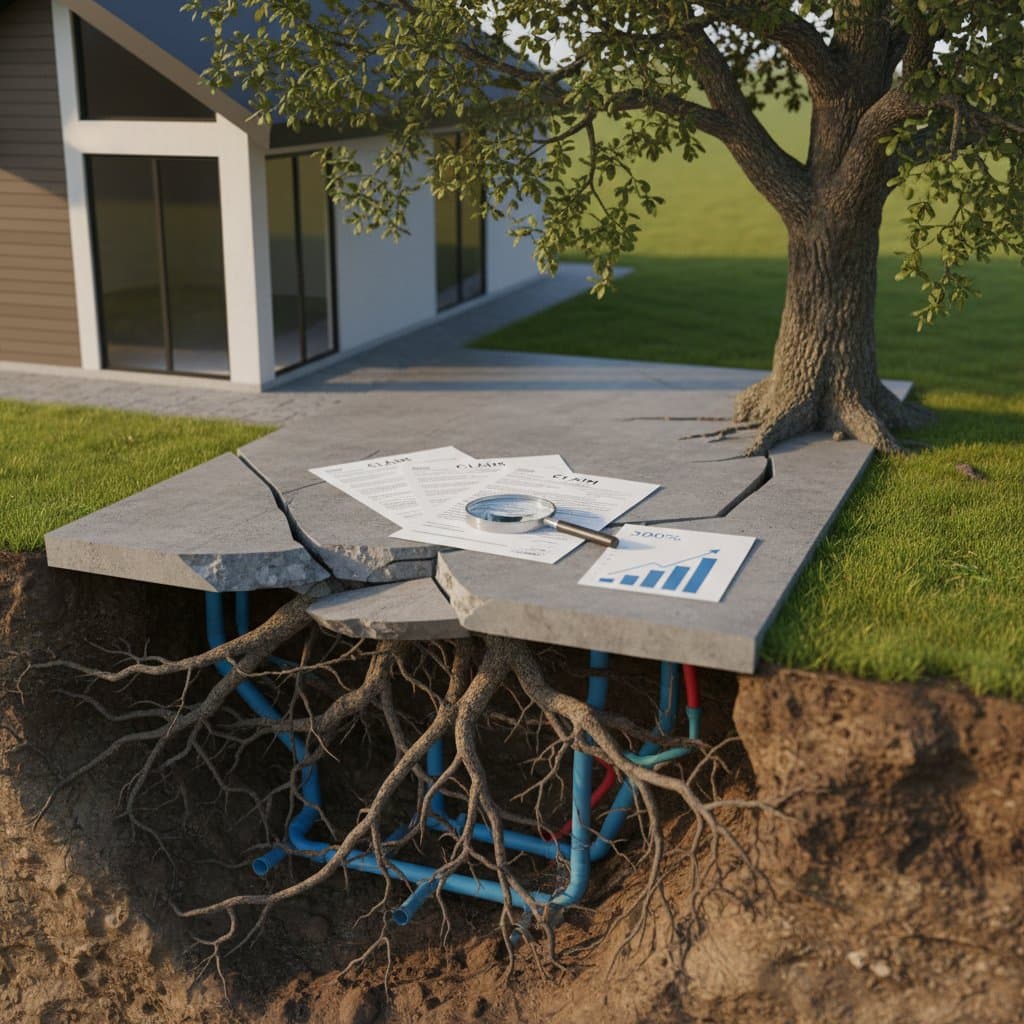
A fresh property insurance policy has sparked a 300% jump in tree root damage claims, revealing coverage gaps and homeowner duties. This resource breaks down the causes, repair expenses, insurer reactions, and best practices for avoiding, handling, and submitting valid claims for root impacts on property.
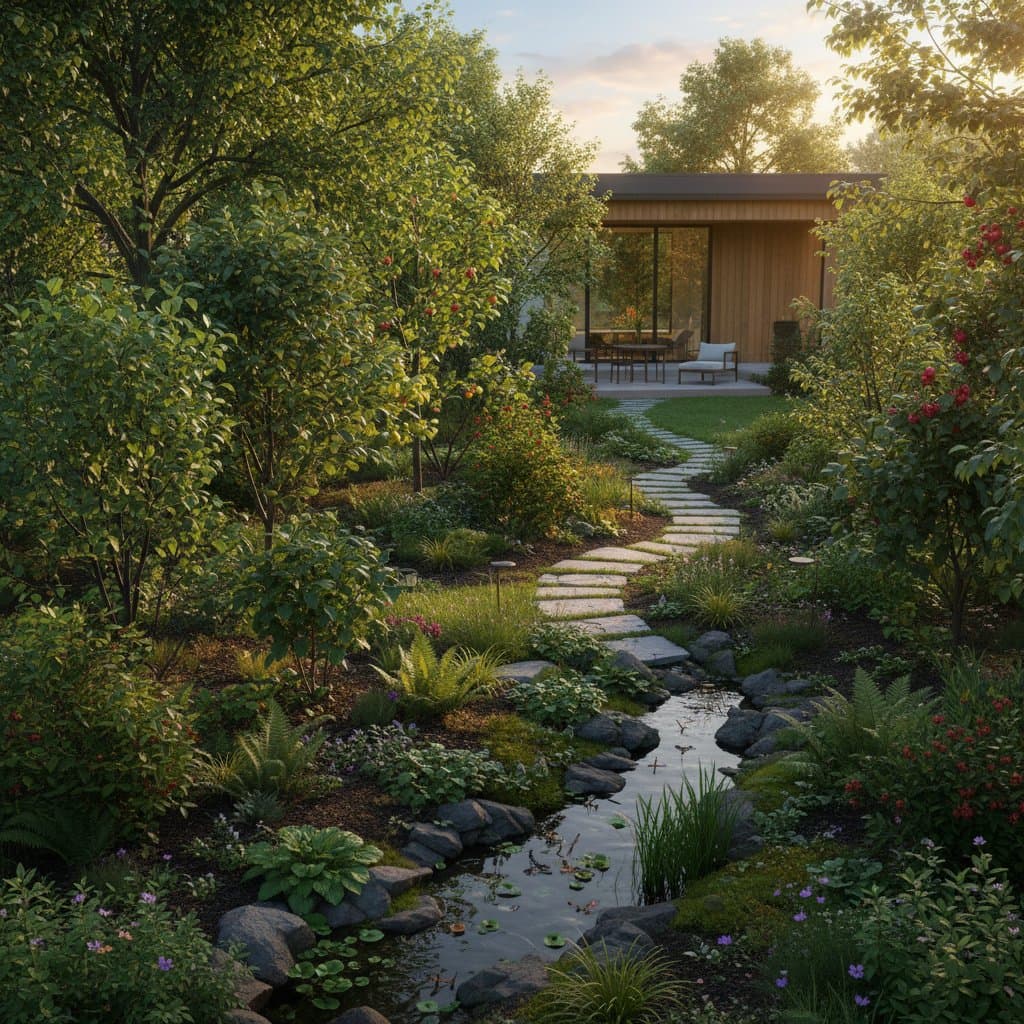
Suburban yards evolve in 2025 as homeowners swap lawns for micro-forests via the Miyawaki method. These dense plantings foster biodiversity, cut maintenance, and mature quickly. This guide details costs, designs, and practical steps to cultivate your own eco-friendly yard sanctuary.
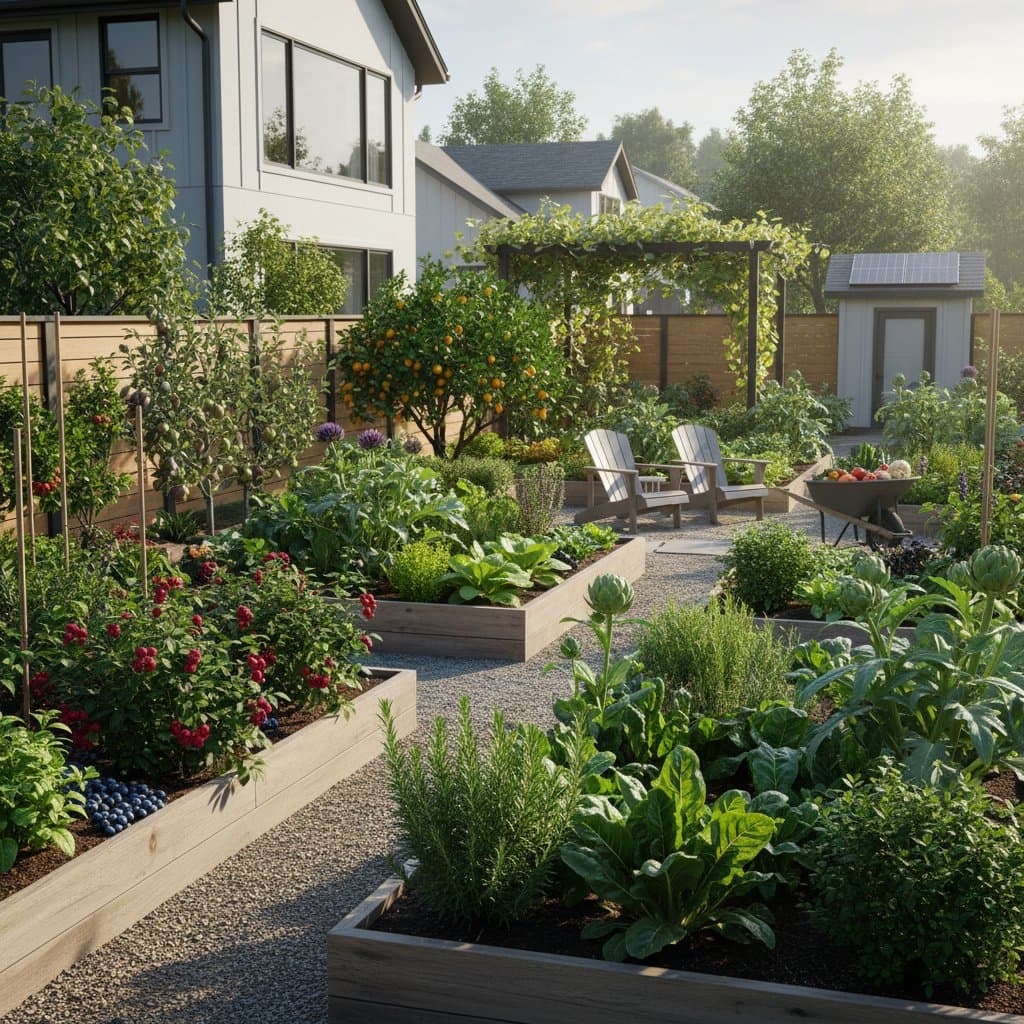
Convert your yard into a productive food source and achieve up to $3,000 in yearly savings through edible landscaping. Swap decorative flora for fruit trees, herbs, and veggies to lower food and care costs, promote eco-friendliness, and elevate real estate appeal—explore designs that deliver enduring fiscal and planetary benefits.
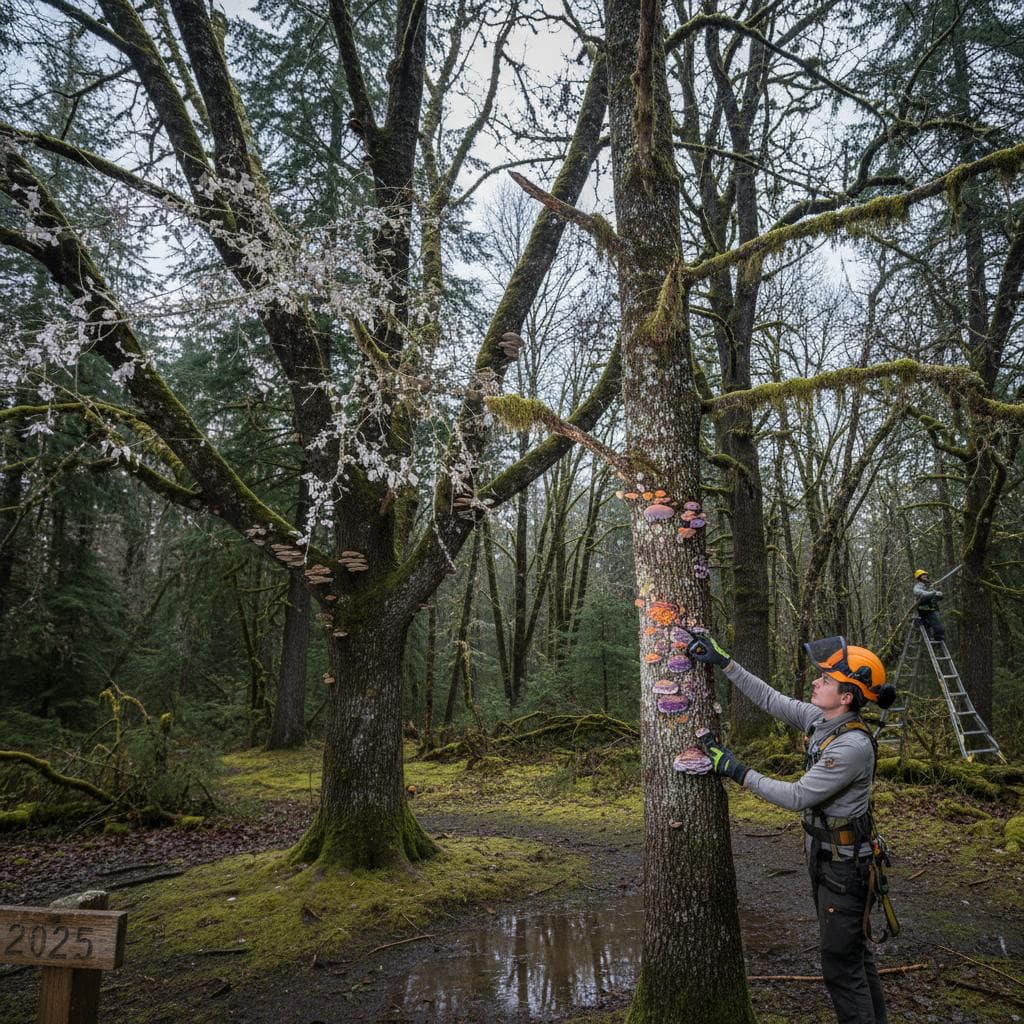
The 2025 wet winter drove an 85% jump in fungal tree diseases, impacting Maples to Oaks. Learn to spot signs, estimate treatment costs, know when to summon arborists, and apply prevention tactics for enduring landscape protection and value retention.
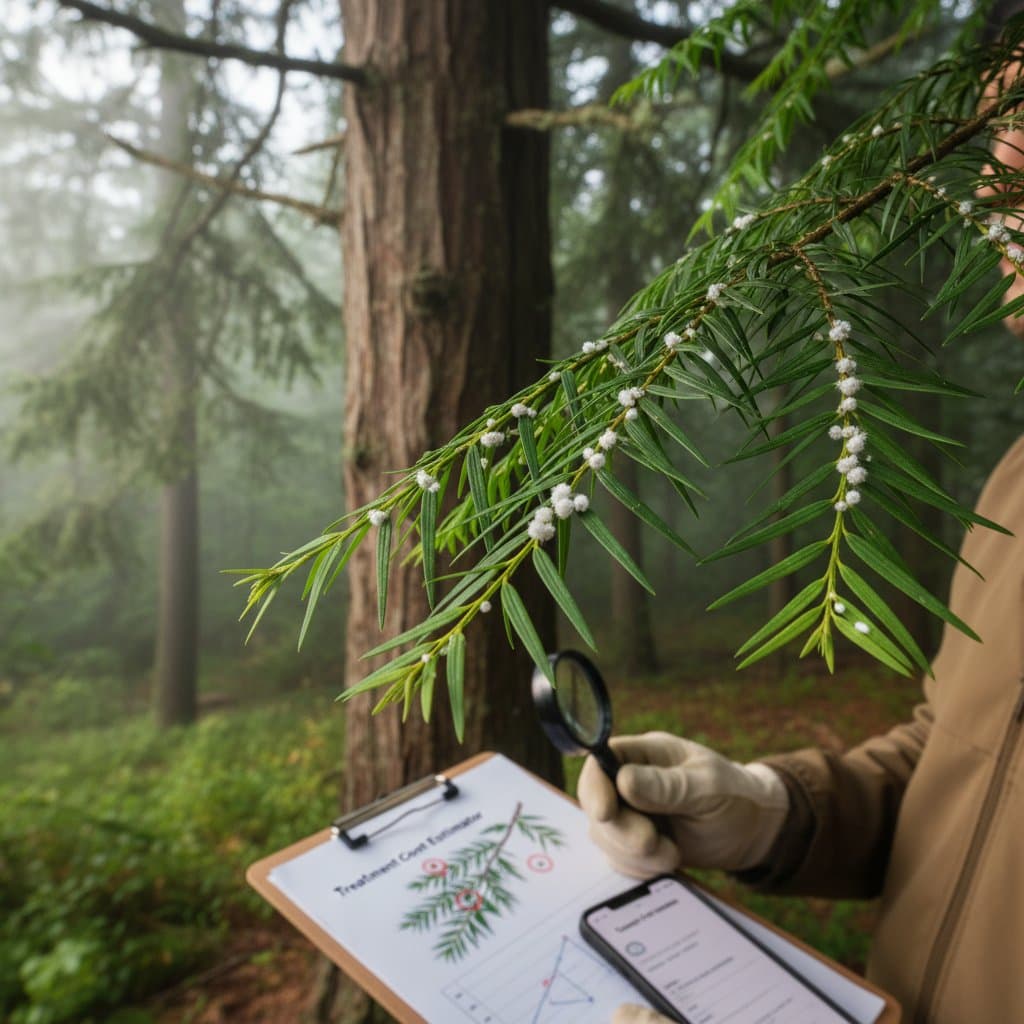
The hemlock woolly adelgid poses a growing danger to Midwest hemlock trees, capable of killing mature specimens in mere seasons. This guide covers identification of early signs, treatment methods, cost considerations, and professional intervention strategies to safeguard your landscape from this invasive pest.