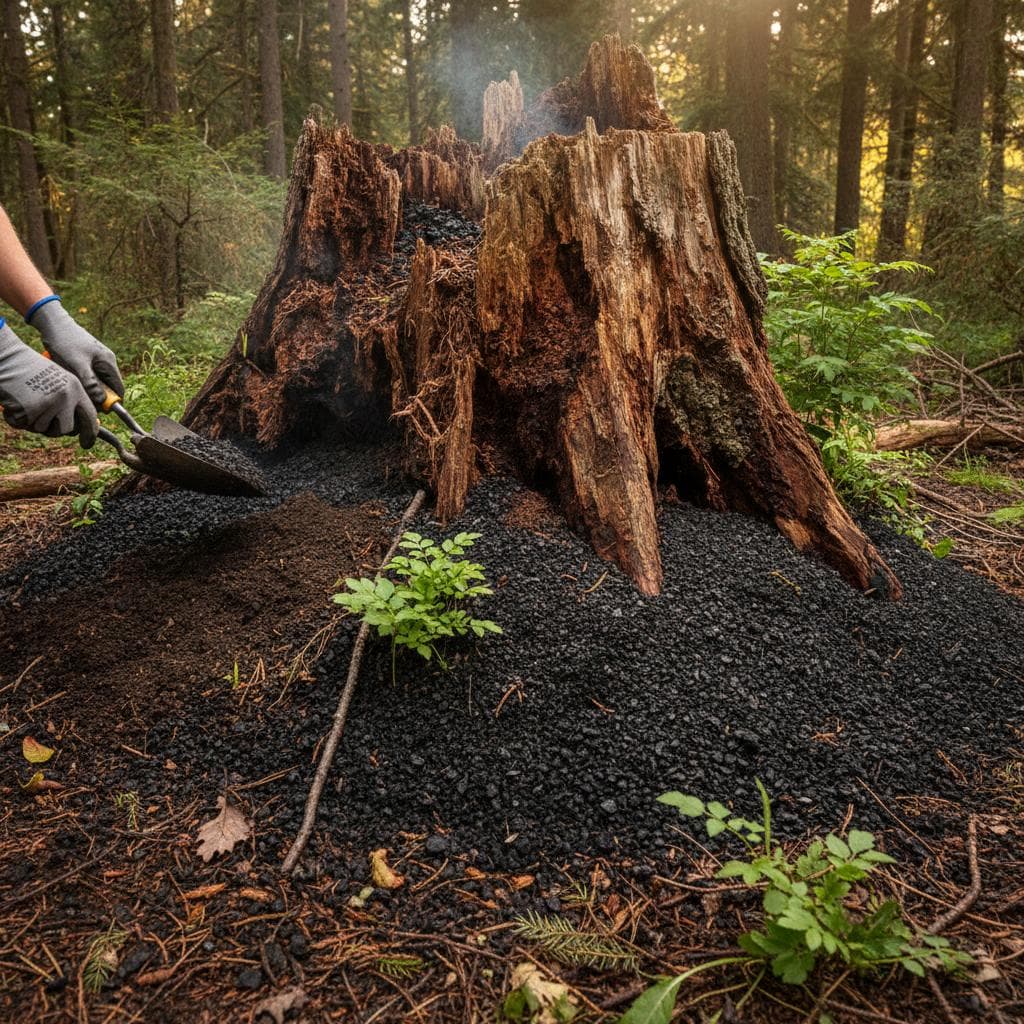
Turn Tree Stumps Into $500+ Biochar Profit
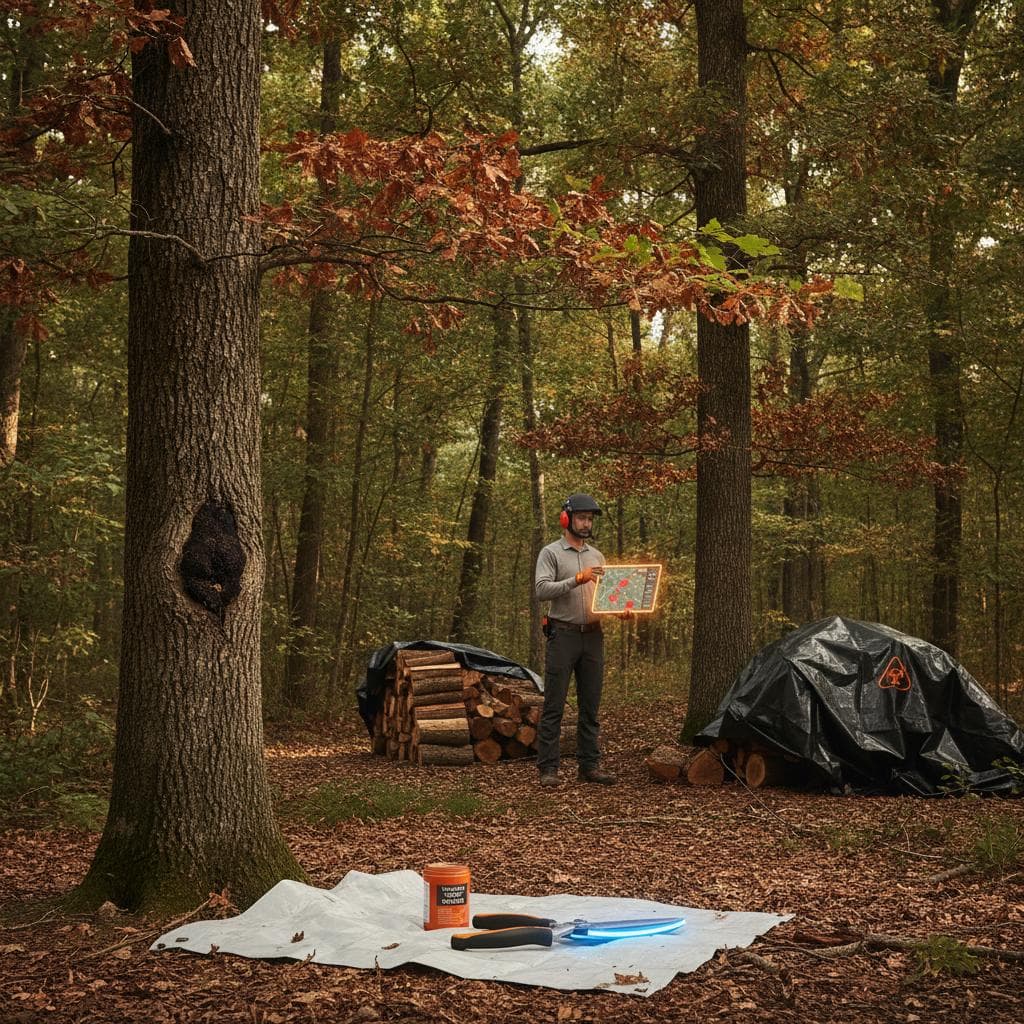
Transform tree stumps into biochar that sells for 500 dollars or more. Follow the drying, kiln, and packaging steps that produce a high demand soil amendment while reducing waste.
Loading...
Showing articles 1 - 15 of 424
Transform tree stumps into biochar that sells for 500 dollars or more. Follow the drying, kiln, and packaging steps that produce a high demand soil amendment while reducing waste.
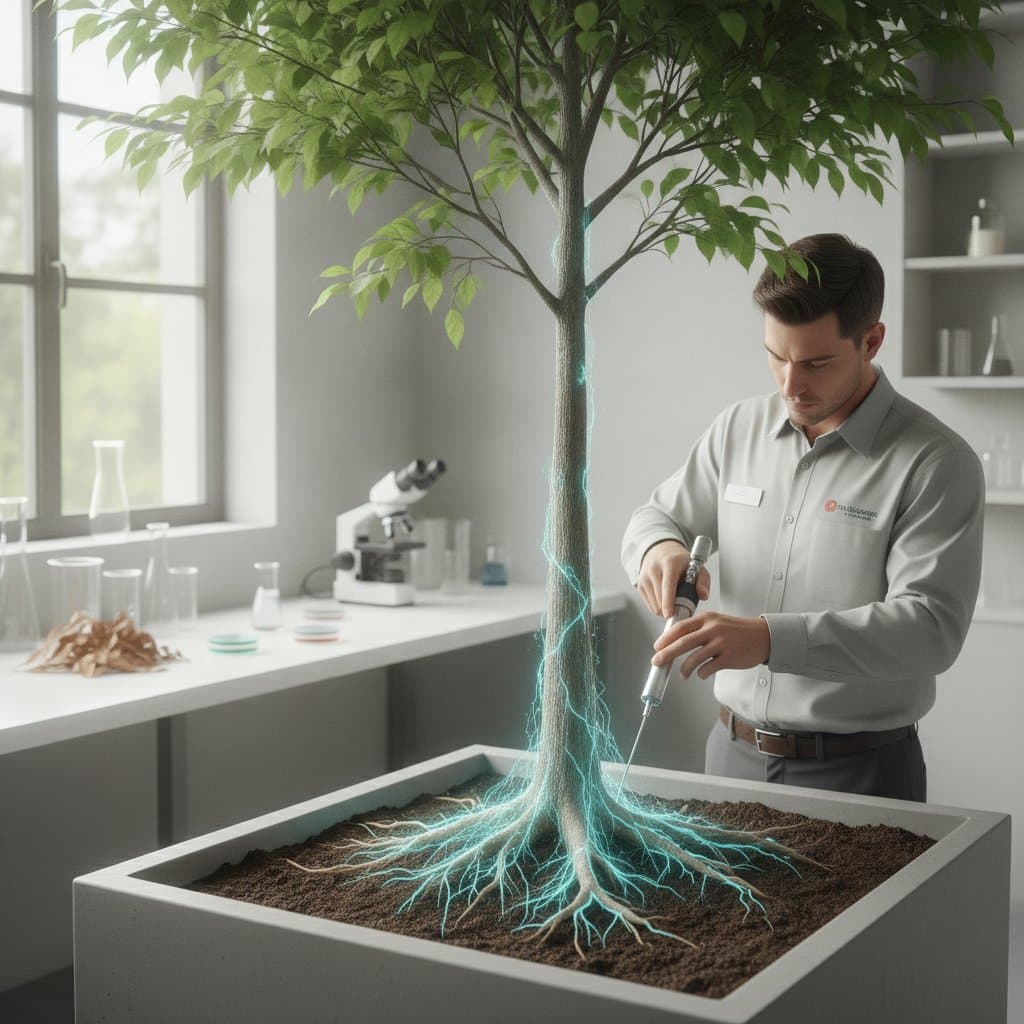
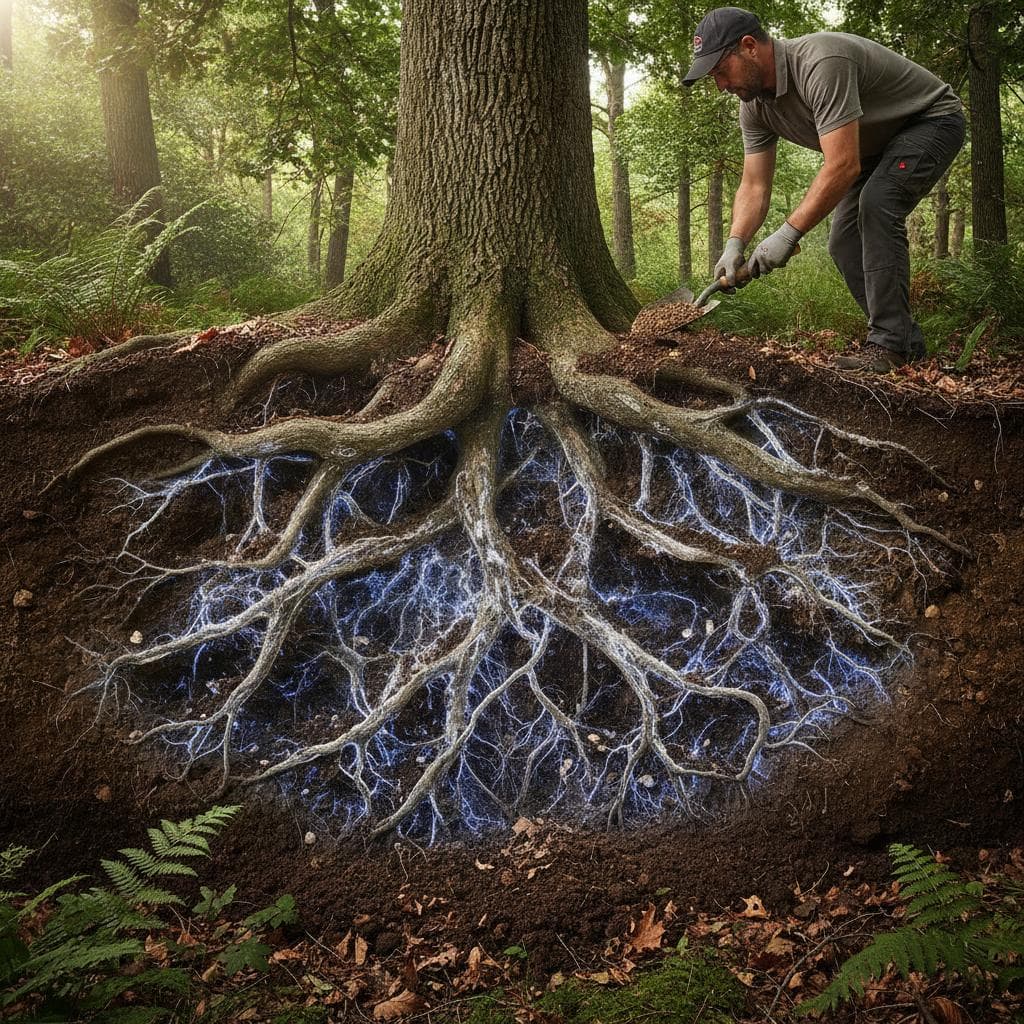
Beneath every thriving tree lies a hidden network of mycelium that shares nutrients, boosts resilience, and connects roots in a living web. Learn how these underground systems enhance growth and prevent disease, along with soil care practices that support them.
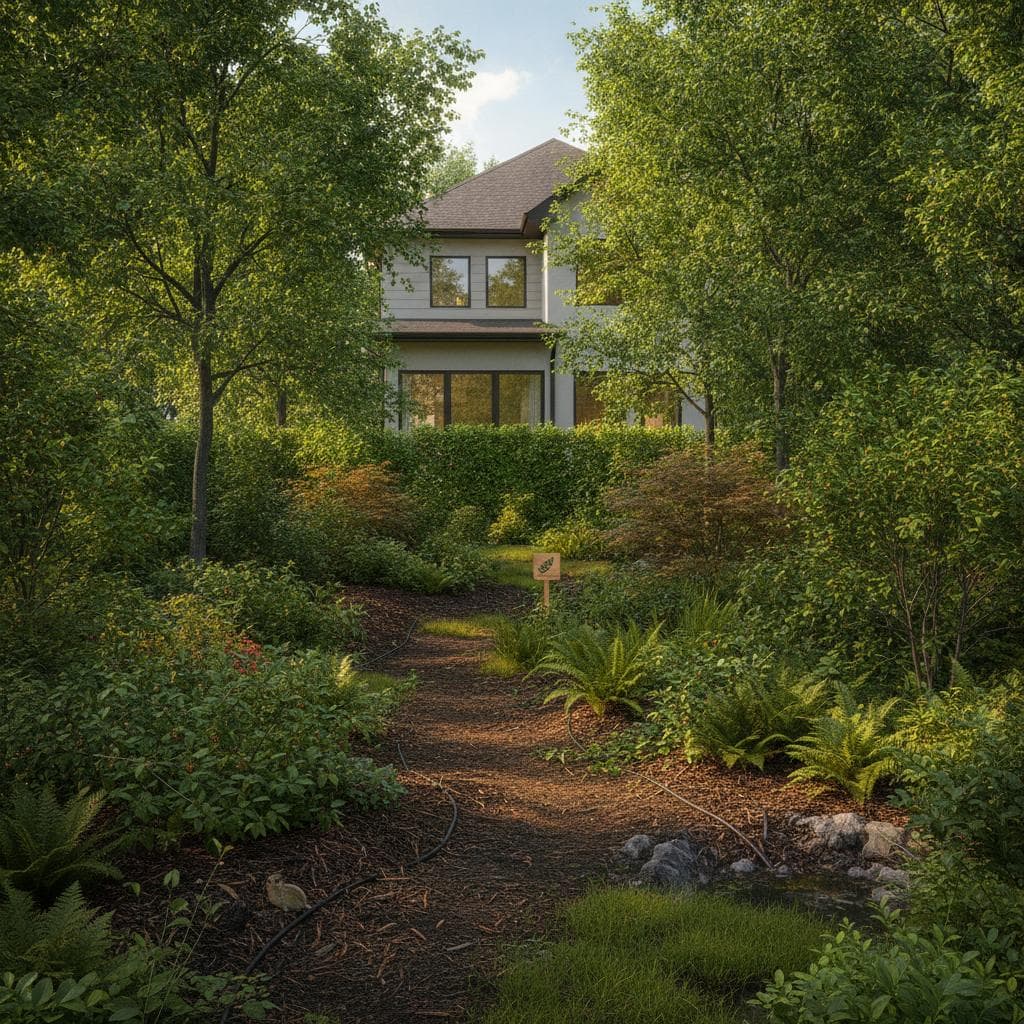
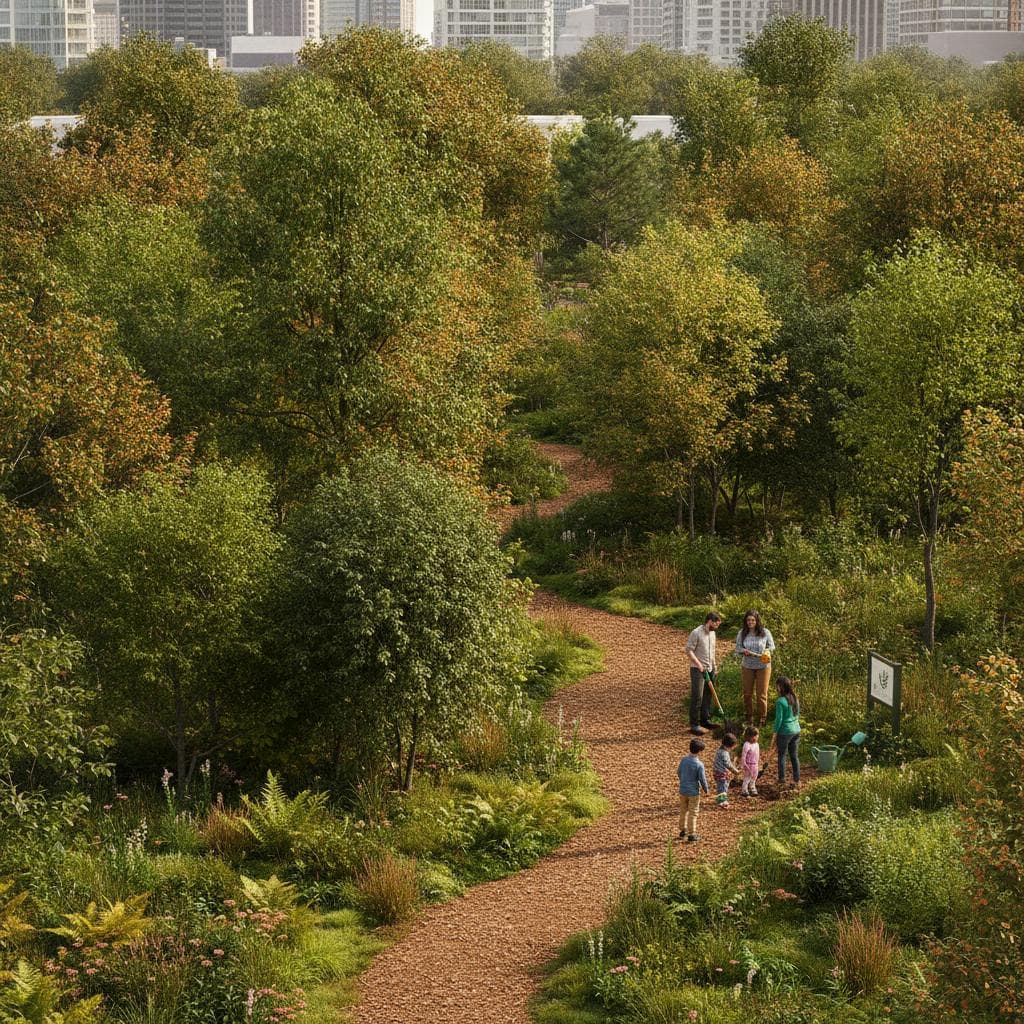
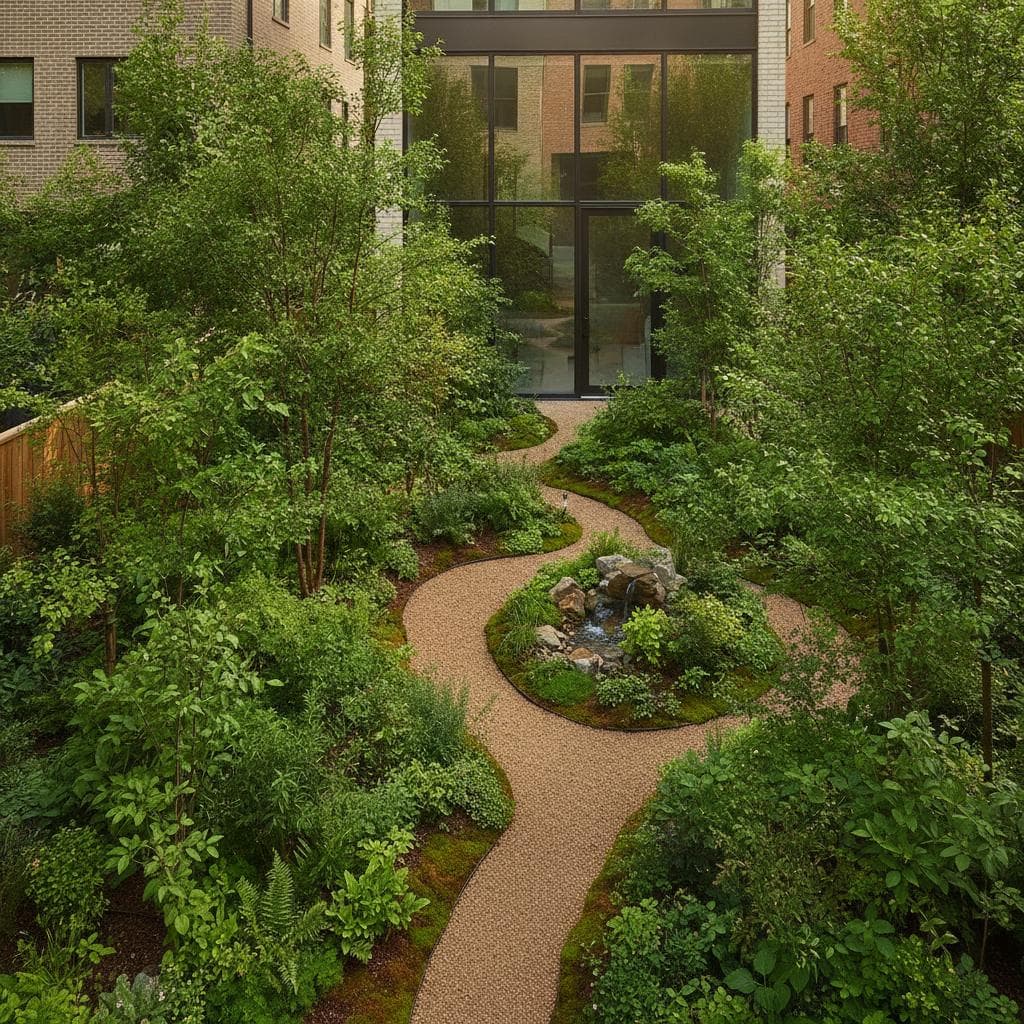
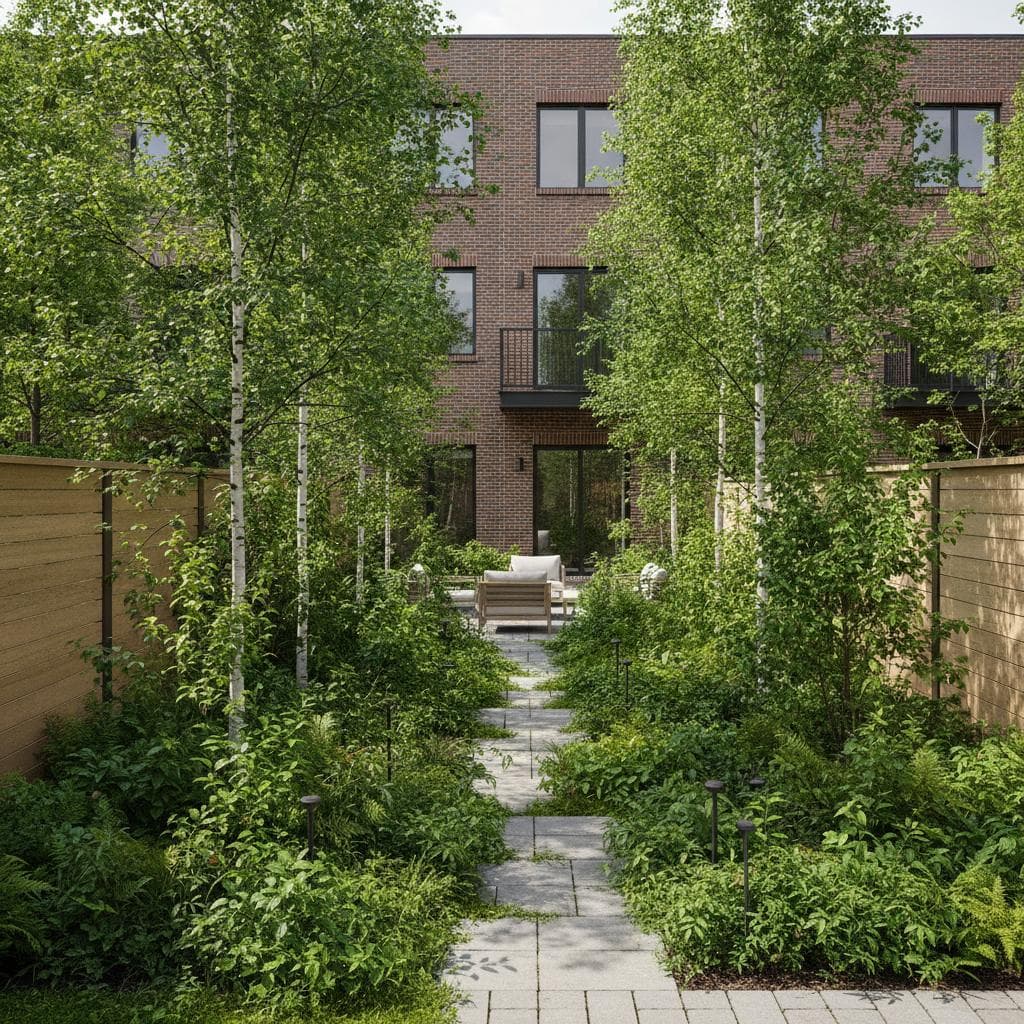
Transform a small yard into a self-sustaining ecosystem. The Miyawaki method uses dense native plantings to create a micro-forest that boosts biodiversity, improves soil health, and requires little maintenance once established.
Transform stump waste into biochar that enriches garden soil and reduces disposal needs. Review costs, production methods, and actionable steps for creating a stable soil amendment at home.
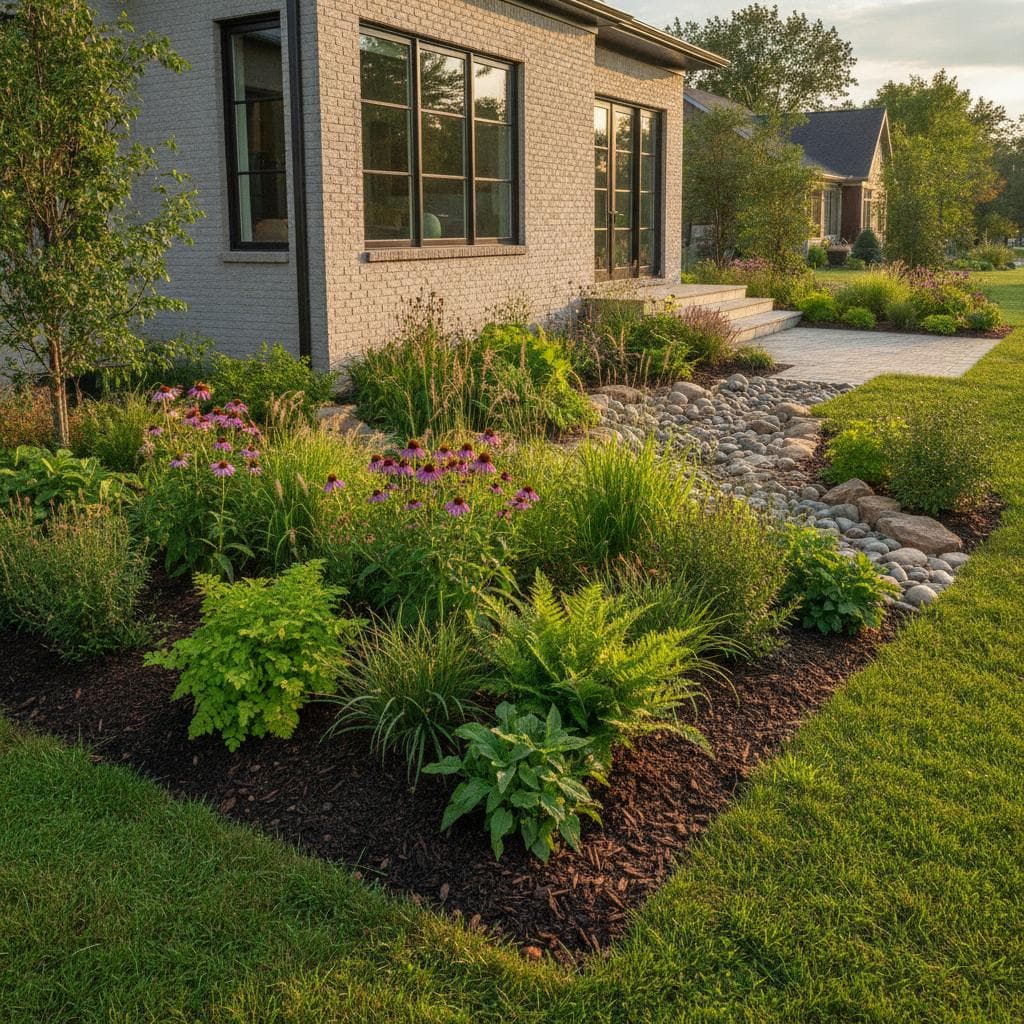
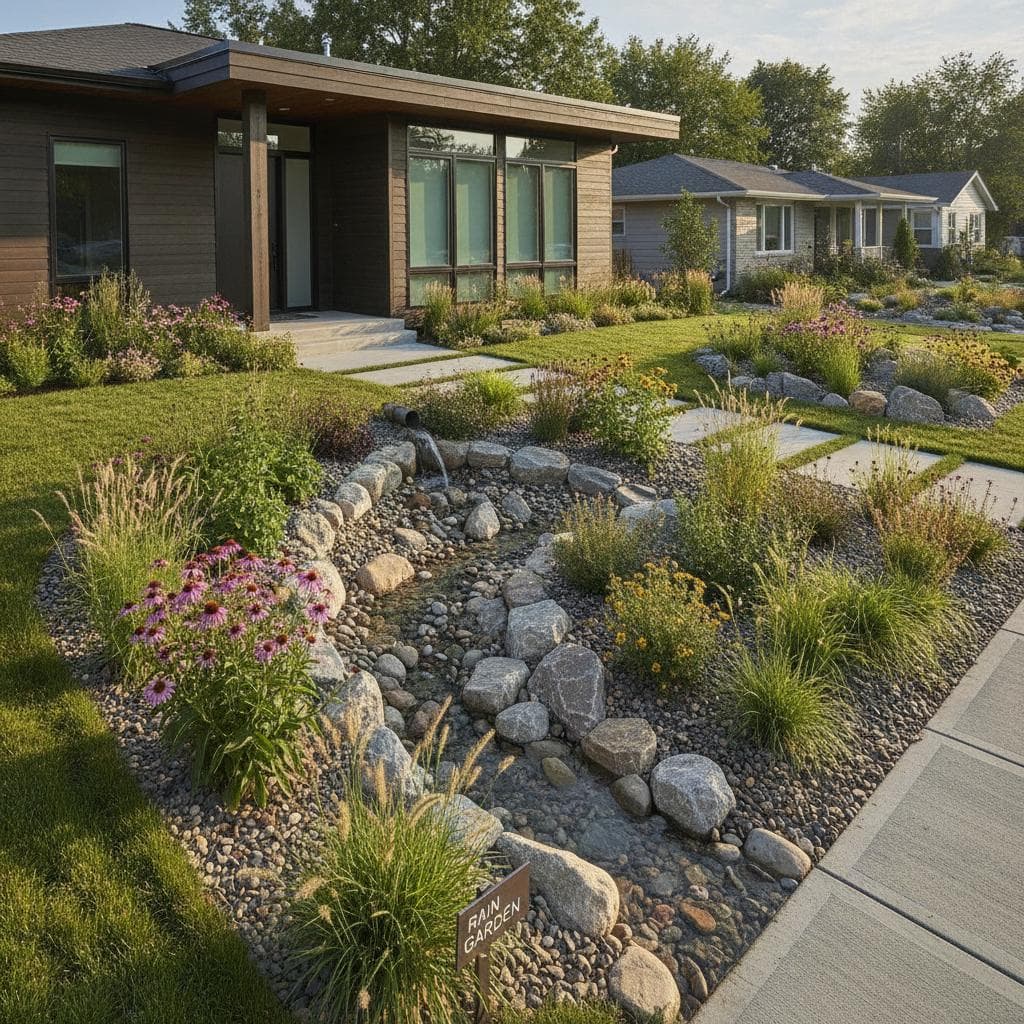
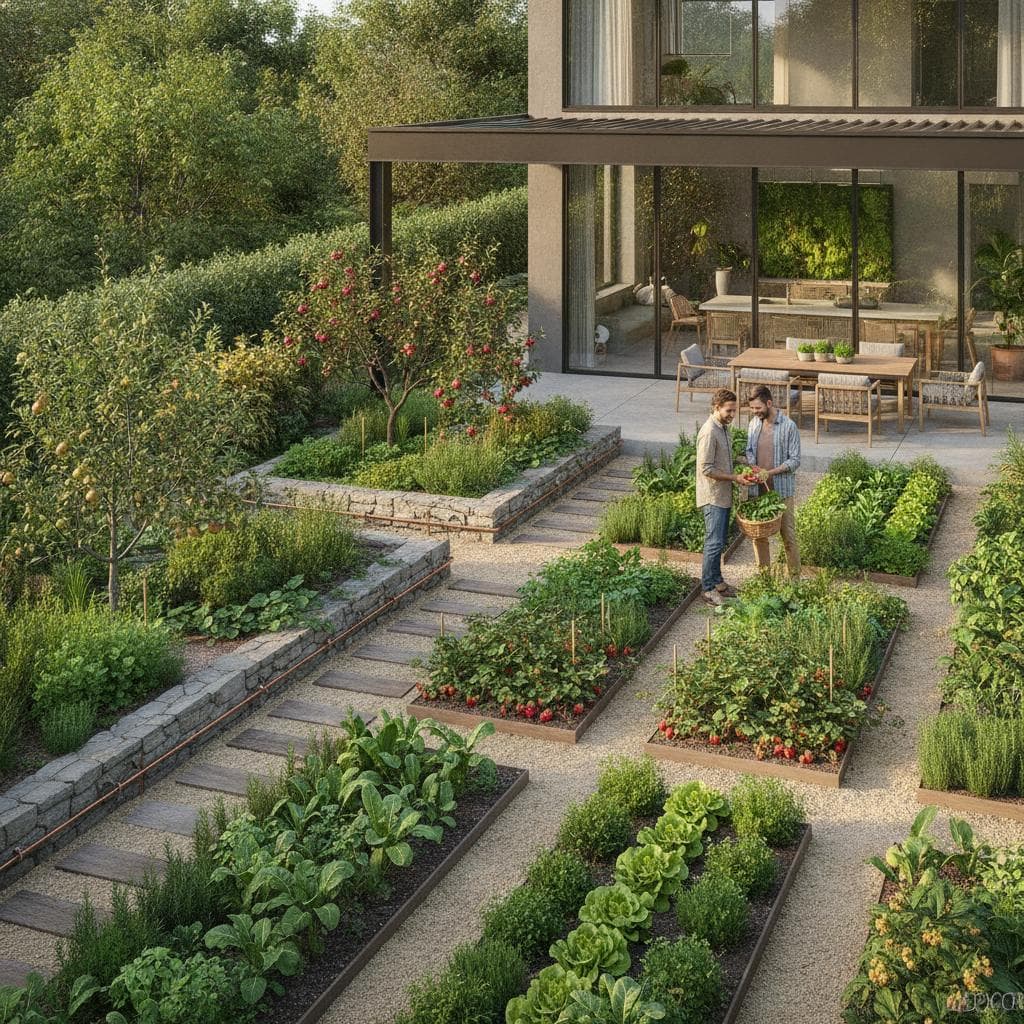
Gravel gardens are redefining sustainable landscaping for 2026. They replace traditional mulch with water-saving, low-maintenance beauty. Homeowners are embracing gravel durability, drainage, and drought tolerance while cutting upkeep costs. From choosing materials to designing layouts, this trend transforms yards into eco-friendly, visually striking spaces that conserve water and thrive year-round.
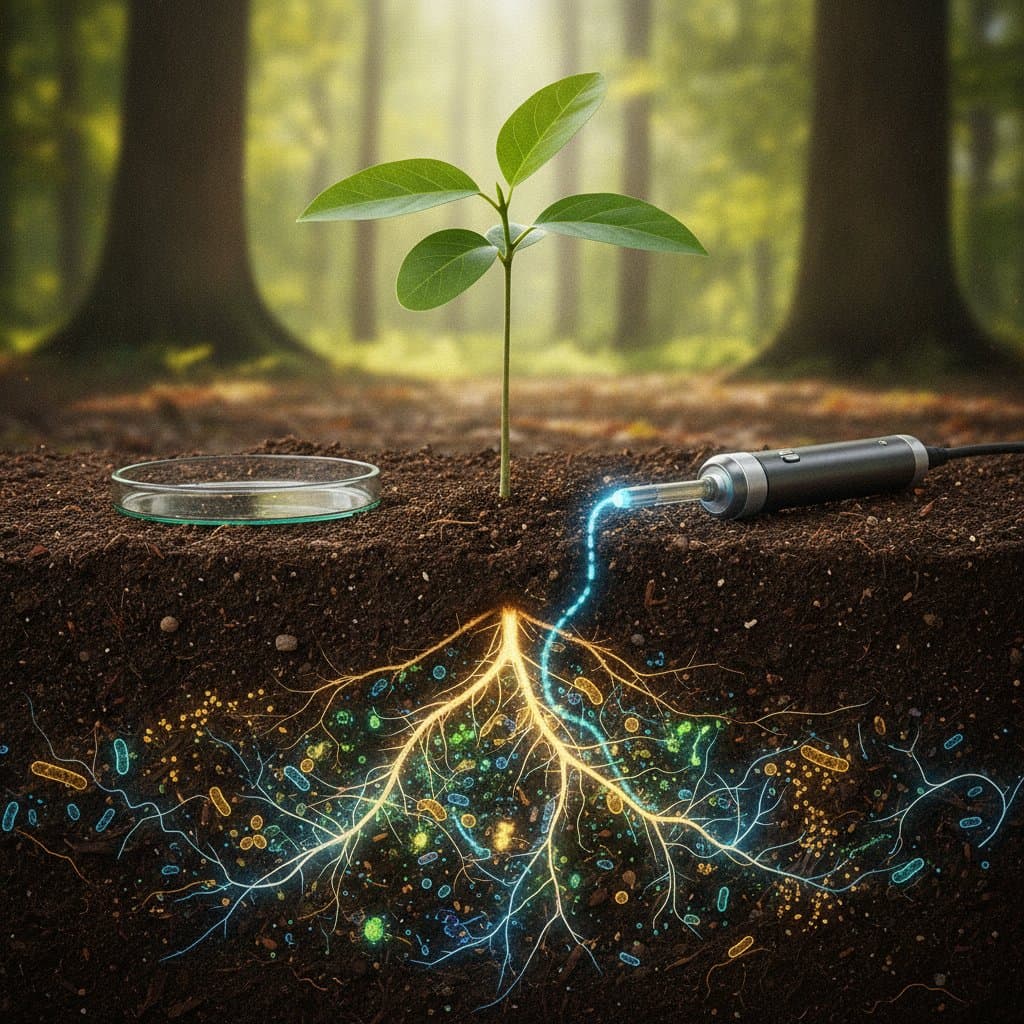
Soil microbiome testing reveals the microbial networks that control root health, nutrient uptake, and disease resistance. This data-driven approach helps homeowners and landscapers prepare soil before planting, reduce tree losses, and establish sustainable landscapes.
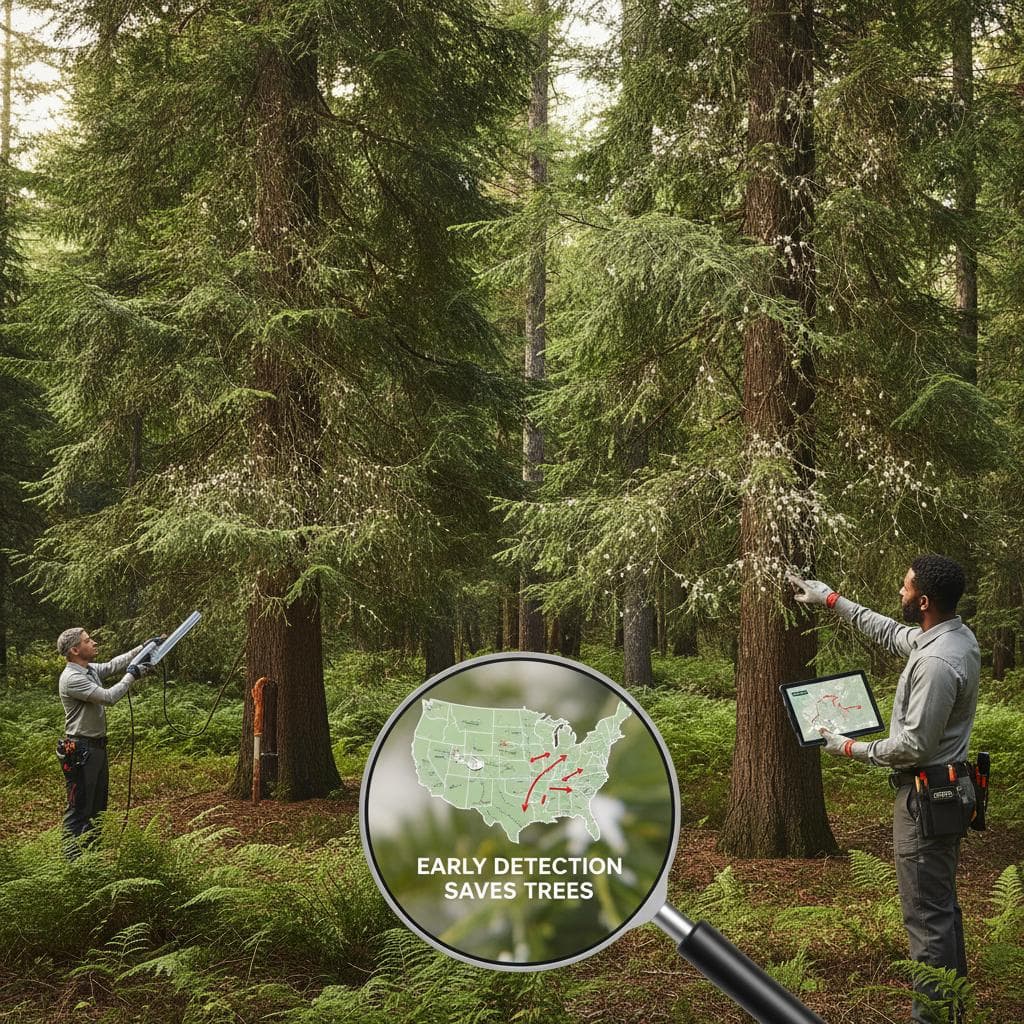
The hemlock woolly adelgid threatens Midwest hemlocks and can kill trees within seasons if untreated. Learn identification signs, compare treatment costs and methods, and select qualified arborists to protect your landscape.
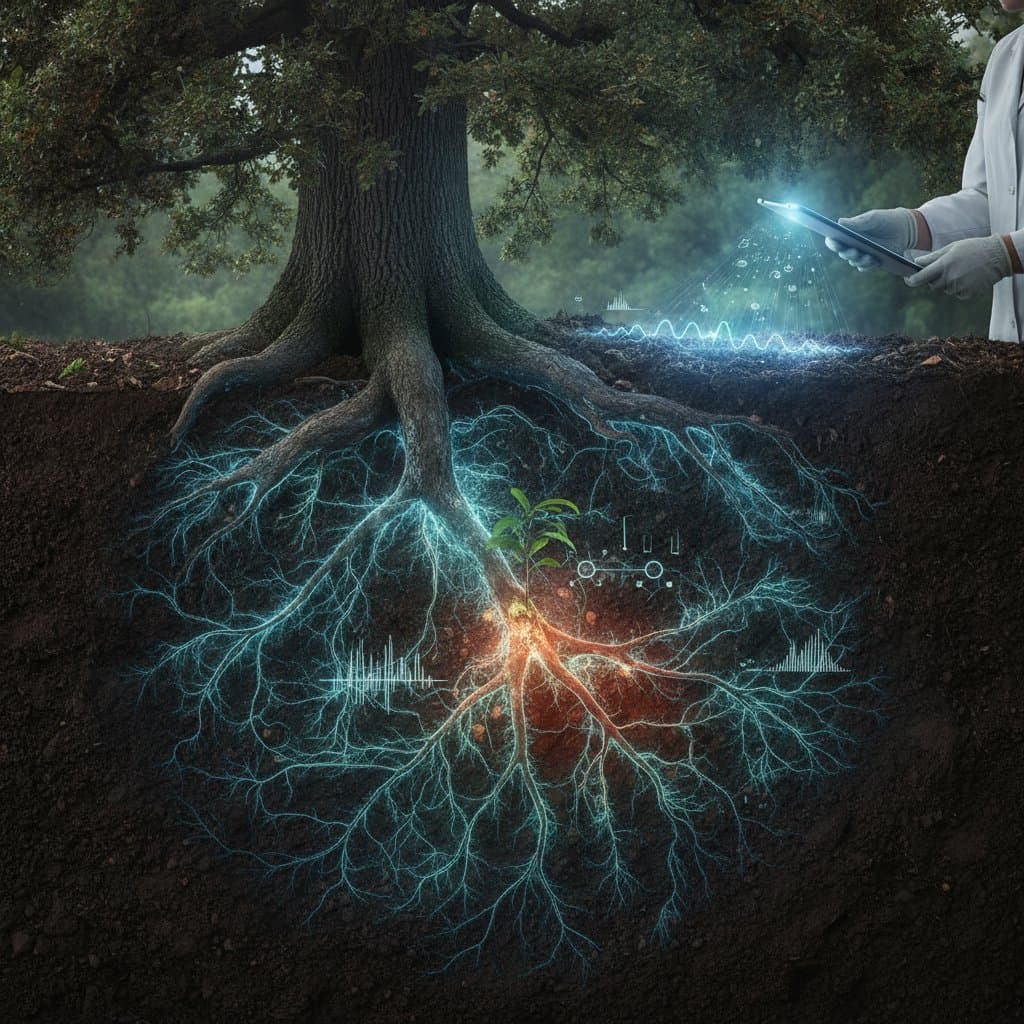
Mycelial mapping uses DNA sequencing, imaging, and AI to show fungal networks in soil. The technology delivers precise data that helps homeowners, farmers, and restoration teams improve soil health and guide practical land management choices.
Homeowners restricted by HOA landscaping rules are turning to stealth food forests, ornamental-looking gardens that secretly produce food. By layering edible trees, shrubs, and groundcovers, residents can grow fruit and herbs while staying compliant. Thoughtful design, tidy upkeep, and plant selection make these hidden harvests both beautiful and rule-abiding.
Hemlock woolly adelgid infestations push treatment costs higher through supply limits, labor shortages, and tighter regulations. This guide explains the main cost drivers, compares methods, and outlines steps to keep long-term expenses manageable.
As emerald ash borer damage reshapes landscapes, climate-smart trees offer a resilient path forward. This guide spotlights five top replacements that thrive through heat, drought, and storms while restoring shade, biodiversity, and beauty.
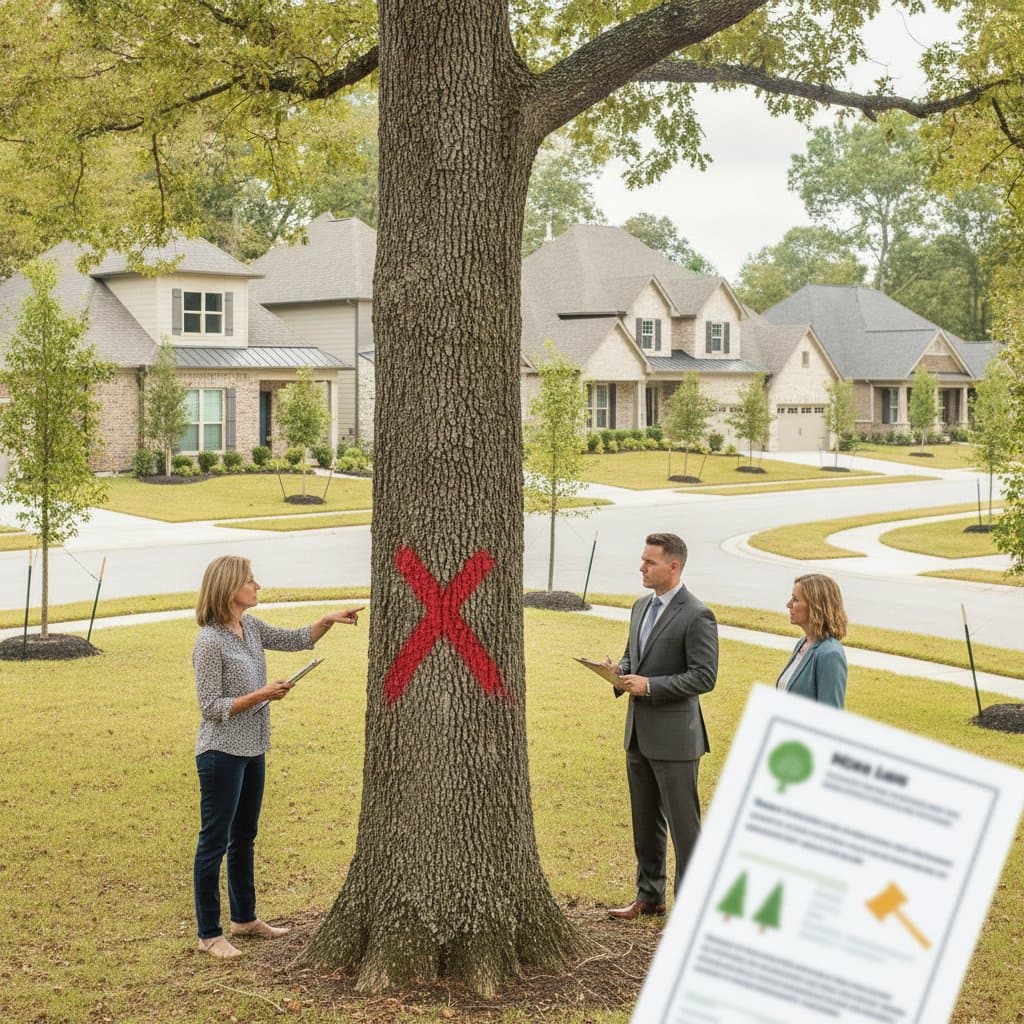
Homeowners can receive $500 or more through ash tree buyback programs that reimburse removal of infested trees. These initiatives reduce hazards, limit pest spread, and support replanting with stronger species. Follow the steps to qualify and improve your landscape.
Soil battery technology converts natural soil chemistry into steady electricity for landscape lighting. The system operates without sunlight or grid connection, offering a reliable and sustainable option for outdoor illumination.
Transforming tree waste into biochar turns disposal expenses into revenue while improving soil health and storing carbon. This guide covers costs, kiln options, and clear production steps for homeowners and professionals.
Suburban micro forests built with the Miyawaki Method convert small lots into thriving ecosystems that mature rapidly, increase biodiversity, and deliver cooling and resilience benefits to neighborhoods.
Transform stump grinding waste into biochar worth up to 500 dollars per ton. Review production costs, system options, and practical steps to create a sustainable income stream from debris.
Soil microbiome testing uncovers the hidden biology driving landscape health. By identifying beneficial and harmful microbes, it guides smarter fertilization, irrigation, and plant choices. Testing reveals imbalances early, reduces chemical dependence, and strengthens resilience.
Advanced 2026 detection tools help arborists locate Armillaria root rot early, improve treatment outcomes, and safeguard landscapes from underground fungal spread.
Oak wilt has reached eight new states and threatens landscape oaks nationwide. Early symptom recognition, root isolation, and preventive fungicide applications offer the most effective defense for homeowners.
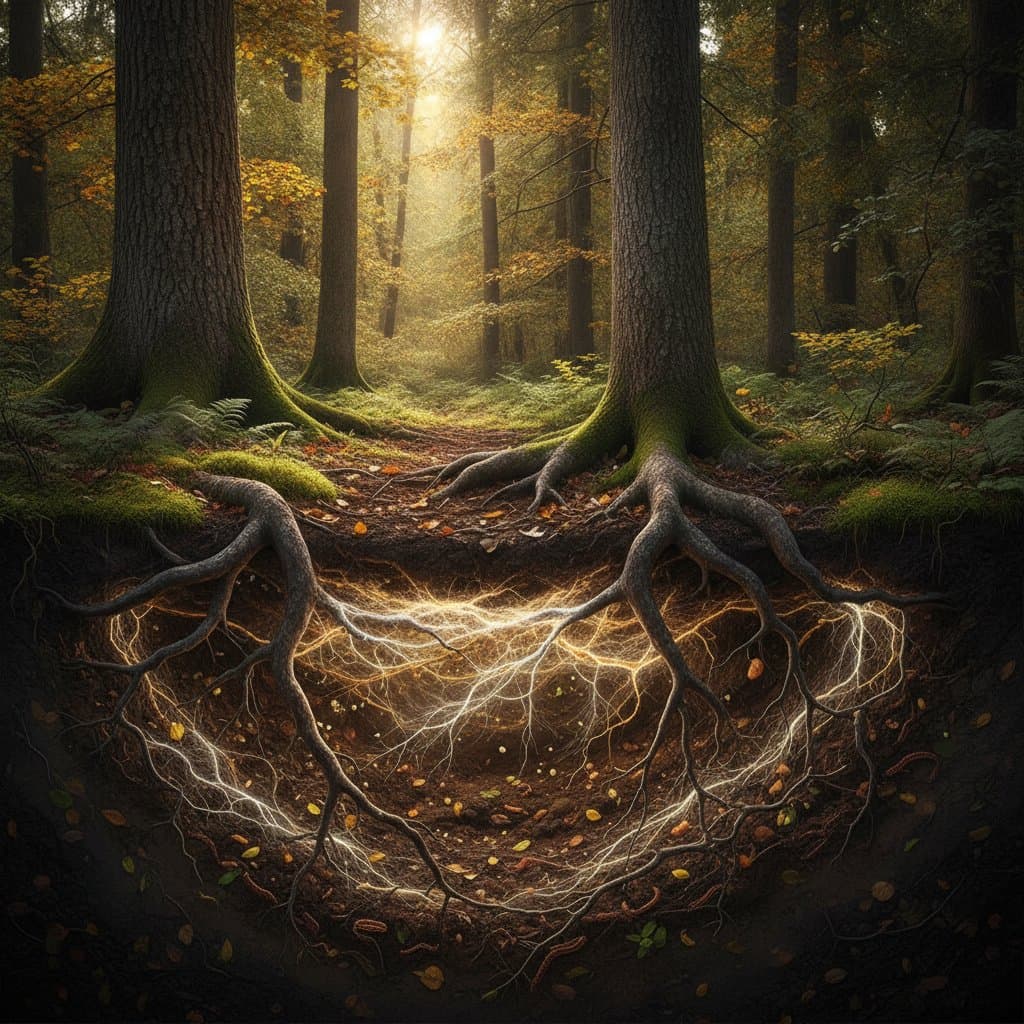
Mycelium networks connect tree roots underground, allowing nutrient and signal exchange. Arborists apply soil microbiome testing, organic treatments, and targeted inoculation to restore these systems and support resilient trees.