Landscape Design

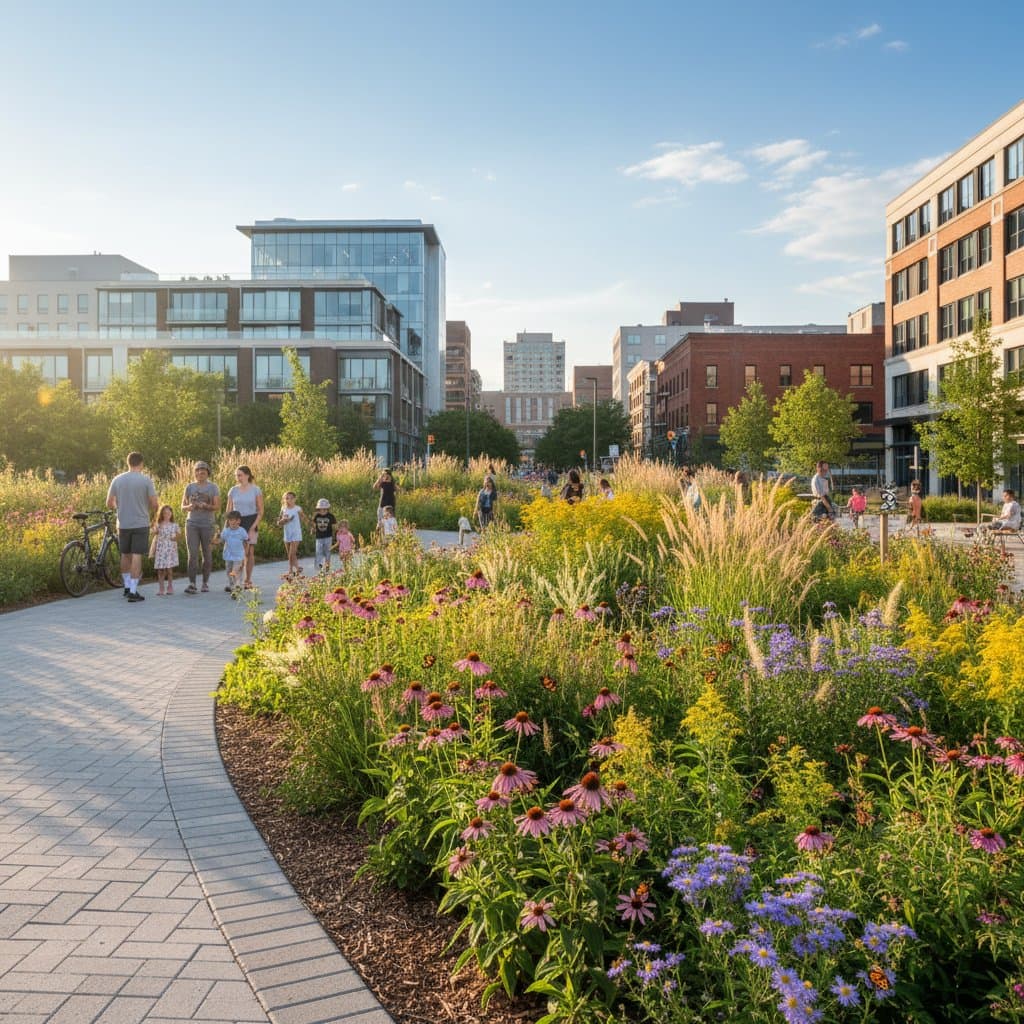
Featured image for Pollinator Gardens Slash Lawn Costs by 30 Percent

Pollinator Gardens Slash Lawn Costs by 30 Percent

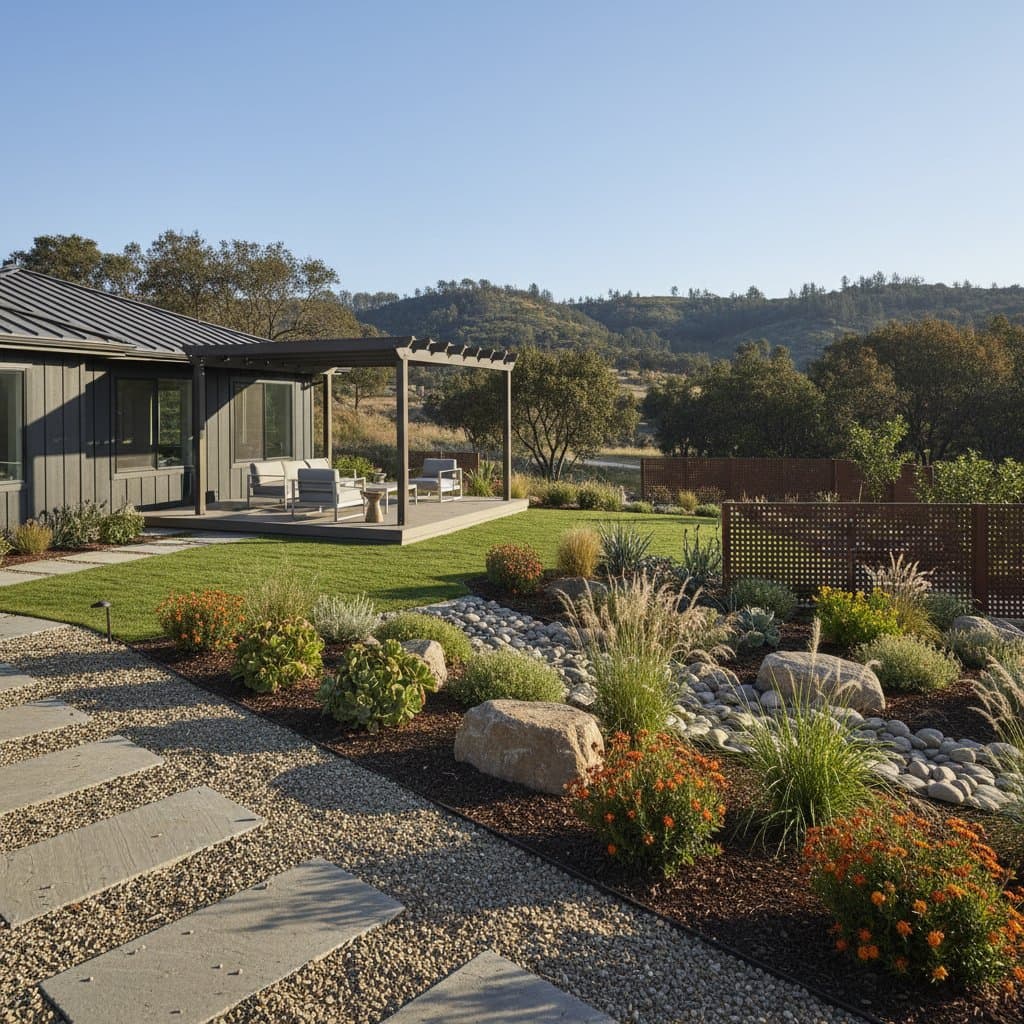
Revitalize your yard affordably by substituting turf with a pollinator garden. Native selections trim design and care costs by roughly 30%, demand little water, and invite pollinators like bees and butterflies. Explore sustainable landscaping that boosts biodiversity, cuts bills, and fosters a self-sustaining outdoor retreat.

5 min read
Featured image for Fire-Resistant Landscaping Shields Homes from Fires

Fire-Resistant Landscaping Shields Homes from Fires

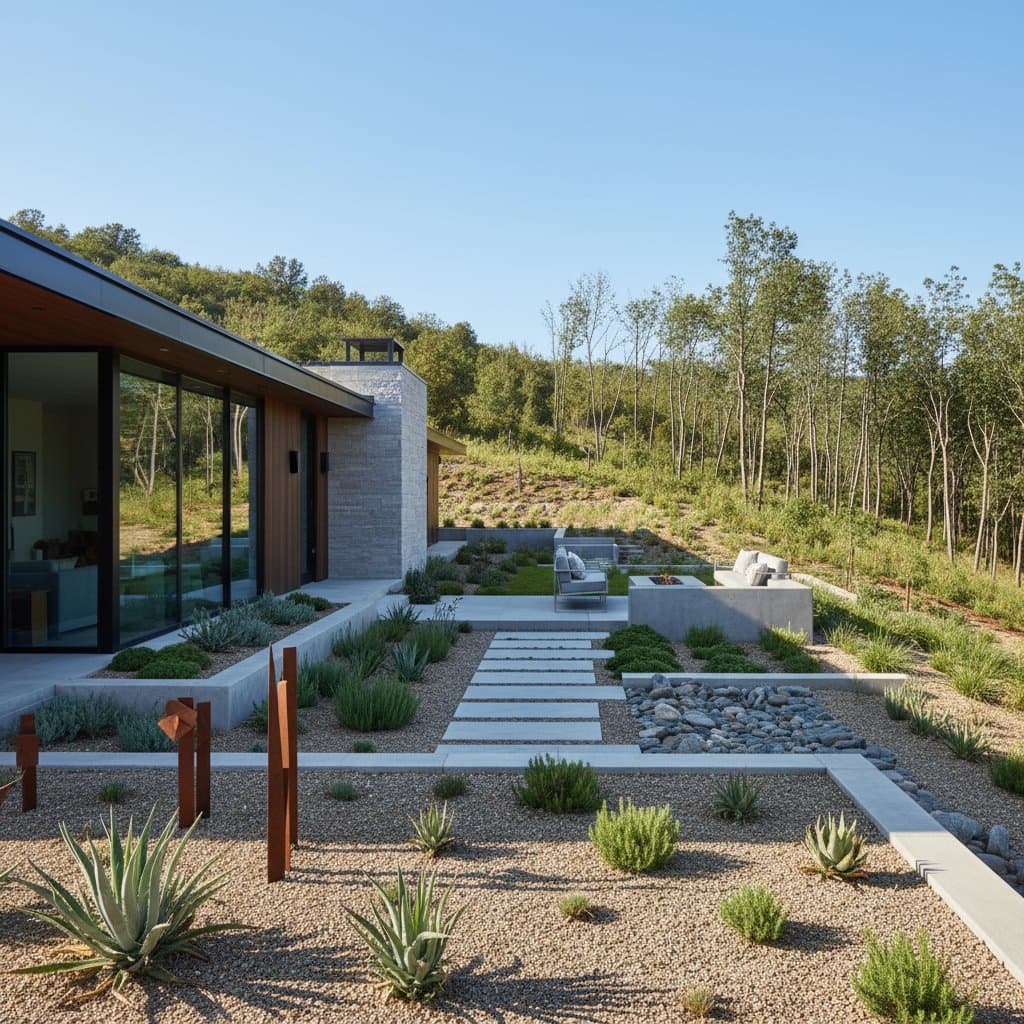
With wildfires growing more severe in 2025, fire-resistant landscaping provides homeowners with an essential shield. Strategic elements like moisture-rich plants, gravel barriers, and defensible spaces enhance safety without sacrificing curb appeal. Investment costs depend on scale, yet professional guidance and routine care yield enduring benefits for property protection and value.

6 min read
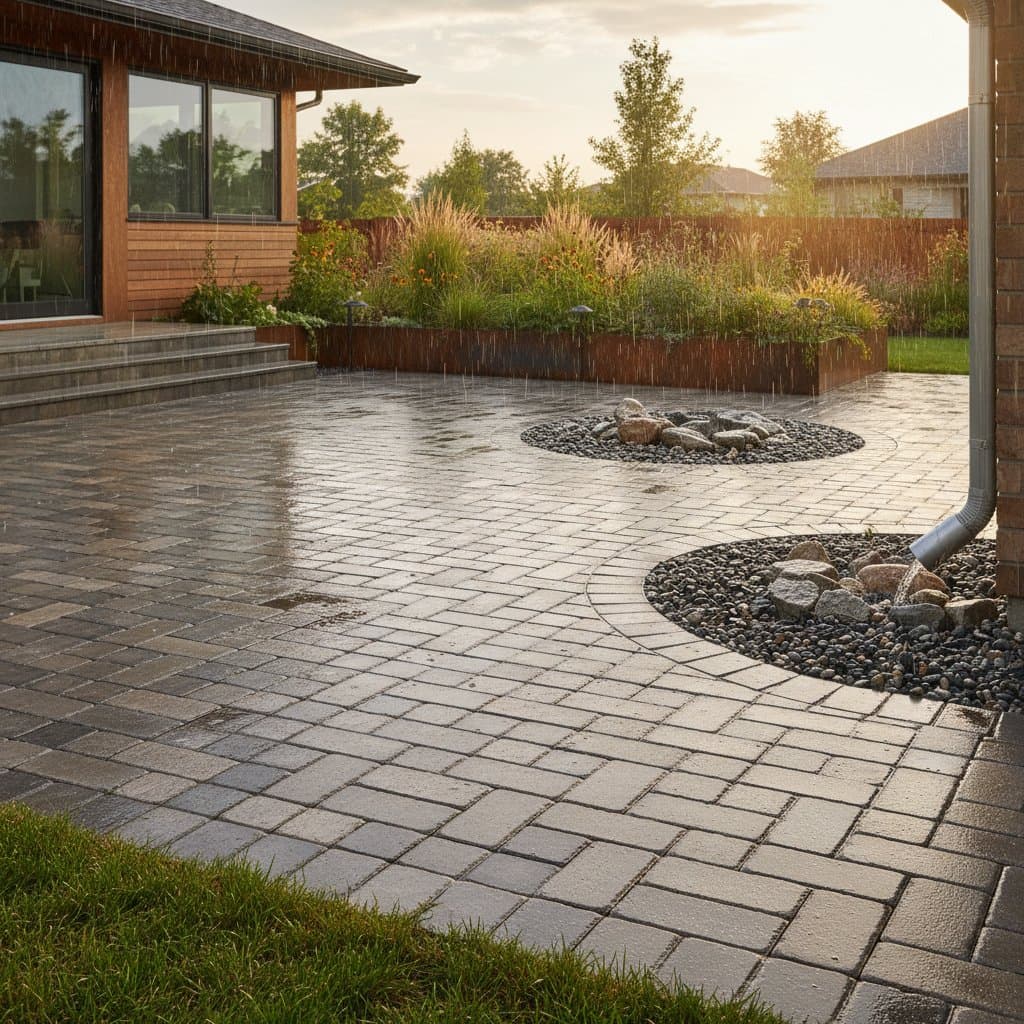
Featured image for Rain Gardens Cut Stormwater Flooding by 60 Percent

Rain Gardens Cut Stormwater Flooding by 60 Percent

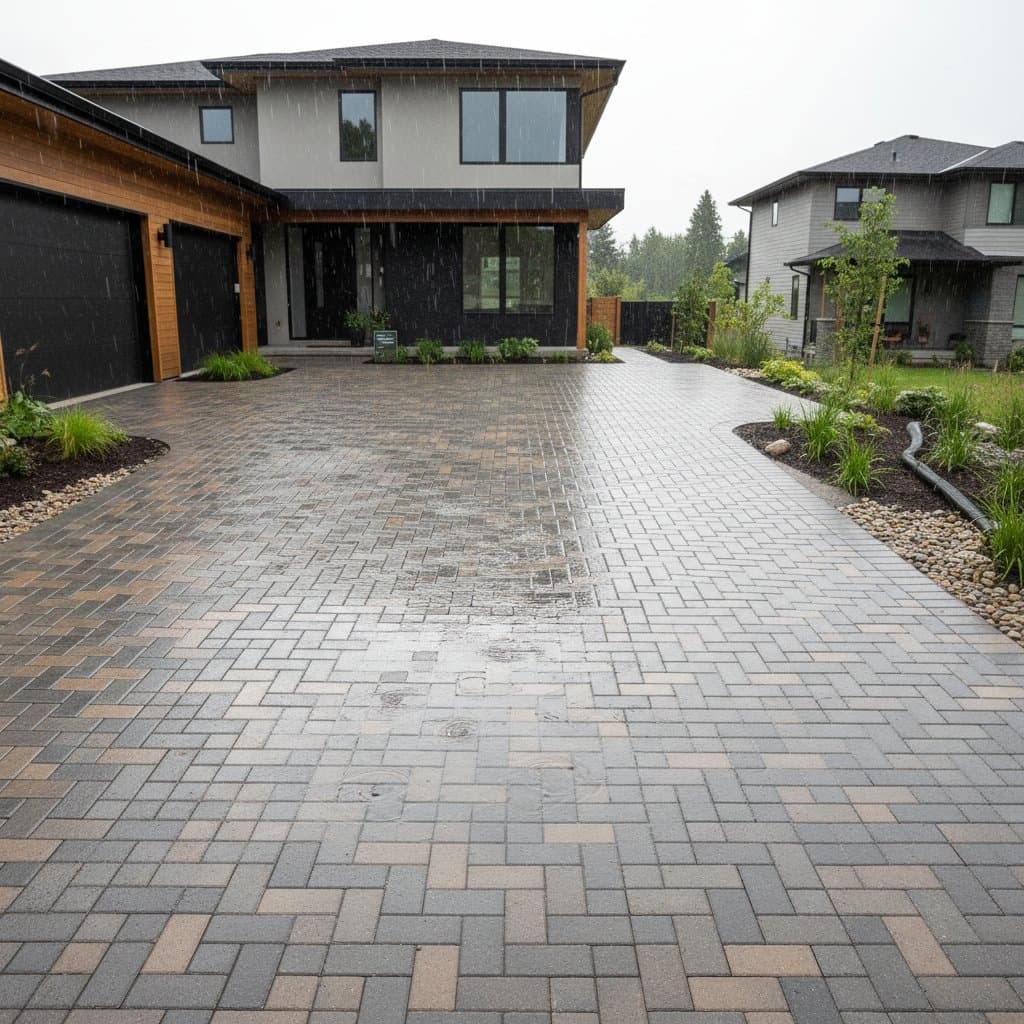
Rain gardens convert stormwater challenges into sustainable landscapes, reducing residential flooding by up to 60 percent. This resource details costs, design elements, and installation guidance for DIY or professional approaches, highlighting how native plants and effective drainage foster eco-friendly spaces that shield property, purify water, and elevate curb appeal throughout the year.

7 min read
Featured image for Micro-Forest Yards Triple Property Value Fast

Micro-Forest Yards Triple Property Value Fast

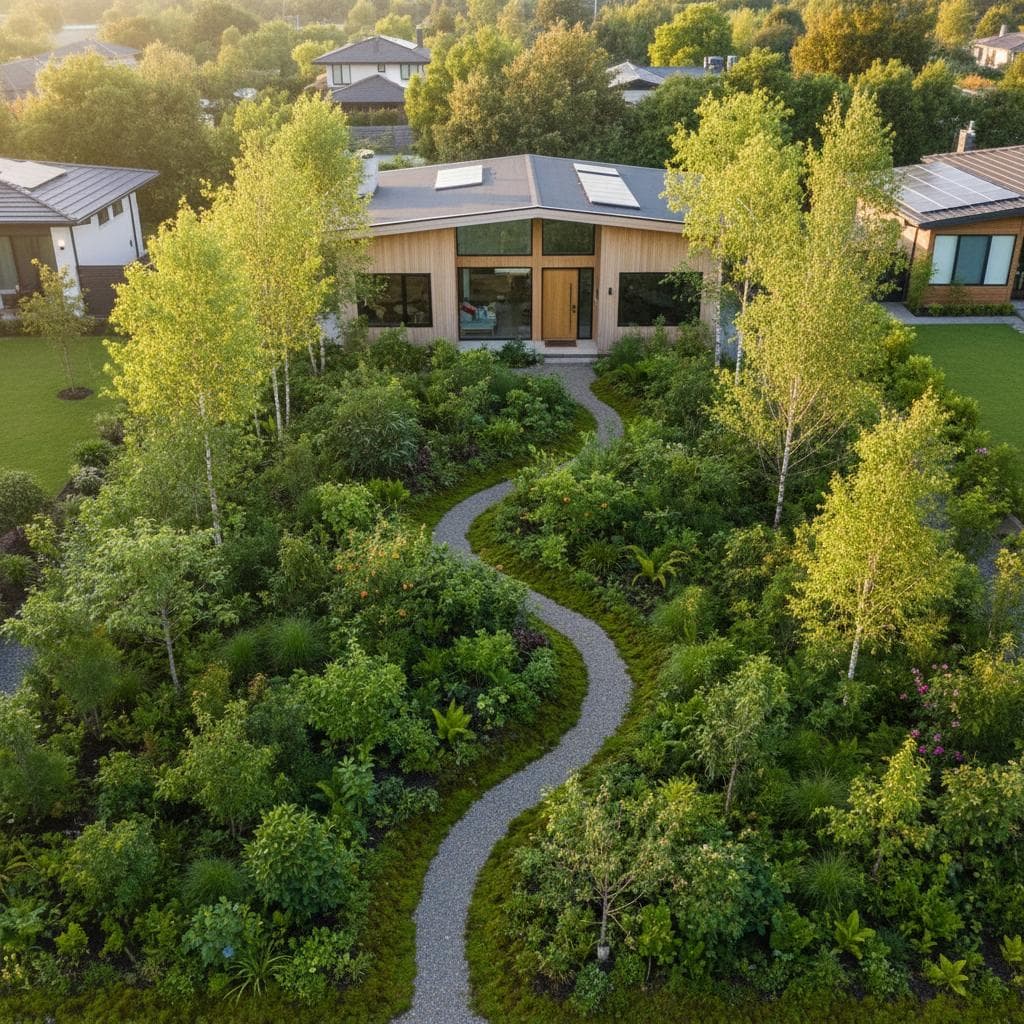
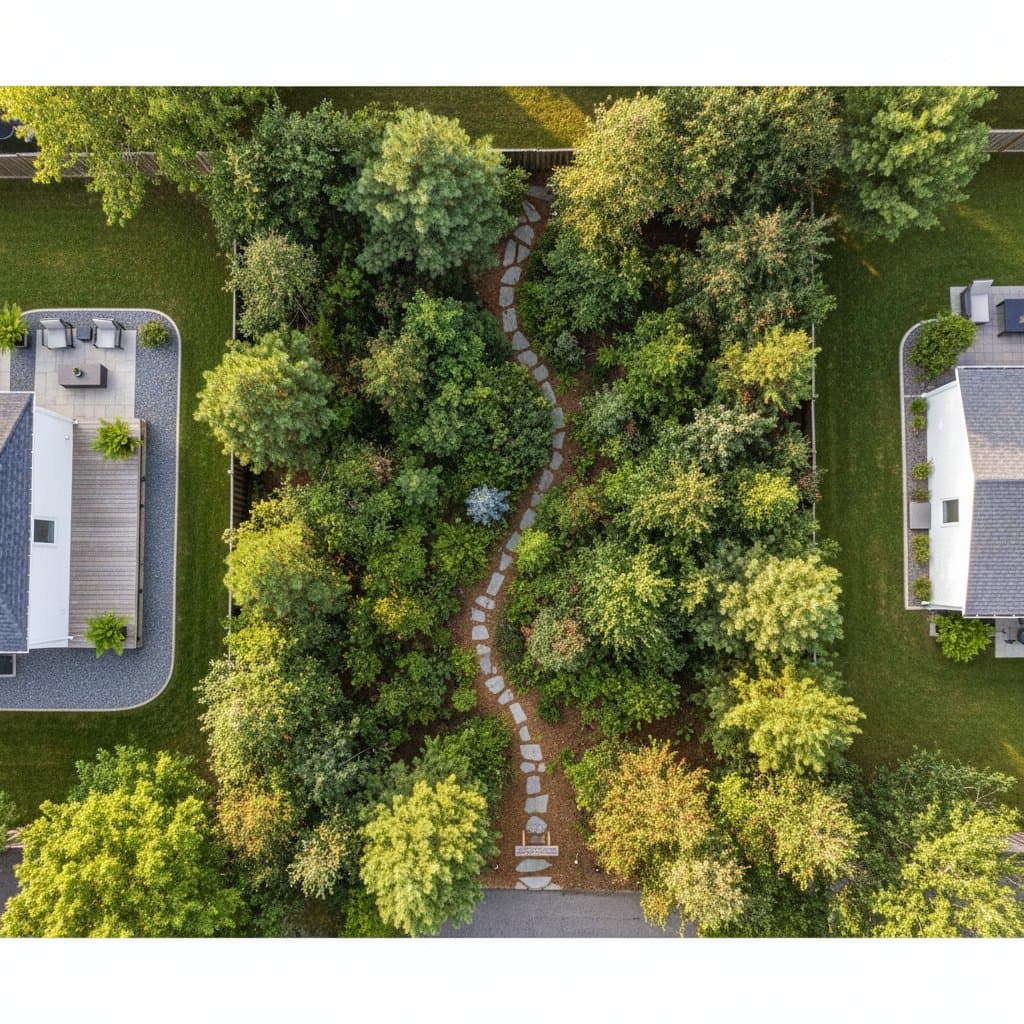
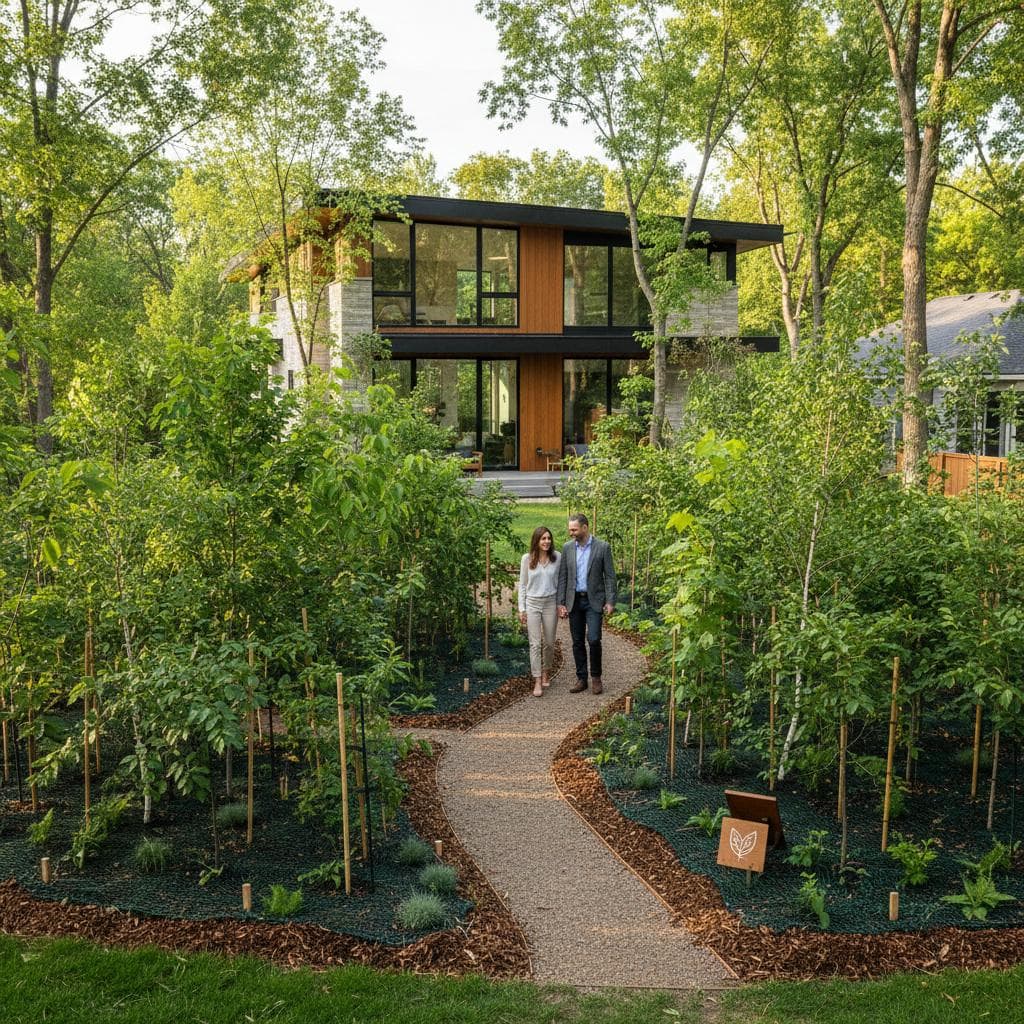
Convert ordinary lawns into micro-forests that amplify property worth threefold, minimize expenses, and advance eco-stewardship. The Miyawaki method employs dense native assemblages for quick maturation, superior aesthetics, and autonomous habitats. Explore design strategies, expert advice, and green practices to heighten your residence's market edge and planetary footprint.

7 min read
Featured image for Why Suburban Yards Are Becoming Dense Native Forests

Why Suburban Yards Are Becoming Dense Native Forests

Suburban yards are transforming as homeowners replace lawns with Miyawaki micro-forests, dense, fast-growing ecosystems of native plants. These mini-forests boost biodiversity, improve soil health, and require little upkeep once established. Learn how this eco-friendly landscaping trend enhances property value, strengthens local habitats, and helps create greener, more resilient neighborhoods across the suburbs.

7 min read
Featured image for Edible Yards Boom 300% as HOA Bans Finally Lift

Edible Yards Boom 300% as HOA Bans Finally Lift

With HOA restrictions lifting across the country, edible landscapes have surged by 300 percent, turning traditional lawns into vibrant, food-producing spaces. Homeowners now integrate fruit trees, vegetable beds, and herb gardens to promote sustainability while enhancing property aesthetics. This guide details planning costs, design principles, and upkeep methods to develop compliant gardens that deliver both visual charm and fresh produce.

5 min read
Featured image for Edible Landscaping Cuts $3K From Yard Costs

Edible Landscaping Cuts $3K From Yard Costs

Convert your yard into a productive food source and achieve up to $3,000 in yearly savings through edible landscaping. Swap decorative flora for fruit trees, herbs, and veggies to lower food and care costs, promote eco-friendliness, and elevate real estate appeal—explore designs that deliver enduring fiscal and planetary benefits.

7 min read