
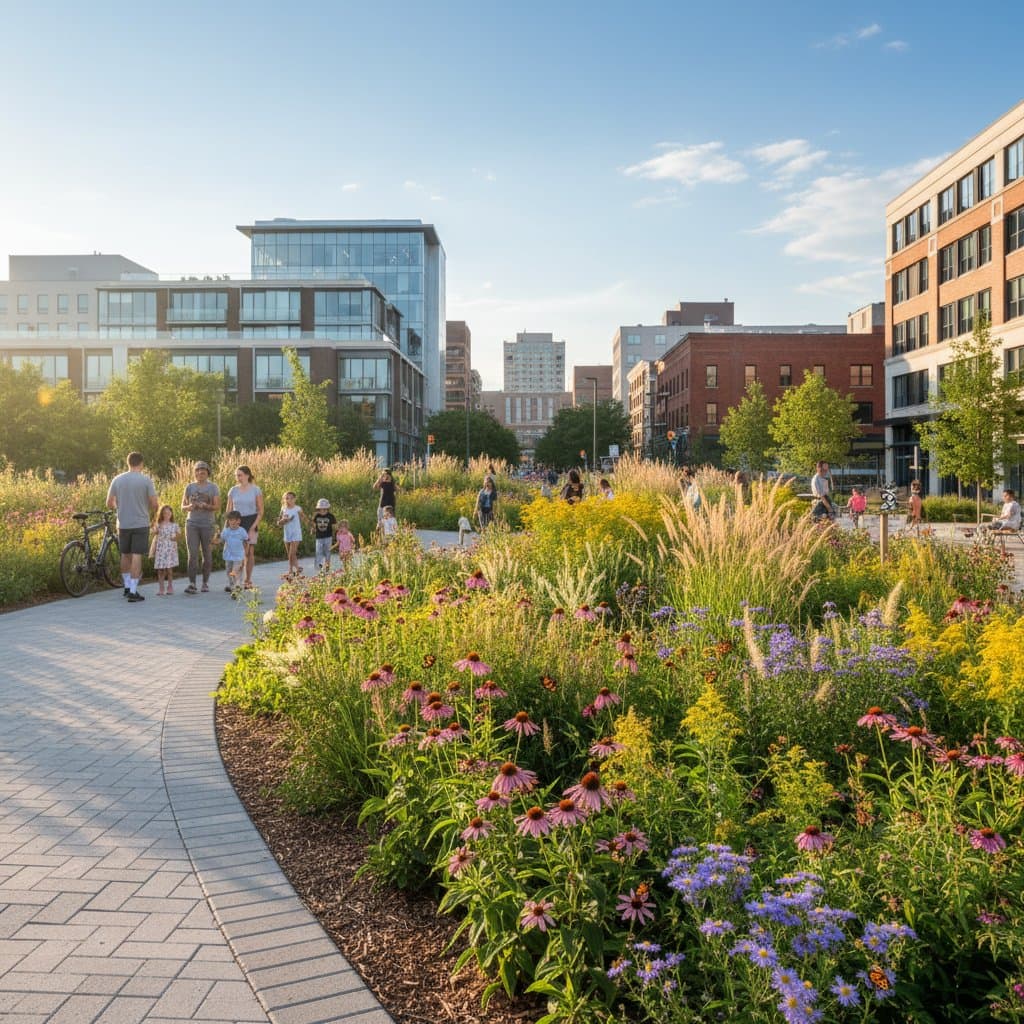
Why 200+ Cities Ditch Lawns for Pollinator Paths
Across hundreds of cities, a significant change is emerging in urban landscapes. Homeowners, community leaders, and environmental advocates replace traditional grass lawns with vibrant corridors of native plants called pollinator paths. This movement extends beyond a simple landscaping choice; it represents a deliberate effort to support bees, butterflies, and other vital pollinators while fostering attractive, low-maintenance outdoor areas.
This guide examines the reasons communities abandon turf grass, the advantages of pollinator-friendly designs for ecosystems and property owners, and practical steps to participate in the pollinator pathway initiative from your own property.
Reasons Cities Adopt Pollinator Pathways
The expansion of pollinator pathways stems from increased recognition of traditional lawns' environmental drawbacks. Turf grass demands regular mowing, substantial irrigation, and applications of chemical fertilizers or pesticides, all of which degrade soil quality and threaten wildlife populations.
In response, cities promote the substitution of turf with native flowering plants, which conserve water, minimize upkeep, and enhance biodiversity. Municipalities now incentivize residents to transform portions of yards, street medians, or public areas into pollinator habitats. When implemented collectively, these efforts create interconnected corridors that bolster urban ecology and promote community health.
For instance, programs in cities like Seattle and Denver provide rebates for native plant installations, demonstrating how local policies accelerate this transition. Such initiatives not only reduce municipal water usage by up to 50 percent in participating areas but also foster educational workshops that engage residents in conservation efforts.
Essential Components of a Pollinator Pathway
Effective pollinator corridors rely on targeted design principles that cities and individuals apply at various scales. These elements ensure sustained support for pollinators while integrating seamlessly into urban settings.
- Diverse Native Plants: Select a variety of wildflowers, shrubs, and small trees that flower across seasons, such as spring-blooming serviceberry and fall-blooming asters, to provide year-round nectar and pollen.
- Chemical-Free Care: Eliminate synthetic pesticides and herbicides to protect pollinator health; instead, employ manual weeding or companion planting with pest-repelling natives like yarrow.
- Varied Habitat Features: Incorporate bunchgrasses for ground-nesting bees, dead wood for butterfly pupation, and exposed soil patches to accommodate solitary species that comprise 70 percent of native bee populations.
- Strategic Linkages: Position plantings to connect private gardens with nearby parks or greenways, enabling safe pollinator travel and amplifying the corridor's reach across neighborhoods.
Homeowners can begin by mapping their yard to identify sunny, well-drained spots ideal for these features. Consulting local native plant guides ensures selections thrive in regional climates, maximizing long-term success.
Debunking Myths About Lawn Replacement
Several misconceptions deter people from adopting pollinator paths, yet evidence shows these concerns are unfounded with proper planning.
Myth 1: Pollinator gardens appear unkempt.
Thoughtful layouts counteract this impression. Install edging stones to define boundaries, apply organic mulch to suppress weeds, and group plants by height for a layered, polished aesthetic that rivals formal gardens.
Myth 2: Native plants invite harmful pests.
Balanced ecosystems self-regulate through natural predators. While pollinator gardens support a range of insects, including beneficial ones like ladybugs, significant crop or structural damage remains rare; focus on resilient natives to minimize issues.
Myth 3: Establishing a pollinator garden costs a fortune.
Affordable entry points abound. Source seeds from bulk suppliers for under $20 per packet, participate in community plant exchanges, or attend free native plant giveaways hosted by botanical societies. Mature plants then propagate via rhizomes or seeds, reducing future expenses.
Myth 4: It diminishes functional yard areas.
Integration preserves usability. Design narrow strips along property edges or incorporate pollinator beds into vegetable gardens, leaving ample room for recreation. Vertical elements like trellised vines even expand habitat without encroaching on open space.
Addressing these myths through local demonstration sites helps build confidence among hesitant residents.
Guidance for Homeowners Entering the Movement
Before launching a pollinator project, evaluate your site's soil type and sunlight exposure using simple tests from extension services. Amend clay-heavy soils with compost to improve drainage, ensuring plants establish strong roots.
Engage neighbors early by sharing resources on pollinator benefits, such as improved local fruit yields from enhanced pollination. This dialogue prevents misunderstandings and may inspire collaborative efforts, like shared boulevard plantings.
Monitor progress seasonally; thin overcrowded areas in spring and add winter interest with evergreens to maintain appeal year-round.
Steps to Build and Sustain Your Pollinator Pathway
Embarking on a pollinator pathway project empowers individuals to contribute meaningfully to ecological restoration. Select a starting area, source appropriate plants, and commit to organic maintenance practices that yield visible results within the first season.
As your pathway matures, document its impact—note increased butterfly sightings or reduced watering needs—to share with your community. These efforts weave personal spaces into a resilient network that safeguards pollinators, optimizes resource use, and redefines urban greenery as a force for positive change.