8 Cities Now Require Rain Gardens for Stormwater
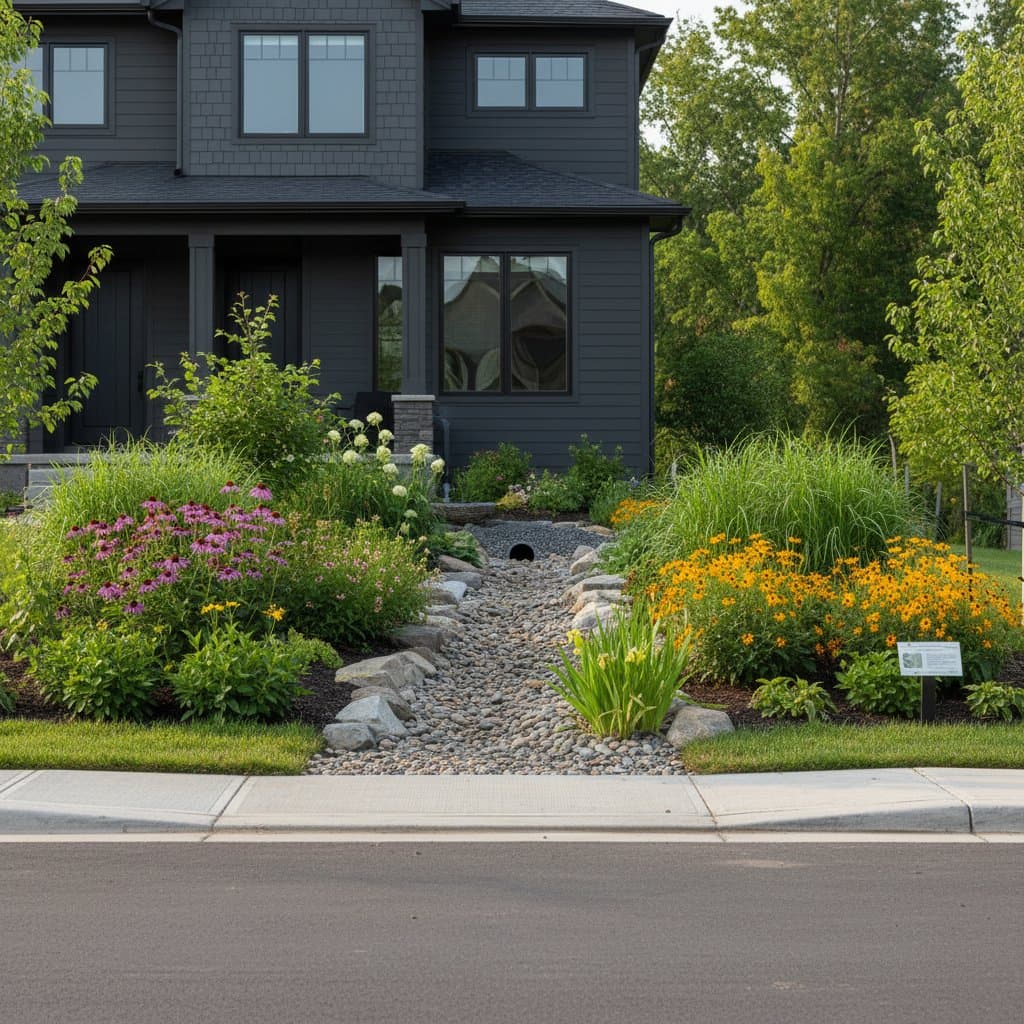
Eight leading U.S. cities mandate rain gardens by 2025 to manage stormwater runoff and elevate water quality. These natural filters combat pollution, ease flooding, and align with green initiatives.
Loading...
Eight leading U.S. cities mandate rain gardens by 2025 to manage stormwater runoff and elevate water quality. These natural filters combat pollution, ease flooding, and align with green initiatives.
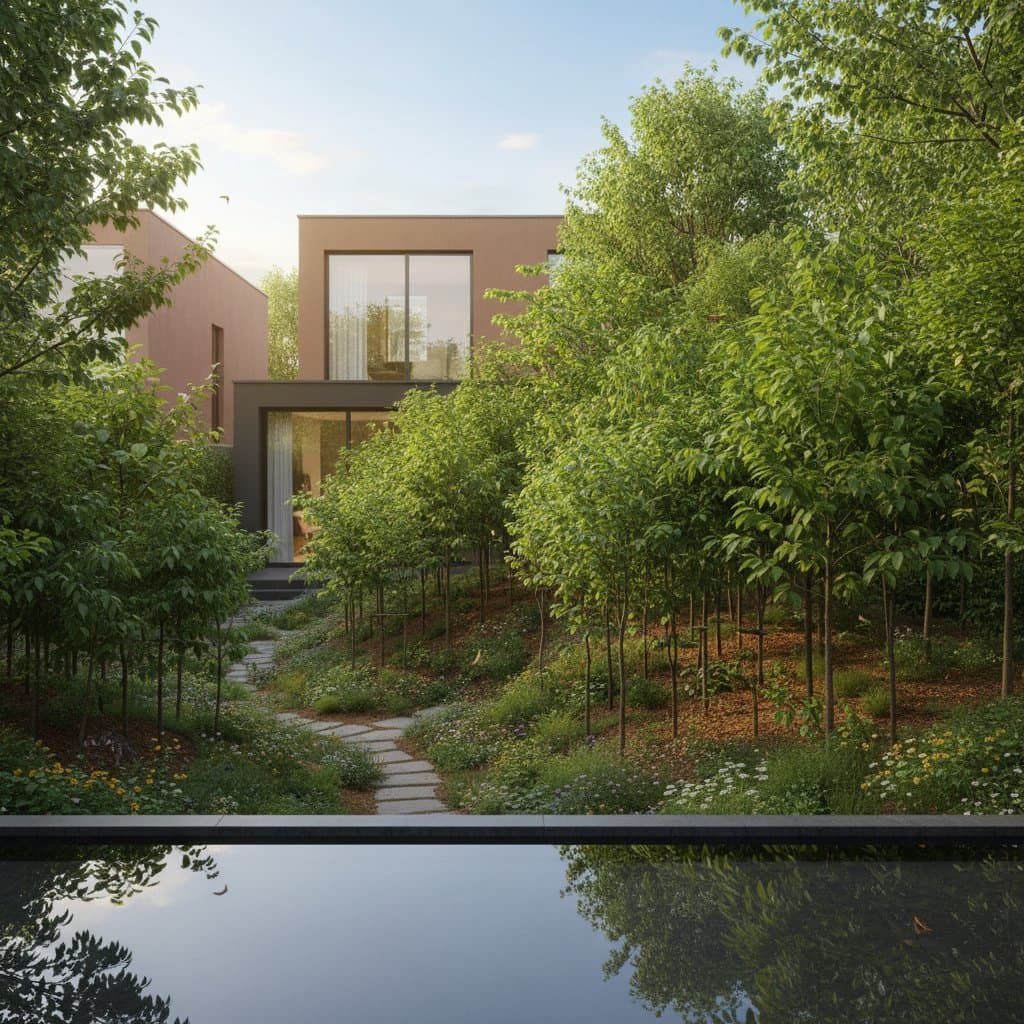
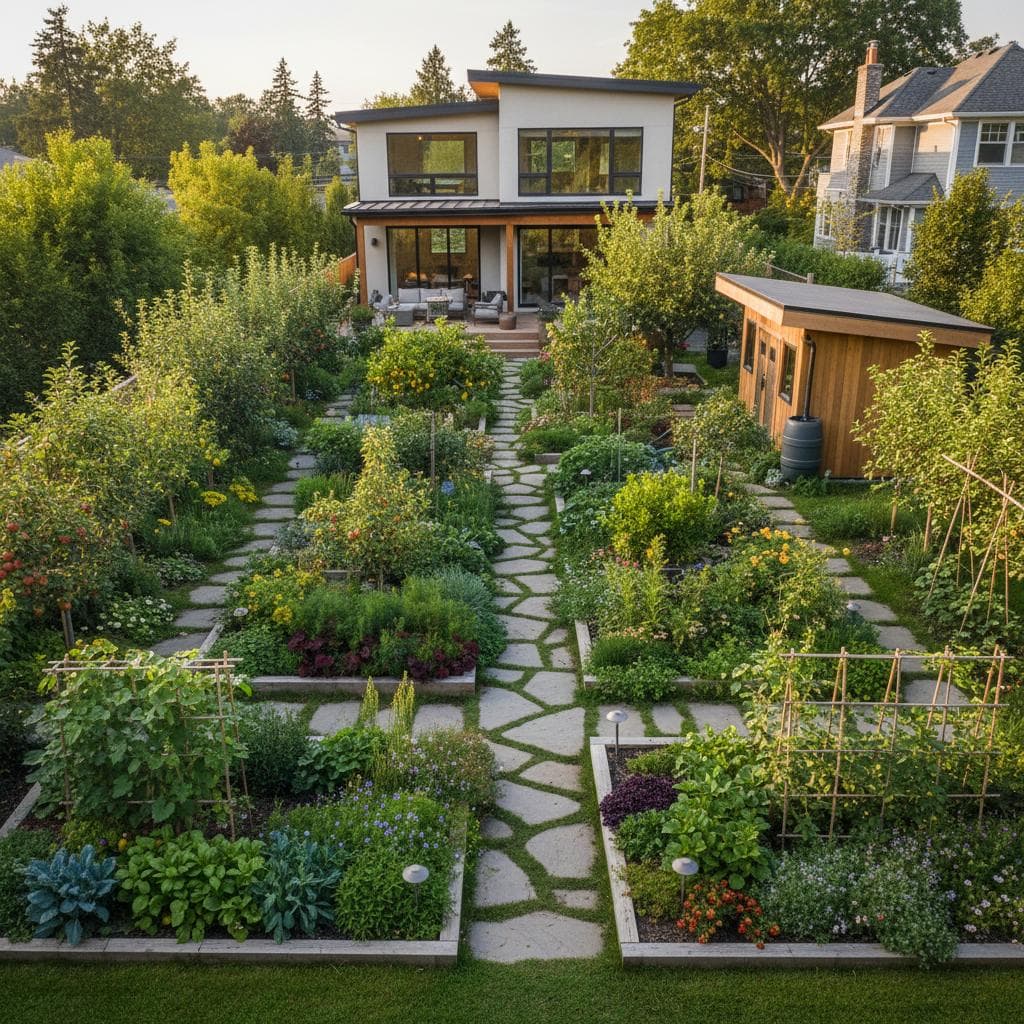
Transform your yard from ornamental to productive with food forests that boost property values by up to 85% and deliver fresh, homegrown food. These eco-friendly designs combine beauty, sustainability, and financial savings through layered plantings and smart strategies. Explore expert tips on plant choices, installation steps, and maximizing returns for a self-sustaining outdoor haven.
In 2025, forward-thinking homeowners convert manicured lawns into edible landscapes that unite visual elegance with practical food production. These dynamic gardens incorporate fruit trees, herbs, and vegetables to foster biodiversity, cut maintenance costs, and advance sustainable lifestyles, reshaping the essence of contemporary outdoor spaces.
Soil microbiome testing revolutionizes gardening in 2025 by unveiling the microbial forces shaping plant success. Gain knowledge on bacteria, fungi, and nutrient interactions to promote healthier soils, cut chemical dependencies, and build enduring outdoor spaces. Delve into affordable testing methods, expert guidance, and strategies for lasting soil vitality.
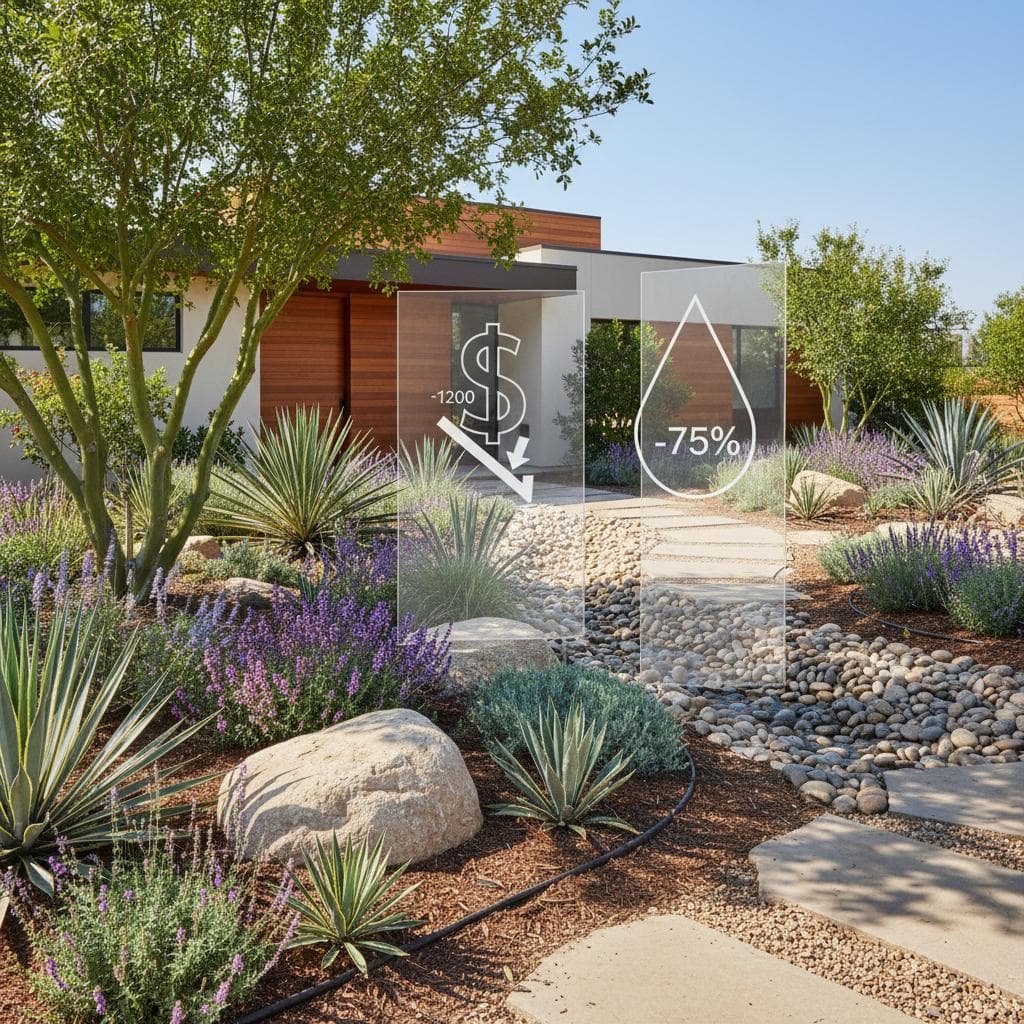
Reduce water costs by up to $1,200 yearly through xeriscaping, which merges aesthetics with eco-efficiency. Explore drought-hardy plants, smart irrigation, and design tips to decrease usage by 75 percent, elevate home value, and secure ongoing savings with ease.
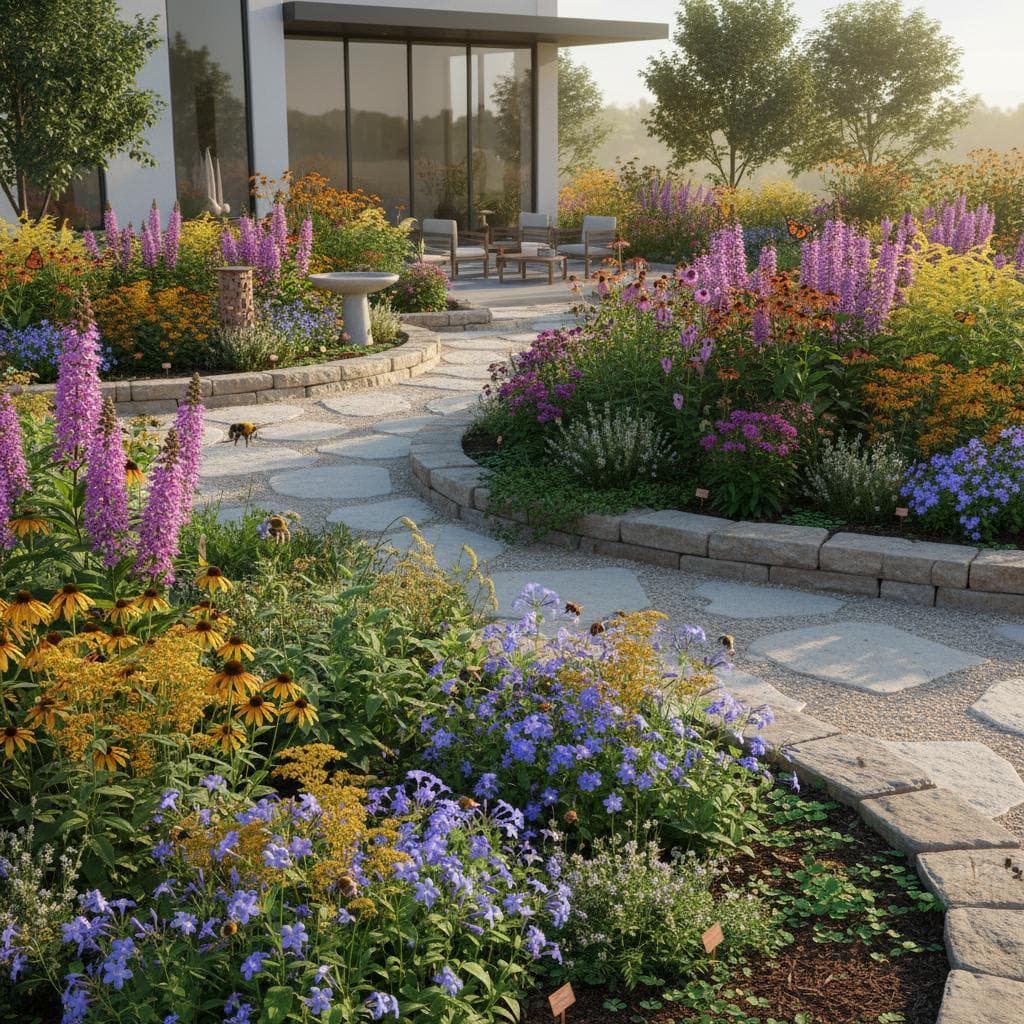
Staggered blooms ensure gardens remain alive with pollinators across seasons. Strategic native plant choices support biodiversity, pollination, and enduring landscape appeal through careful seasonal planning.
Eight Western states have implemented requirements for fire-resistant landscaping in high-risk wildfire areas. These regulations guide homeowners in establishing defensible zones, selecting appropriate vegetation, and incorporating non-combustible elements. Such measures not only ensure regulatory compliance but also safeguard properties, lower maintenance needs, and foster resilient outdoor environments.
The 2025 landscaping codes mark a shift in storm preparation, empowering homeowners to craft yards that withstand hurricanes while preserving aesthetic appeal. These guidelines cover tree choices, spacing techniques, drainage solutions, and robust materials to shield properties and foster community resilience. Discover practical strategies for converting at-risk landscapes into durable, storm-proof havens.
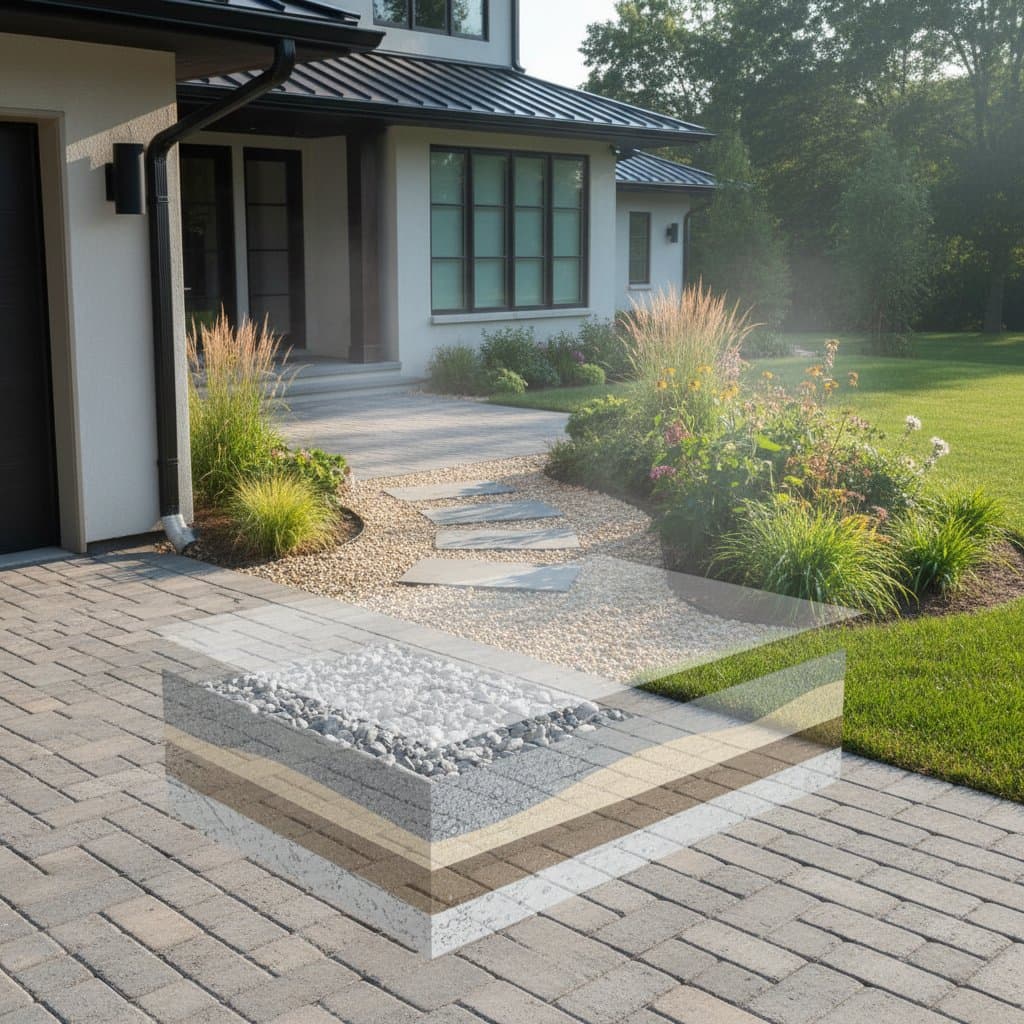
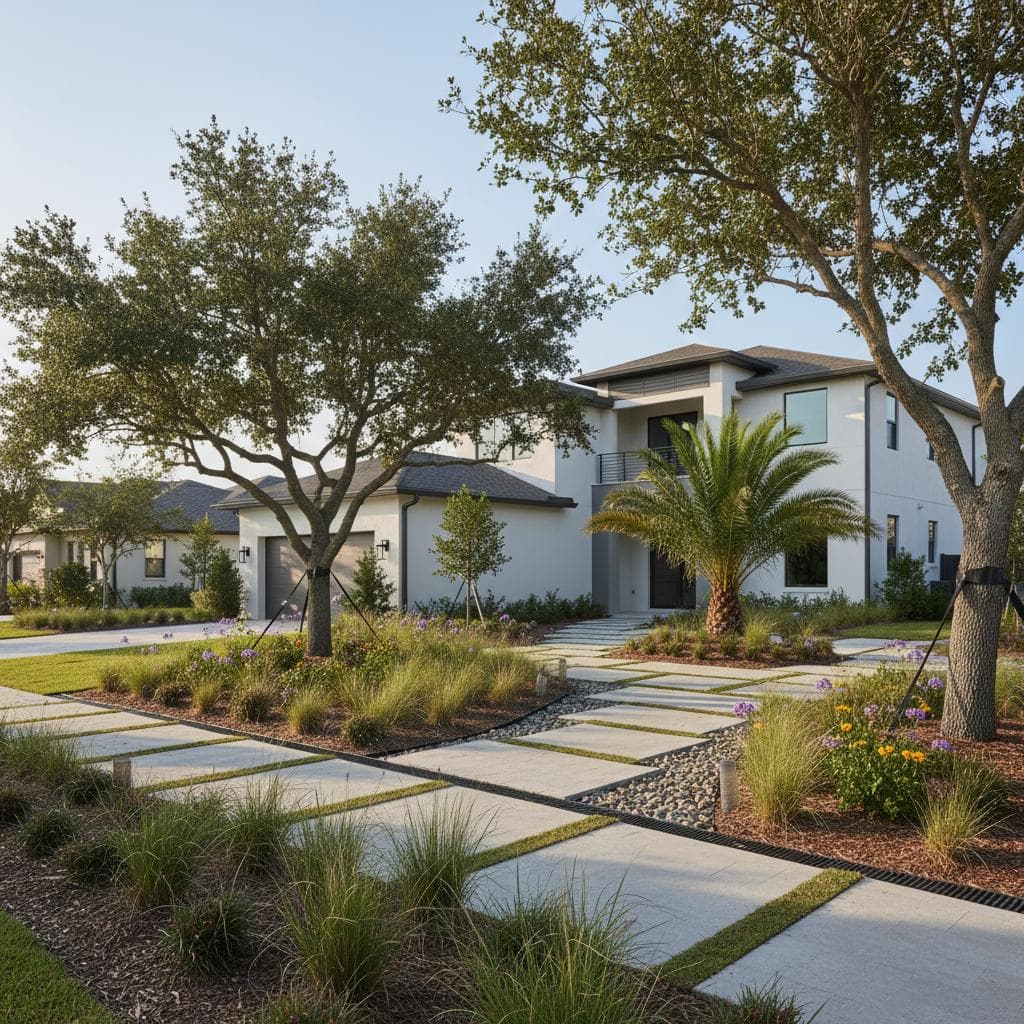
In 2025, eight U.S. cities mandate permeable hardscapes for driveways, patios, and walkways to address stormwater challenges. These regulations promote eco-friendly materials that mitigate flooding and pollution. Discover the cities involved, compliant options, and steps for property owners to adapt.
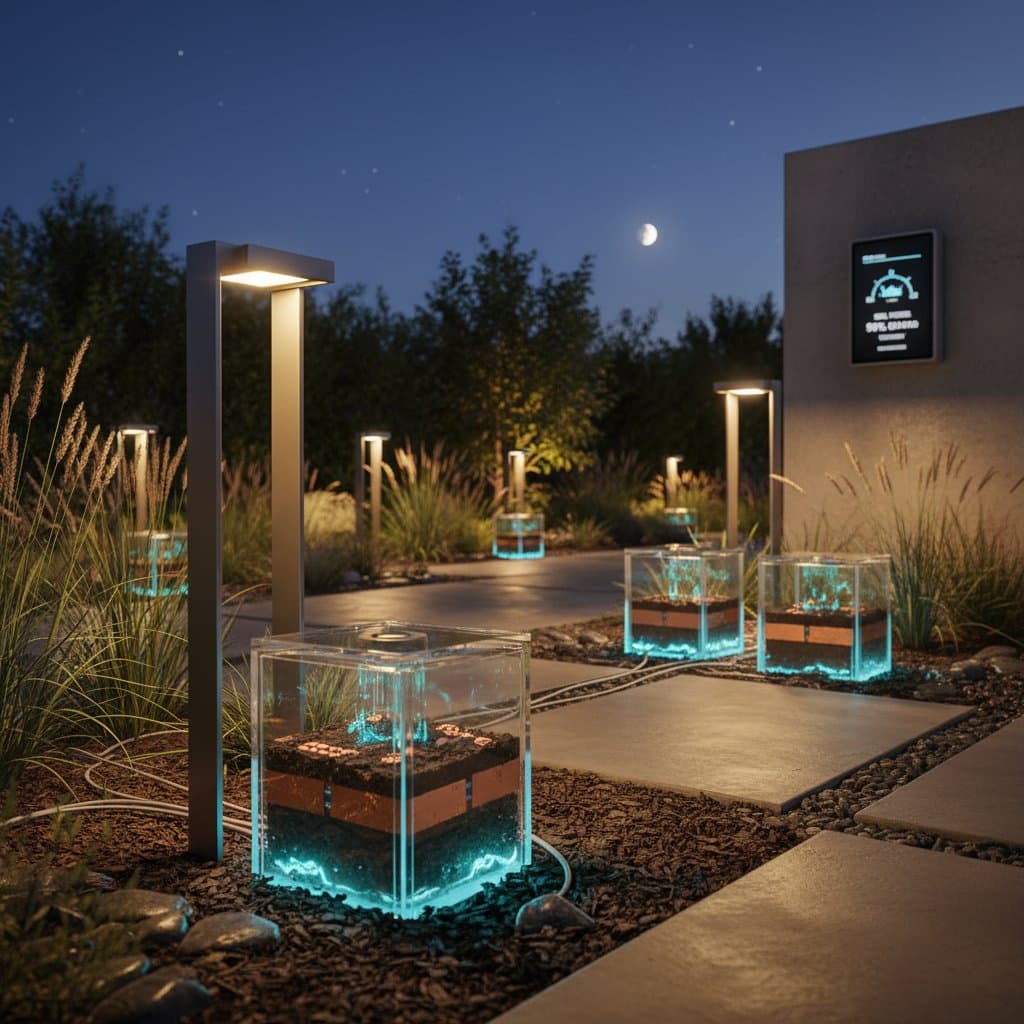
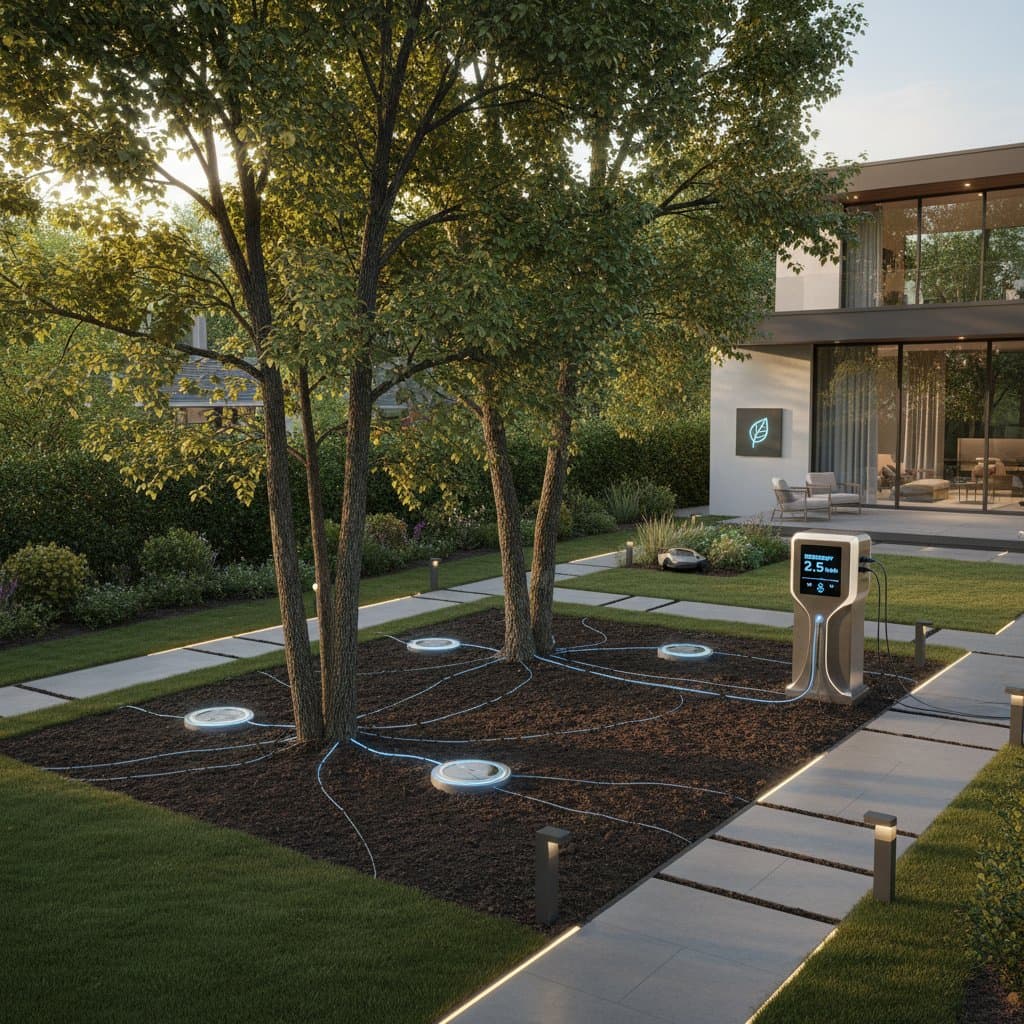
Transform your yard into a sustainable energy source using soil battery technology. This system leverages interactions among trees, roots, and soil microbes to produce electricity for outdoor applications. Review system mechanics, costs, suitable trees, and installation guidance for a self-sufficient landscape in 2025.
Rigid HOA policies once blocked xeriscaping, but in 2025, they drive a national shift toward sustainable yards. With escalating water bills and eco-conscious priorities, homeowners convert traditional lawns into resilient, low-maintenance designs. Discover regulatory changes, design strategies, and collaboration tactics that align xeriscaping with HOA standards for enduring beauty and efficiency.
Homeowners increasingly adopt fire-resistant landscaping to safeguard properties and secure insurance savings of up to 25% in 2025. This method integrates safety, environmental benefits, and aesthetic appeal via defensible zones, native species, and efficient irrigation. Discover associated costs, design techniques, and expert advice for developing a durable, insurance-endorsed landscape resilient to wildfire threats.
Pollinator gardens elevate home value through sustainable beauty and ease of care. Native plants draw pollinators, showcase eco-responsibility, and amplify attractiveness with seasonal blooms and robust trees. Explore eco-landscaping strategies that unlock greater property potential.
Eight states mandate permeable hardscaping to address flooding, safeguard water quality, and align with federal stormwater regulations. These innovative surfaces permit rainwater to infiltrate the soil, minimizing runoff and pollution. Homeowners gain compliance assurance, reduced upkeep expenses, and opportunities for incentives, fostering more sustainable and resilient communities across the nation.
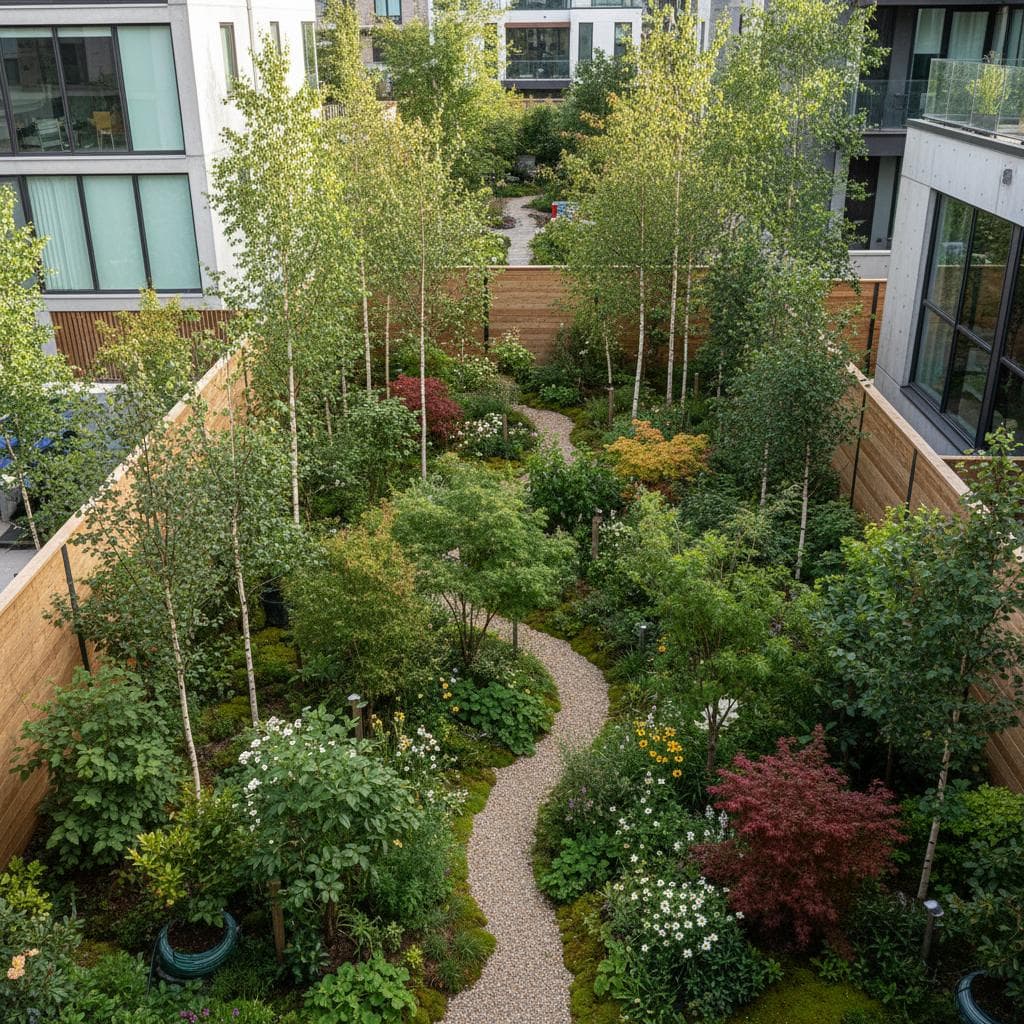
Convert 200 square feet of yard space into a vibrant micro-forest that elevates property value by as much as $8,000. This approach enhances biodiversity, minimizes maintenance, and strengthens curb appeal. Review installation costs, design advice, and options for DIY or professional setup to maximize your sustainable landscaping investment.
More than 200 cities lead the charge in replacing lawns with pollinator paths—networks of native plants that nourish bees, butterflies, and ecosystems. These sustainable designs lower water bills, ease yard care, and unite communities in environmental stewardship. Learn how to transform your space into a pollinator haven that supports wildlife and enhances local beauty.
New permeable surface regulations in eight states are revolutionizing landscaping by prioritizing eco-friendly hardscapes for superior stormwater control. This resource breaks down state-specific rules, compliance essentials, and tactics for landscapers to convert mandates into sustainable innovations, client satisfaction, and market leadership.
From 2025, California, Colorado, and six other states enforce fire-safe yard standards to curb wildfire spread. This resource covers defensible space essentials, typical expenses, landscaping techniques, and professional hiring tips for compliance and resilience.
Homeowners increasingly replace lawns with edible gardens producing up to $8,000 in annual value, while boosting soil quality and wildlife. Explore costs, landscape varieties, installation choices, and proven steps to build efficient, eco-friendly yards that save time and money.
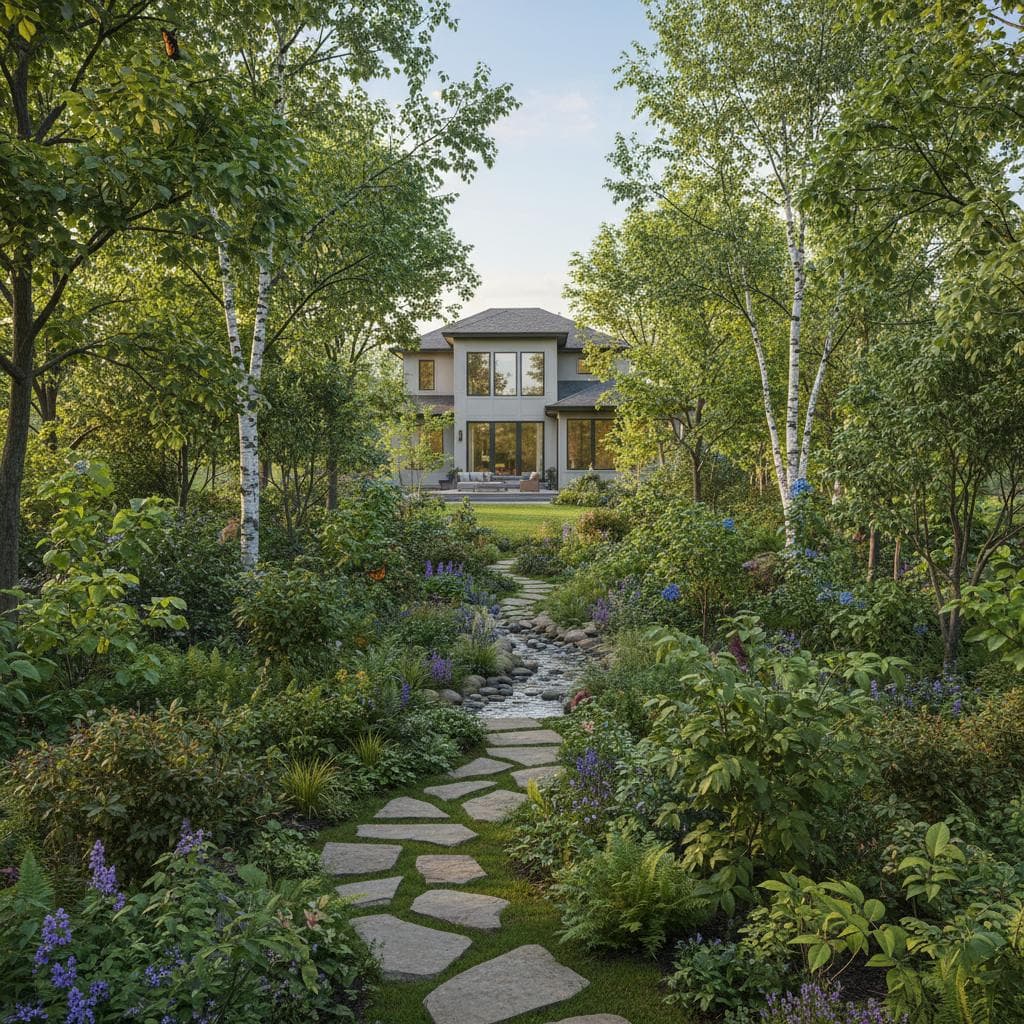
Revitalize your yard affordably by substituting turf with a pollinator garden. Native selections trim design and care costs by roughly 30%, demand little water, and invite pollinators like bees and butterflies. Explore sustainable landscaping that boosts biodiversity, cuts bills, and fosters a self-sustaining outdoor retreat.