
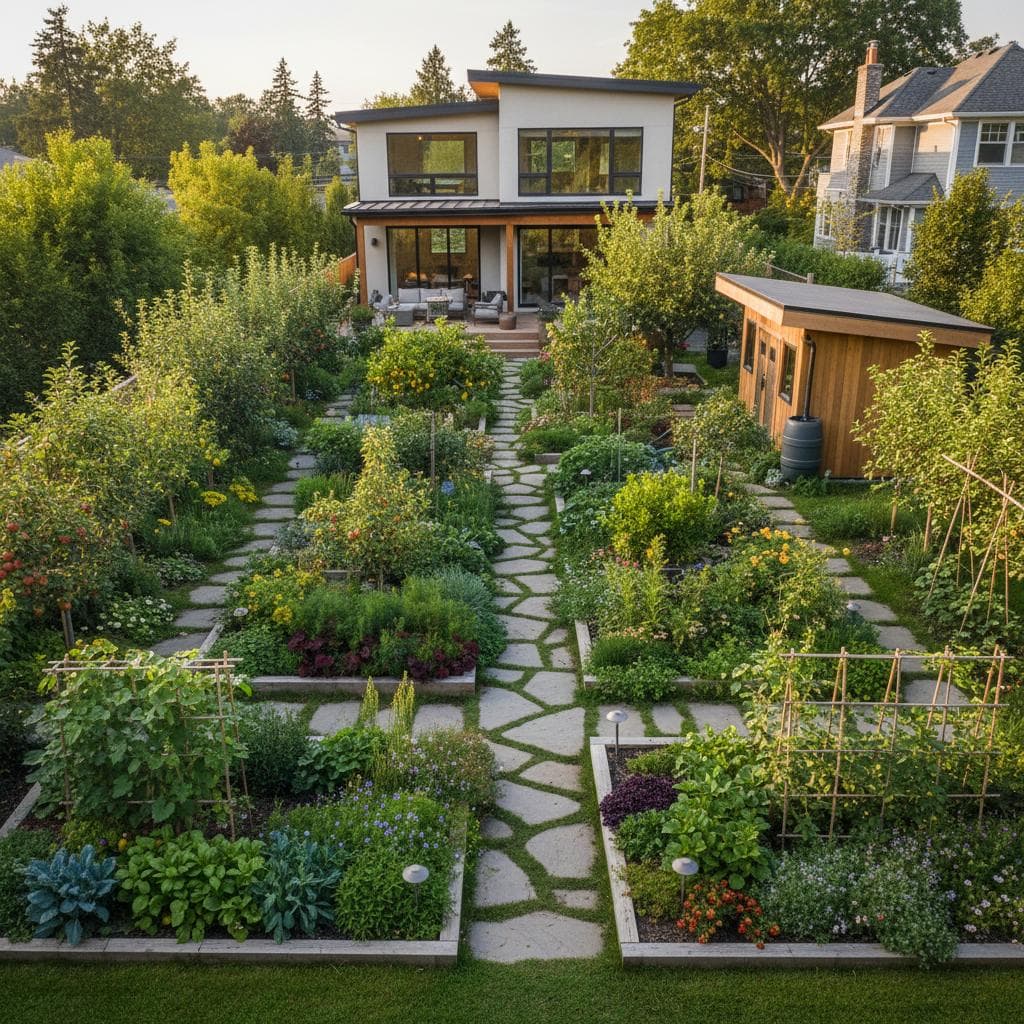
Edible Landscape Returns Reach 85 Percent with Food Forests
Homeowners who invest in edible landscaping observe returns increase by up to 85 percent. This growth stems from rising interest in food forests and eco-friendly designs. The approach blends visual appeal with practical benefits. It generates fruits, herbs, and vegetables while raising property values and reducing grocery bills. For many individuals, this represents a deliberate lifestyle shift and a sound economic strategy.
Greater emphasis on self-sufficiency drives the momentum behind converting decorative yards into functional ecosystems. Food forests form a core component of edible landscaping. They replicate natural woodland structures to deliver abundant harvests with minimal upkeep after the initial setup. These landscapes enhance soil quality, support pollinators, and provide clear financial advantages.
Understanding Edible Landscaping and Food Forests
Edible landscaping integrates food-producing plants into traditional landscape designs. Instead of limiting the yard to grass and ornamental shrubs, homeowners incorporate fruit trees, berry bushes, herbs, and edible flowers. The aesthetic appeal remains intact. Yet the space now produces nourishment and attracts diverse wildlife.
A food forest takes edible landscaping further with layered plantings that mimic forest ecosystems. Typical layers include:
- Canopy layer: Tall fruit or nut trees, such as apple, pear, or chestnut varieties.
- Sub-canopy layer: Smaller trees like dwarf citrus or hazelnut.
- Shrub layer: Berry producers including blueberry, currant, or elderberry.
- Herbaceous layer: Culinary and medicinal herbs, for instance mint, oregano, and comfrey.
- Groundcover layer: Spreading plants such as strawberries or creeping thyme.
- Root layer: Underground crops like garlic, onions, or carrots.
- Vine layer: Climbing plants including grapes, kiwi, or pole beans that use trees or trellises for support.
These layers improve soil health, promote pollination, and conserve water. Thoughtful planning turns a food forest into a self-sustaining system. It requires little irrigation and eliminates the need for chemical inputs.
Key Factors Influencing Returns in Edible Landscapes
Returns from an edible landscape depend on several key elements. Understanding these factors enables homeowners to plan effectively and avoid costly mistakes.
Plant Selection
Choosing plants adapted to the local climate and soil ensures reliable yields. Native or regionally suited varieties perform best with fewer inputs. Homeowners balance perennials, which form long-term structures, with annuals that provide quick results. This combination supports both short-term gains and sustained production.
Design and Installation Expenses
Setting up an edible landscape typically costs a few thousand dollars for small yards. Larger transformations may run into tens of thousands. Costs include soil amendments, plant sourcing, irrigation systems, and labor. Professional designs often recover expenses through higher yields and lower long-term maintenance.
Maintenance and Effort Reductions
Once established, food forests require far less work than lawns or ornamental gardens. Methods such as mulching, composting, and organic pest control reduce ongoing expenses. Homeowners shift time from mowing to harvesting produce.
Value of Food Output
A well-designed edible landscape produces hundreds of pounds of fresh food each year. The value of this harvest significantly cuts grocery spending. Over time, these savings contribute directly to strong investment returns.
Property Value and Marketability
Homes with edible landscapes attract buyers who value sustainability and low-maintenance features. Fruit-bearing trees and lush greenery enhance curb appeal. Real estate professionals note that edible elements increasingly serve as selling points.
Step-by-Step Food Forest Installation
Creating a food forest demands careful preparation and patience. Following a structured process ensures success through detailed planning and execution.
Site Assessment
A certified arborist or landscape designer begins by evaluating sunlight, soil type, drainage, and existing vegetation. This analysis identifies microclimates and water flow patterns. Such insights guide selections for plants that will thrive.
Design Planning
The designer maps zones for each layer, considering spacing, root depths, and shade patterns. Elements like pathways, seating areas, and water features add functionality and access. The layout ensures year-round visual interest and productivity.
Soil Preparation
Healthy soil forms the foundation of every successful food forest. Adding compost, organic matter, and sometimes biochar enriches the ground. For heavy clay or sandy soils, raised beds or swales improve drainage and water retention.
Planting
Planting proceeds from largest to smallest: trees and shrubs first, followed by understory and ground covers. Companion planting principles help deter pests and boost yields. For instance, placing garlic near fruit trees repels harmful insects.
Mulching and Water Management
Apply thick layers of mulch to regulate soil temperature, suppress weeds, and hold moisture. Install drip irrigation or rainwater collection for efficient watering.
Ongoing Care and Development
The first few years call for regular pruning, weeding, and watering. As the system matures, it becomes more self-regulating. Beneficial wildlife, including birds, bees, and insects, helps maintain balance.
DIY Versus Professional Assistance: Key Considerations
Some homeowners tackle edible landscapes independently. However, professional help prevents common errors with expert knowledge.
DIY Method
DIY projects fit small gardens or experimental plots. They save upfront costs but require thorough research and trial. Without proper planning, plant competition or nutrient deficiencies can reduce output.
Professional Services
Landscape designers and arborists bring in-depth ecological knowledge and hands-on experience. They assess sites, choose compatible plants, and create resilient systems. The higher initial investment leads to better efficiency and easier long-term care.
Combined Approach
Many blend approaches by hiring professionals for design and installation, then handling maintenance themselves. This balances cost with expert guidance.
Selecting a Competent Tree or Landscape Expert
Selecting the right professional ensures lasting results. Focus on those experienced in edible and permaculture designs rather than purely ornamental work.
Look for these qualifications:
- Certification in arboriculture or permaculture design
- Experience with native and edible plants
- References or portfolios of edible landscape projects
- Knowledge of soil health and sustainable irrigation
- Clear estimates and maintenance plans
Ask about specific plant suggestions, long-term care, and expected yields. A skilled expert explains how selections promote resilience and productivity.
Frequently Asked Questions on Edible Landscapes and Food Forests
How Soon Does a Food Forest Yield Produce?
Most food forests provide initial harvests in two to three years. Full production arrives after a few more seasons. Mature trees and shrubs deliver reliable crops for decades with minimal care.
What Is the Installation Cost for a Food Forest?
Costs vary by size, plant choices, and complexity. Simple backyard setups start in the thousands. More intricate designs cost substantially more. Professional input improves outcomes and long-term value.
Do Food Forests Draw Pests?
Balanced food forests encourage biodiversity that naturally controls pests. Diverse plantings, companion methods, and healthy soil create conditions where beneficial organisms outnumber problems. Chemical interventions rarely become necessary.
Can Edible Landscapes Supplant Lawns?
Yes, many homeowners replace turf with edible plantings or food forests. These options demand less water and fertilizer. They produce food, improve soil, and maintain aesthetic appeal with proper design.
Is a Permit Required for a Food Forest?
Home food forests usually do not require permits. Local regulations might apply to large trees or water systems. Check with authorities before major changes.
Are Food Forests Viable for Compact Yards?
Yes, small spaces support layered designs. Dwarf trees, vertical supports, and containers allow urban residents to enjoy edible benefits.
Do Edible Landscapes Elevate Property Worth?
Yes, they increase value through enhanced aesthetics and environmental perks. Buyers appreciate the blend of beauty, productivity, and low maintenance. Real estate agents highlight their draw for eco-conscious purchasers.
Building a Resilient, Productive Yard
Edible landscaping offers benefits that extend beyond fresh food. It raises property values, supports ecological balance, and lowers household costs.
Investing in a food forest creates a living system that nourishes your family, aids pollinators, and restores the soil year after year. Whether starting with a few fruit trees or redesigning the entire yard, each action fosters a stronger, more vibrant outdoor space.
Ready to transform your yard into a thriving edible oasis? Reach out to a trusted local tree and landscape professional today to design your food forest and secure ongoing abundance.