
Hemlock Woolly Adelgid Threatens Midwest Forests: Protect Your Trees Today
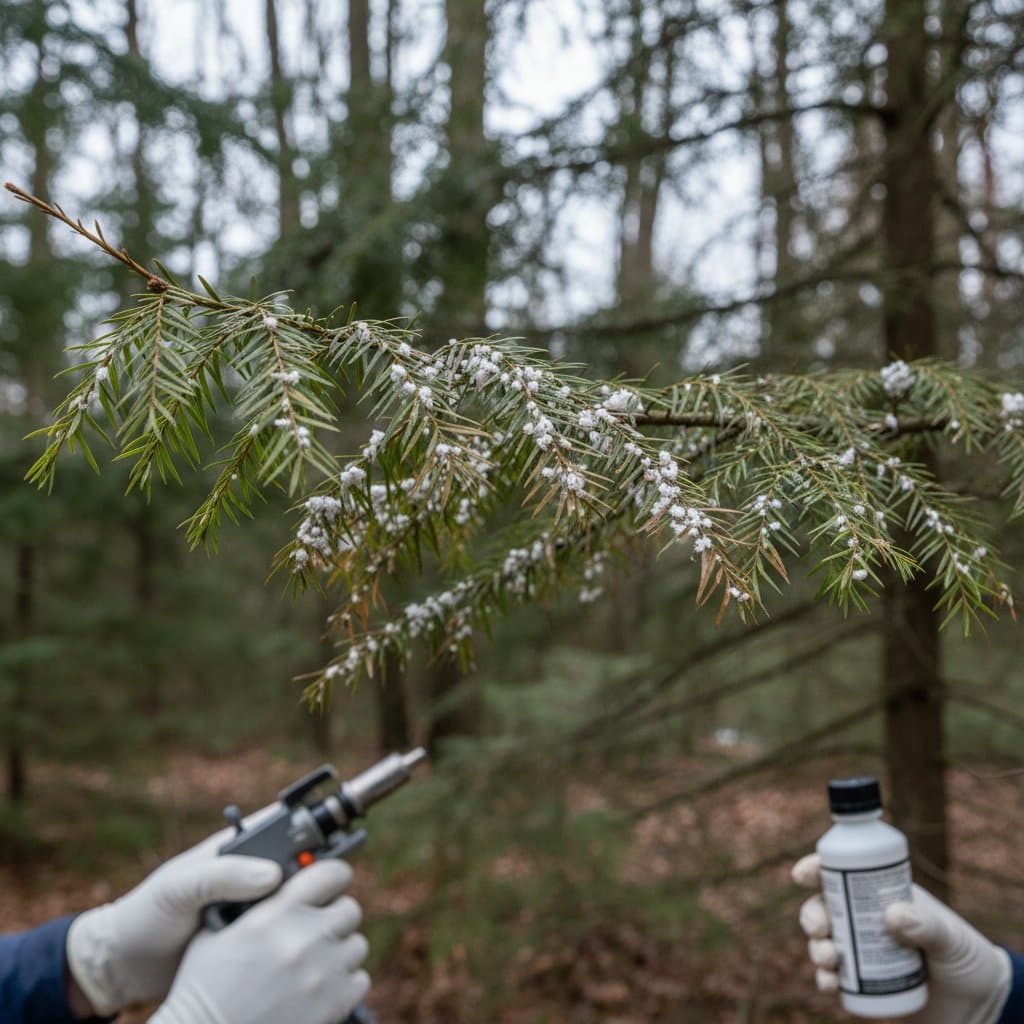
Forested areas and residential landscapes in the Midwest now confront an invasive pest known as the hemlock woolly adelgid. This minuscule insect rapidly infests hemlock trees, leading to their decline and potential death. Property owners who cherish these evergreens should respond promptly to safeguard their health. The following sections detail identification, treatment options, and associated costs to equip you with the knowledge needed for effective management.
Treatment Costs for Hemlock Woolly Adelgid
National Average Costs
Expenses for addressing a hemlock woolly adelgid infestation fluctuate based on factors such as the quantity of affected trees, their dimensions, and the selected intervention strategy. Chemical applications typically range from $100 to $300 per small tree for basic treatments, escalating to $500 or more for extensive operations on mature specimens. Professional evaluations and soil-based applications command higher fees, yet they deliver enduring safeguards against reinfestation.
Costs by Project Scope
- Single Tree Management: For an isolated mature hemlock, DIY options like sprays or soil drenches might total $50 to $150 in materials.
- Multiple Trees or Expansive Sites: Services for groups of trees often bill $200 to $400 per tree or calculate rates per acre for dense infestations.
- Preventive Measures: Proactive systemic insecticide use before symptoms emerge can cost $75 to $200 per tree, proving more economical than remedial efforts after significant harm occurs.
Primary Cost Influences
- Tree Dimensions and Quantity: Substantial, aged trees demand greater volumes of materials and extended labor time.
- Intervention Method: Variations exist among soil drenches, trunk injections, and foliar applications, with injections often being the priciest due to specialized tools.
- Infestation Severity: Advanced cases necessitate repeated applications, inflating overall expenses.
- Professional Involvement: Engaging certified arborists incurs fees for their diagnostic precision and application expertise.
- Geographic Position: Remote locations may incur additional charges for travel and on-site servicing.
Available Treatment Methods for Hemlock Woolly Adelgid
Soil Drench Applications
Soil drenches involve pouring systemic insecticides at the tree's base, where roots uptake the substance and distribute it via the vascular network to target sap-feeding adelgids.
Advantages:
- Offers protection lasting two to three years in many cases.
- Leaves little surface residue, minimizing impact on pollinators and other beneficial organisms.
Disadvantages:
- Delivers results more gradually than direct contact methods.
- Poses risks near aquatic environments or delicate plants due to potential leaching.
Trunk Injection Procedures
Trunk injections introduce insecticides straight into the tree's circulatory system via precisely drilled entry points.
Advantages:
- Achieves rapid pest mortality with controlled dosing.
- Limits exposure to surrounding ecosystems by containing the chemical within the tree.
Disadvantages:
- Demands specialized tools and training to avoid vascular damage.
- Involves minor wounding that, if mishandled, could stress the tree further.
Foliar Spray Techniques
Foliar sprays apply insecticides directly onto needles and twigs, eliminating exposed adelgids and their offspring on contact.
Advantages:
- Provides swift reduction in visible pest numbers.
- Suits initial outbreaks or smaller hemlocks effectively.
Disadvantages:
- Requires frequent reapplication, often every four to six weeks.
- May overlook concealed pests in the tree's inner canopy.
Biological Control Options
In certain areas, authorities introduce predatory insects, like specific lady beetles, to naturally suppress adelgid numbers.
Advantages:
- Promotes ecological balance without relying on chemicals.
- Supports reduced pesticide dependency over time.
Disadvantages:
- Takes seasons to build sufficient predator populations for control.
- Availability varies by locale and regulatory approvals.
DIY Approaches Versus Professional Services
For modest infestations on small trees, DIY methods prove viable using over-the-counter soil drenches or sprays from local suppliers. Success hinges on precise pest verification and adherence to dosage guidelines to prevent unintended damage to the tree or nearby flora.
Professional arborists offer critical benefits, including thorough infestation assessments, tailored method recommendations, and compliant applications. These specialists also track ongoing tree vitality, refining strategies to optimize outcomes and minimize risks.
Identifying and Addressing Hemlock Woolly Adelgid Infestations
1. Conduct Routine Examinations
Examine the undersides of hemlock branches, particularly at needle bases, for white, wool-like clusters resembling small cotton tufts. These structures shield the adelgids and signal active presence.
2. Verify the Presence
Press the woolly formations lightly between fingers; a smear revealing tiny reddish-brown bugs confirms the infestation.
3. Remove Affected Branches
For limited spread, sever and bag heavily infested twigs for secure disposal, curbing further dissemination.
4. Implement Selected Interventions
Choose methods aligned with tree scale and infestation level. Follow product labels meticulously for soil or spray applications; enlist a qualified arborist for injections.
5. Observe and Maintain Vigilance
Reevaluate trees quarterly. Renew treatments upon detecting fresh woolly growth to foster sustained recovery.
Strategies for Effective Management and Prevention
- Annual Inspections: Scout for early signs each spring and fall to intervene before widespread damage.
- Balanced Fertilization: Limit nitrogen inputs to avoid stimulating excessive sap production that draws pests.
- Tree Vitality Support: Provide supplemental watering in droughts and apply mulch to bolster resilience.
- Tool Sanitization: Clean pruning implements with a disinfectant solution between uses to halt pest transfer.
- Diverse Planting Choices: Incorporate non-host evergreens in designs to mitigate risks from hemlock-specific threats.
Frequently Asked Questions
What exactly is the hemlock woolly adelgid?
This pest consists of a diminutive, sap-extracting insect that targets hemlock species, encasing its eggs and young in white, woolen protections.
In what manner does it destroy hemlock trees?
Adelgids extract fluids from needle bases, impairing nutrient transport. Progressive needle loss and structural weakening lead to mortality without intervention.
Does the hemlock woolly adelgid affect trees beyond hemlocks?
The insect specializes in hemlocks; species like pines and spruces remain unaffected.
What timing optimizes treatment efficacy?
Apply interventions during active feeding periods. Soil methods suit temperate conditions, whereas sprays perform best in spring or autumn.
Do insecticides pose risks to pets and wildlife?
Absorbed systemics generally prove safe post-application. Adhere to guidelines to prevent contamination of water bodies.
How durable is the protection from treatments?
Effects span one to three years based on the formulation. Periodic checks guide reapplication schedules.
Safeguarding Hemlocks for Lasting Landscape Health
Hemlocks contribute aesthetic appeal, cooling shade, and biodiversity to Midwest properties. Swift measures against woolly adelgid infestations maintain these assets and avert broader ecological impacts. Consult a certified arborist experienced in invasive pests for personalized assessments and support.