
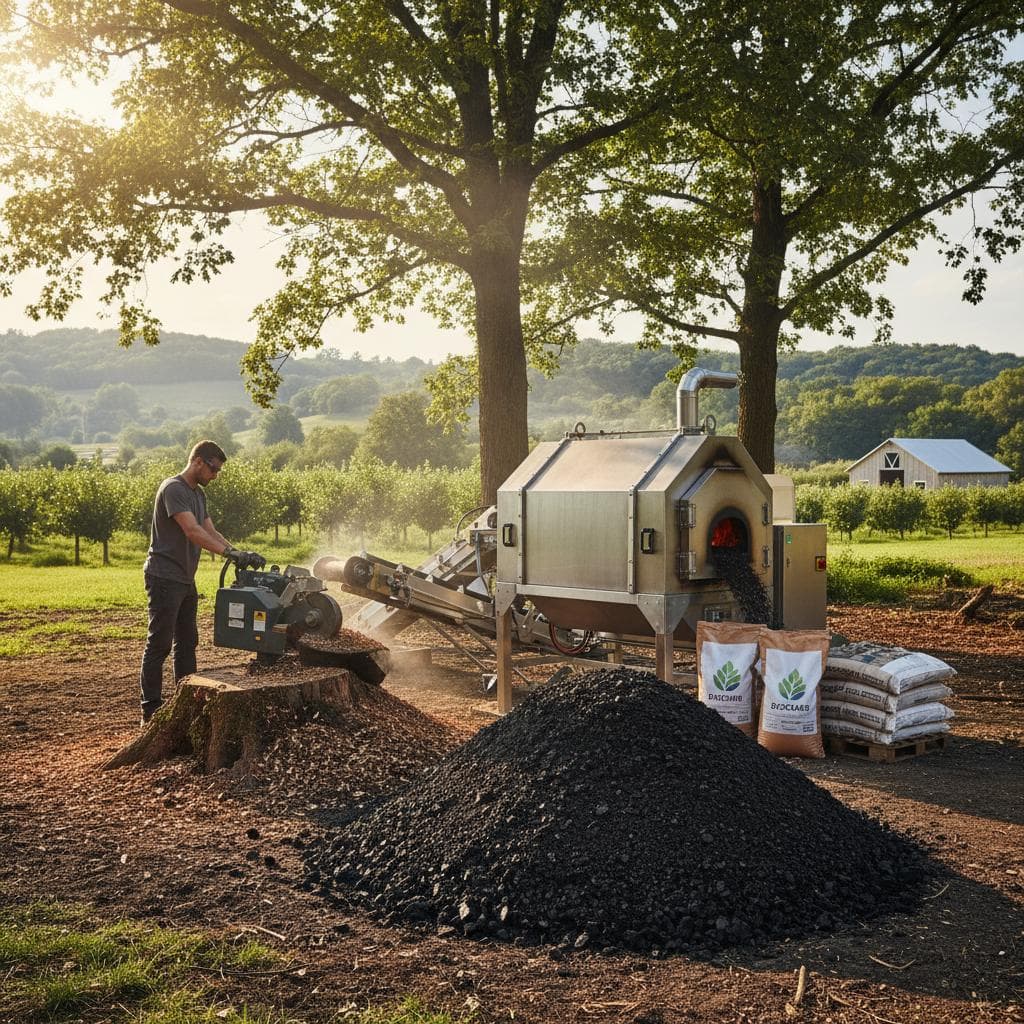
Understanding Biochar and Its Value
Biochar is a charcoal-like materialorganic matter, such as wood, in a low-oxygen environment. This process, known as pyrolysis, creates a stable product that improves soil fertility and sequesters carbon. Tree stumps, often discarded after removal, serve as an ideal raw material for small-scale biochar production.
Homeowners and small operators find biochar appealing because it addresses waste disposal challenges while generating revenue. The material enhances soil structure, retains water, and reduces the need for synthetic fertilizers. With rising demand for eco-friendly soil amendments, producers can sell biochar to gardeners, farmers, and landscapers at competitive prices.
Producing biochar from stumps not only diverts waste from landfills but also contributes to carbon-negative practices. Each batch locks away carbon that would otherwise release into the atmosphere through decomposition. This dual benefit of environmental impact and profitability makes biochar production a practical venture.
Sourcing and Preparing Stump Material
Begin by securing a steady supply of stumps from local tree services or landscaping companies. Partner with arborists who generate stump waste regularly; offer to handle removal in exchange for the material. Ensure stumps are free from contaminants like chemicals or metals to maintain product quality.
Preparation involves cutting stumps into manageable pieces, ideally 6 to 12 inches in diameter, using a chainsaw or stump grinder. Remove dirt and roots to focus on the densest wood portions, which yield higher-quality char. Hardwoods like oak or maple produce superior biochar compared to softwoods due to their higher carbon content.
Store prepared wood in a dry area to prevent moisture buildup, which can affect the pyrolysis process. Aim for pieces that fit your production equipment; smaller chunks burn more evenly and increase efficiency. This step minimizes processing time and maximizes the usable yield from each stump.
Essential Equipment and Setup for Production
Small-scale biochar production requires minimal investment, starting with basic tools like a metal drum or cone kiln. A 55-gallon steel drum modified with vents costs around $50 and suits beginners. For larger batches, invest in a purpose-built cone kiln, priced at $200 to $500, which allows better temperature control.
Set up your production site in an open, well-ventilated area away from structures and vegetation to comply with fire safety regulations. Include safety gear such as gloves, goggles, and a fire extinguisher. Dig a shallow pit if using the traditional method, lining it with sand to contain embers.
The pyrolysis process involves stacking wood in the kiln or pit, igniting it, and limiting oxygen to smolder rather than fully burn. Monitor temperature, aiming for 400 to 700 degrees Celsius, to produce optimal char without ash. Initial setups yield 20 to 30 percent biochar by volume from the original wood mass.
Step-by-Step Production Process
- Load the kiln or pit with prepared stump pieces, leaving space for airflow.
- Ignite the top layer with kindling and allow flames to establish.
- Reduce oxygen by covering with a lid or soil, transitioning to pyrolysis; this phase lasts 1 to 3 hours.
- Quench the char with water or soil once glowing subsides to halt the process and cool the material.
- Crush cooled biochar into small granules using a hammer or grinder for easier soil incorporation.
Test different wood types and burn durations to optimize results. For instance, denser stumps require longer pyrolysis times for complete carbonization. Document each run to refine techniques and improve consistency.
Safety remains paramount; always supervise the process and follow local fire permits. Proper quenching prevents reignition, and wearing protective clothing guards against burns.
Calculating Costs and Profit Potential
Startup costs include equipment ($100 to $600), fuel for ignition (minimal, around $10 per batch), and safety items ($50). Ongoing expenses cover labor time (2 to 4 hours per batch) and occasional maintenance. For a medium stump yielding 1 to 2 cubic feet, production costs total $20 to $50.
Market prices for biochar range from $1 to $3 per pound, depending on quality and enrichment. A 50-pound batch sells for $50 to $150, but enriched versions fetch up to $5 per pound. With efficient operations, net profits reach $300 to $500 per batch after costs.
Scale production by processing multiple stumps weekly; a backyard setup handles 5 to 10 batches monthly. Track inputs like wood volume and output weight to calculate margins accurately. Adjust pricing based on local demand and competition to ensure viability.
Enhancing and Marketing Your Biochar
Enrich biochar with compost or worm castings to create a premium soil amendment that sells for higher prices. This addition boosts nutrient content and appeals to organic gardeners. Mix at a 1:1 ratio and package in breathable bags for retail.
Target local buyers such as garden centers, farmers, and landscapers who pay premium prices for locally produced biochar. Attend farmers markets or join online community groups to connect with customers. Emphasize the product's role in sustainable agriculture to attract eco-conscious purchasers.
Highlight the carbon-negative benefits of biochar in your marketing. Explain how it sequesters carbon for centuries, reducing greenhouse gases. Use simple labels and stories about waste-to-wealth transformation to build trust and demand.
Test small batches by experimenting with burn times and wood types to refine product quality. This iterative approach ensures consistent results and customer satisfaction. Maintain detailed records of fuel, time, and yield to calculate profit margins accurately.
Frequently Asked Questions
How much biochar can I make from one stump?
A single medium stump roughly 18 inches in diameter produces about 1 to 2 cubic feet of biochar, depending on the burn method and wood density. Hardwood stumps yield more usable char than softwoods.
Can I sell biochar legally from home?
Yes, in most areas small-scale biochar production for local sale is permitted. Check local zoning and environmental guidelines to ensure compliance with open burn or air quality rules.
What makes biochar carbon-negative?
Biochar locks carbon from wood into a stable form that resists decay. Instead of releasing carbon dioxide through natural decomposition, the carbon remains trapped in the soil for decades, making it a carbon-negative product.
Does biochar improve garden soil?
Yes, biochar increases soil aeration, helps retain moisture, and supports beneficial microbes. When mixed with compost or fertilizer, it enhances nutrient availability and reduces the need for chemical additives.
How long does it take to make a batch?
A small batch using a cone kiln or pit method takes about 2 to 4 hours from ignition to cooling. Larger kilns with controlled air flow produce bigger batches in similar timeframes with consistent results.
Building a Sustainable Operation
Turning stump waste into biochar merges environmental stewardship with economic gain. Reclaim materials that would otherwise decompose or require disposal, generating income while enriching local soils. Start with a backyard kiln to test the waters, then expand to supply community needs.
Collaborate with local arborists or landscapers for reliable stump sources. Sell enriched biochar to gardeners for a steady revenue stream. Each batch advances carbon reduction goals and demonstrates practical sustainability in action.