
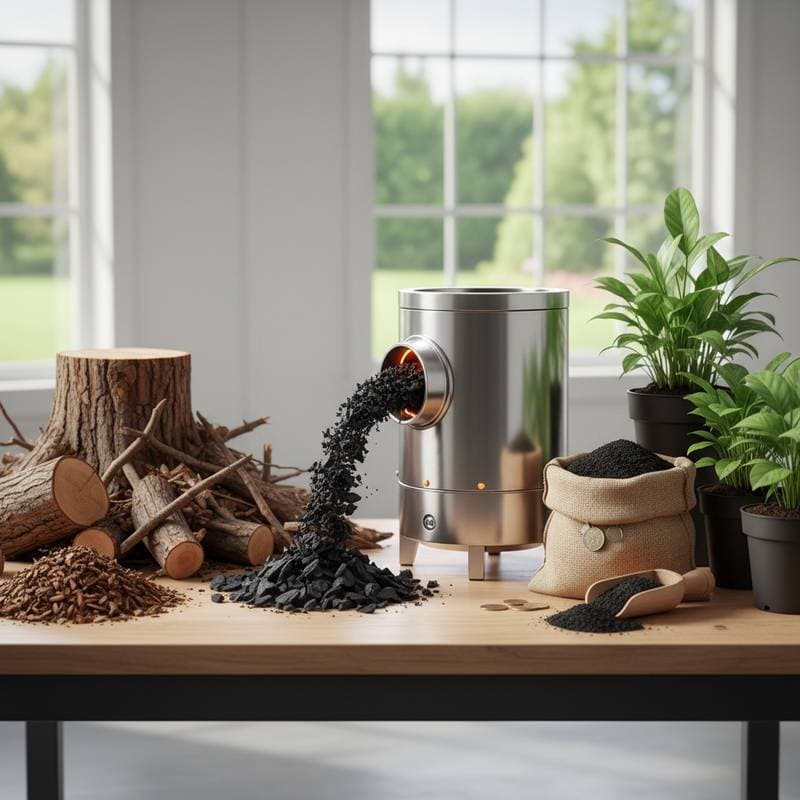
From Stumps to Biochar: Profiting from Yard Waste
Homeowners often face the challenge of managing yard waste through raking, hauling, and disposal fees. Tree stumps, branches, and leaf piles typically represent burdens rather than opportunities. However, converting this organic material into biochar shifts the perspective, turning potential costs into sustainable gains. This guide details the transformation of stumps and debris into biochar, outlines the involved processes, and highlights benefits for homeowners pursuing eco-friendly practices.
What is Biochar?
Biochar consists of charcoalorganic materials like wood or plant waste in a low-oxygen setting. Known as pyrolysis, this method stabilizes carbon in a form that persists in soil for centuries. Designed for agricultural or environmental applications rather than fuel, biochar surpasses regular charcoal in utility. It boosts soil fertility, improves water retention, and mitigates greenhouse gas emissions. Through biochar production, waste becomes a premium product that advances sustainability and soil vitality.
Average Costs of Turning Yard Waste into Biochar
Costs for converting stumps and yard debris into biochar depend on the chosen method and material volume. Home-based production remains economical with basic tools, whereas larger operations demand sophisticated equipment.
| Material or Service | Average Cost Range |
|---|---|
| Small branch or limb debris | $30 - $60 per cubic yard |
| Stump grinding before conversion | $75 - $200 per stump |
| DIY biochar kiln setup | $100 - $500 one-time |
| Professional biochar production service | $150 - $400 per ton |
| Selling finished biochar | $400 - $900 per ton (market value) |
These figures illustrate how initial expenses can yield returns, particularly when repurposing waste that incurs disposal charges.
Factors Affecting the Cost and Profitability of Biochar Production
Tree Size and Type
Larger trees yield greater biomass volumes, increasing biochar output potential. Hardwoods such as oak and maple generate denser, superior biochar relative to softwoods like pine. Processing large stumps demands additional time and equipment, elevating initial expenses.
Condition of the Material
Dry, clean wood yields superior biochar compared to moist or diseased variants. Moisture levels influence pyrolysis efficiency. Excess water necessitates extended drying or added energy input, which diminishes overall profitability.
Equipment and Method Used
Options range from basic pit setups to barrel kilns or compact retort systems for homeowners. Startup costs and output quality vary by choice. A durable retort kiln delivers reliable results and premium biochar, though it involves higher upfront investment.
Location and Accessibility
Moving heavy stumps or branches incurs transport fees. On-site processing eliminates these costs. Local rules may dictate production sites and techniques, particularly in residential settings.
Time of Year
Production thrives in dry periods when wood and soil moisture levels drop. Such conditions enhance combustion efficiency and minimize smoke or incomplete carbonization risks.
Intended Use or Sale
Applying biochar in personal gardens offsets fertilizer and conditioner purchases. Commercial sales hinge on factors like particle uniformity, purity, and packaging. Tailored blends for agriculture or horticulture fetch premium prices.
The Biochar Production Process
Converting stumps and yard waste into biochar requires distinct steps. Grasping these enables homeowners to select between personal projects or expert support.
-
Collection and Sorting
Assemble branches, stumps, and woody debris. Exclude contaminants such as nails or chemically treated wood, which might release toxins during heating. -
Preparation of Material
Section large stumps into manageable pieces or grind them. Uniform sizing promotes even heating. Allow wood to dry for several weeks to optimize results. -
Setup of the Kiln or Pit
Select a drum kiln or excavate a pit in a ventilated, open space. Pack wood densely while ensuring air circulation paths. -
Pyrolysis (Heating Process)
Ignite the upper layer to propagate heat downward. Restrict oxygen to avoid complete burning. Aim to char the wood without full incineration. -
Cooling and Quenching
When smoke shifts to clear or blue hues, seal the pile against oxygen. Permit gradual cooling. Quench with water or soil to halt the reaction and secure the biochar. -
Crushing and Screening
Fragment cooled biochar into consistent granules. Sieve to remove ash or fine particles. This prepares the product for soil integration or sale packaging. -
Charging the Biochar
Blend biochar with compost or nutrient solutions prior to application. This activation enhances its capacity to hold nutrients in soil.
DIY vs. Hiring a Professional Biochar Service
Homeowners may produce biochar independently or engage recycling or tree service firms.
| Approach | When It Makes Sense | Key Considerations |
|---|---|---|
| DIY Biochar Production | Suited to small lots with moderate waste amounts; fits those adept at fire safety and outdoor tasks. | Offers minimal expense and material oversight, yet demands time, diligence, and safety protocols. |
| Professional Biochar Service | Optimal for substantial stumps, high waste volumes, or limited equipment/space. | Ensures superior efficiency, uniform quality, and regulatory adherence; includes grinding, hauling, and site restoration. |
DIY efforts appeal to enthusiasts of green initiatives, while professionals provide streamlined solutions for demanding scenarios.
How to Hire a Biochar or Tree Recycling Service
Selecting an appropriate provider guarantees safety, compliance, and financial viability. Follow these steps to assess candidates.
-
Check Licensing and Insurance
Verify credentials for waste handling and tree services. Coverage shields against on-site liabilities. -
Ask About Their Process
Inquire into wood-to-biochar conversion techniques. Established firms employ emission-controlled pyrolysis setups. -
Get Multiple Estimates
Solicit quotes covering removal, processing, and conversion. Bulk deals often lower per-unit rates. -
Confirm End Use or Buyback Options
Seek services that acquire or offset costs with produced biochar, enabling straightforward revenue. -
Review Environmental Practices
Prioritize operations aligned with sustainable protocols and air quality norms. -
Request References or Reviews
Examine client testimonials. Credible providers disclose outcomes and safety commitments openly.
Frequently Asked Questions
How much biochar can I get from one tree stump?
A typical 24-inch diameter stump produces approximately 10 to 20 pounds of biochar, varying by moisture and wood type. Hardwoods yield compact, carbon-rich results.
Is it cheaper to make biochar or buy it?
Producing biochar from personal yard waste proves more economical with existing tools and space. Purchasing ready-made biochar offers ease but at a steeper per-pound price.
Can diseased or dead trees be turned into biochar?
Affirmative, provided no chemical treatments or pollutants taint the wood. Pyrolysis temperatures eradicate most pathogens and insects, rendering the output safe.
What time of year is best for biochar production?
Arid seasons excel due to reduced moisture, which streamlines efficiency and curbs smoke. Steer clear of rainy or gusty weather that disrupts heat management.
Does homeowners insurance cover stump removal for biochar production?
Coverage applies mainly to storm-felled trees under policy terms. Standard maintenance or recycling activities fall outside typical protections; review specifics.
How do I use biochar once it is made?
Incorporate into soil or compost at 10 to 20 percent volume. It fortifies structure, fosters microbes, and sustains nutrient and water levels.
Can biochar replace fertilizer?
Biochar serves as a soil amendment rather than fertilizer. It captures nutrients and amplifies fertilizer efficacy, potentially lowering long-term requirements.
Is making biochar safe for residential areas?
Yes, with adherence to fire codes and controlled scales. Maintain water sources and gear nearby, and supervise kilns continuously.
Unlocking Value from Yard Debris
Converting stumps and yard waste into biochar offers a viable path to handle otherwise expensive refuse. This method cuts waste, enriches soil, and opens income streams via sales to nearby growers or operations. Proper planning and safety emphasis yield personal and ecological advantages.
Opt for self-production or expert aid based on scale and skills. View yard waste as an asset through informed recycling. This strategy fosters tidier landscapes, planetary health, and enduring sustainability in everyday settings.