
Pollinator Garden Design: How Bee-Friendly Yards Redefine Value
A neatly clipped lawn can look polished, but it may offer little food or shelter for bees, butterflies, and other wildlife. Pollinator garden design turns outdoor space into a more useful, colorful landscape while supporting local ecosystems and making a yard easier to care for. Here is how to plan a bee-friendly garden, choose suitable plants, manage trees and shrubs, and understand the benefits for your home.
What Is Pollinator Garden Design?
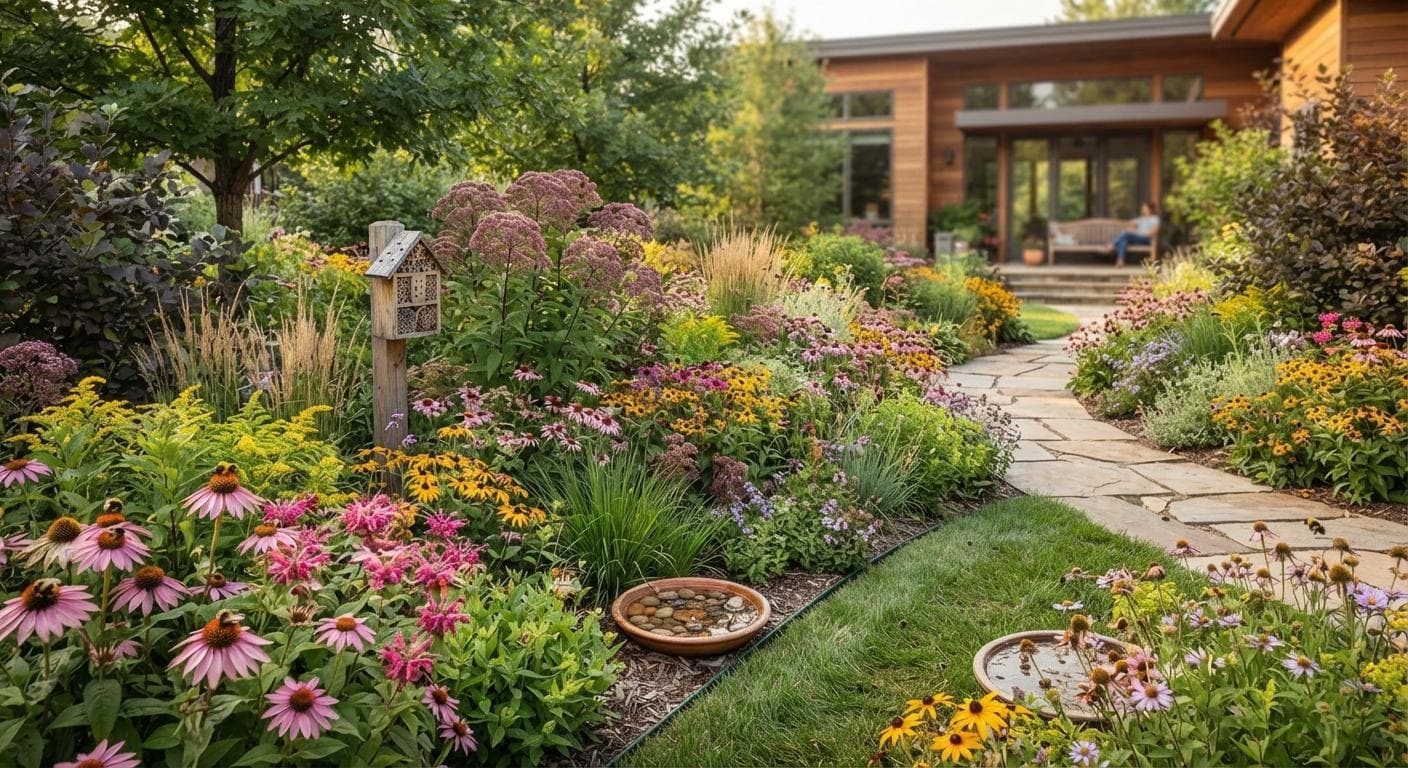
Pollinator garden design is the planned use of flowers, trees, shrubs, and habitat features that provide food and shelter for pollinating insects and birds. A successful design includes a variety of native plants that bloom in sequence, avoids unnecessary pesticide use, and provides water and nesting areas. It can fit a small patio, a suburban yard, or a large landscape.
Why Bee-Friendly Landscaping Adds Value
A pollinator-friendly yard can improve the experience of living at home by adding seasonal color, privacy, shade, and habitat. Layered plantings can soften boundaries, screen views, and make outdoor areas feel more inviting. Trees and shrubs can also provide shade and help manage rainwater when placed and maintained appropriately.
Value does not come from adding flowers alone. A well-planned garden can reduce reliance on thirsty turf and routine mowing, while a mix of plants supports wildlife throughout the growing season. The strongest designs still suit the household: they preserve clear walkways, maintain sightlines near driveways, and leave practical space for play, pets, and outdoor work.
Pollinator landscaping is not a guarantee of a higher sale price. Buyers have different preferences, and local climate, upkeep, and design quality all matter. A tidy, intentional garden is more likely to appeal broadly than a neglected patch of weeds. Clear edges, healthy plants, and a simple care plan help communicate that the yard is designed, not abandoned.
How to Plan a Pollinator Garden
Begin with the conditions you have rather than selecting plants from a generic list. Observe how much sun each area receives, where water collects, and which places stay dry. Check your soil and note existing trees, structures, utility lines, and views that should remain open.
Choose Plants That Fit Your Region
Native plants are adapted to local conditions and often provide familiar food sources for native pollinators. Ask a local native plant nursery, cooperative extension office, or qualified landscape professional for species suited to your soil and climate. A regional plant list is more dependable than a national recommendation because a plant that thrives in one area may struggle elsewhere.
Combine flowering plants with different shapes and bloom periods. Bees visit many flower types, while butterflies may prefer broad, flat blooms. Include plants that flower in spring, summer, and fall so food remains available across the growing season.
Build in Layers
A balanced design can include canopy trees, smaller understory trees, shrubs, perennials, and ground covers. Native trees such as oak and maple can offer habitat and seasonal resources, while flowering shrubs and perennials bring blooms closer to patios and walkways. Keep mature plant size in mind. A small sapling can become a large tree that shades a garden or approaches a roof.
Place taller plants toward the back of a bed or along a property edge, with shorter plants near paths. This arrangement makes maintenance easier and keeps flowers visible. Leave enough room around tree trunks for root growth and avoid piling soil or mulch against the trunk.
Provide Shelter and Water
Pollinators need more than nectar. Some native bees nest in bare, well-drained soil, while others use hollow stems or natural cavities. Keep a small patch of undisturbed ground in a quiet location, and leave some sturdy stems standing through winter if they are not a safety concern.
A shallow water source with stones or landing spots can help insects drink safely. Refresh it regularly to keep the water clean. Fallen leaves can shelter beneficial insects, so consider leaving them beneath shrubs or in garden beds rather than clearing every corner.
Trees, Shade, and Garden Health
Trees are a major part of sustainable yard design, but their placement and condition deserve careful attention. A healthy tree can provide shade and habitat; a damaged or poorly placed tree can create hazards or compete with garden plants for light and water. Before adding a tree, check its mature height and spread, root needs, and distance from buildings, overhead wires, and paved areas.
Avoid heavy pruning that removes too much of the canopy. If a tree needs shaping, an arborist can recommend careful pruning, such as crown thinning, which selectively removes branches to improve light and air movement. For a declining, storm-damaged, or potentially hazardous tree, ask a qualified tree-care professional to assess it before doing work yourself.
A Practical Garden Design Process
- Map the yard. Mark sunny and shaded spots, drainage issues, paths, seating areas, trees, and views that need screening.
- Set priorities. Decide whether you want more pollinator habitat, lower mowing needs, shade, privacy, or a combination of goals.
- Choose a manageable area. Start with a border, island bed, or planting strip instead of converting the entire lawn at once.
- Select regional plants. Use a mix of native trees, shrubs, grasses, and flowering perennials suited to each location.
- Prepare the site. Remove invasive plants and turf carefully, then improve soil only when recommended for the species you plan to grow.
- Plant and mulch thoughtfully. Follow spacing guidance, water new plants as needed, and keep mulch away from tree trunks.
- Maintain with care. Remove invasive growth, watch for pests, and limit pesticide use. When treatment is necessary, ask a licensed professional about options that reduce exposure to pollinators.
DIY Planning vs. Hiring a Landscape Professional
DIY may work well when you are planting a small bed with clear sunlight and soil conditions. You can identify suitable native plants from a trusted local source. No major grading, irrigation changes, or tree work is needed. You have time to water and weed while plants establish.
Consider professional help when you need a full yard plan, drainage work, or extensive lawn conversion. Mature trees, roots, slopes, or utility lines complicate planting. You are unsure whether a tree is healthy or safe. You want to coordinate landscaping with tree trimming, removal, or stump grinding.
A landscape designer can help organize plant layers and circulation. An arborist focuses on tree health and structure. For larger projects, request a written scope that identifies plants, site preparation, maintenance expectations, and any work excluded from the price.
How to Make the Garden Work for Your Household
A pollinator garden should support daily use as well as wildlife. Keep plants with thorns or dense growth away from narrow walkways, gates, and play areas. Use sturdy edging to define beds, and choose plants that suit your comfort level for watering and pruning. If you have pets or children, confirm that selected plants are appropriate for the space.
Plan for maintenance before planting. A diverse garden still needs occasional weeding, watering during establishment, and seasonal cleanup. Grouping plants with similar water needs can make care simpler. If you prefer a more formal look, repeat a few plant species in blocks and maintain a clear lawn edge.
Talk with neighbors if your plan changes a shared boundary or affects views. Check local ordinances and any homeowners association rules before removing trees, changing drainage, or installing structures. These steps can prevent avoidable disputes and help ensure the design is practical.
Frequently Asked Questions
Do pollinator gardens attract bees close to the house?
Flowering plants can attract bees, but thoughtful placement helps manage where activity gathers. Put large flower beds away from busy doorways, play areas, and narrow paths, and keep entrances clear. Most bees forage on flowers and do not seek conflict with people.
Which plants are best for a bee-friendly yard?
The best choices depend on your region, soil, and sun exposure. Start with locally native flowers, shrubs, and trees that provide blooms across multiple seasons. A local nursery or extension service can recommend species that suit your specific conditions.
Does a pollinator garden require more maintenance than a lawn?
It depends on the design and how the garden is established. A new planting may need regular watering and weeding, while mature native plants can require less mowing and irrigation than a large lawn. Plan for occasional pruning, invasive plant removal, and seasonal care.
Should I remove a tree to create more space for flowers?
Not necessarily. Many pollinator-friendly designs benefit from trees, and some species provide valuable habitat. Ask an arborist to assess the tree and consider understory plants that tolerate shade before deciding on removal. If the tree is hazardous or unsuitable for the site, get a professional evaluation and check local rules.
Are pesticides safe to use in a pollinator garden?
Some products can harm pollinators, especially when applied to open flowers or when bees are active. Prevent problems first with suitable plant selection and careful monitoring. If treatment is needed, follow the product label and consult a licensed professional about methods and timing that reduce exposure.
Getting Started With Your First Pollinator Bed
Start with one sunny bed, a useful shade tree, or a strip of lawn that is difficult to maintain. Choose plants suited to your region, preserve healthy trees, and make room for water and shelter. A thoughtful plan can create a more attractive, practical yard while giving pollinators dependable places to feed and nest.